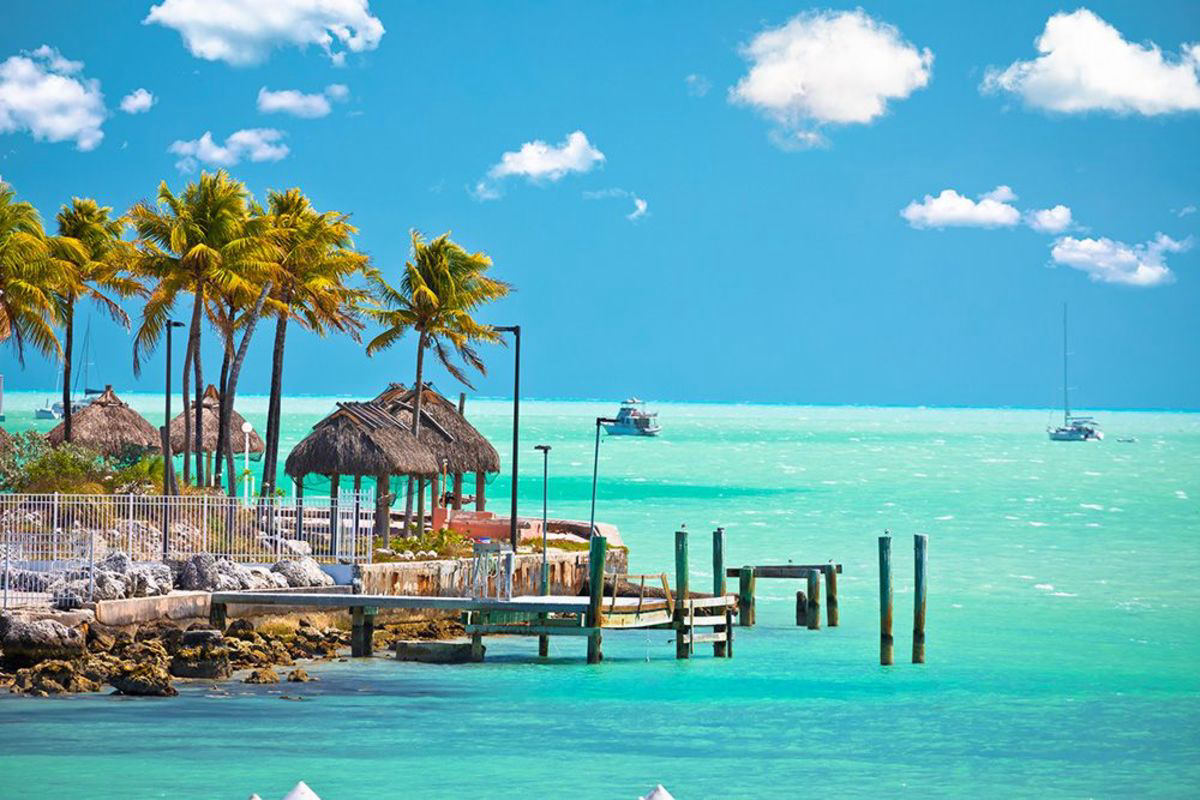
Marathon, a 10-mile community spread across 13 islands in the middle of the Florida Keys, offers a convenient base for visitors who want beach time, snorkeling and Keys history in one stop. It sits about an hour from both Key Largo and Key West, along the Overseas Highway.
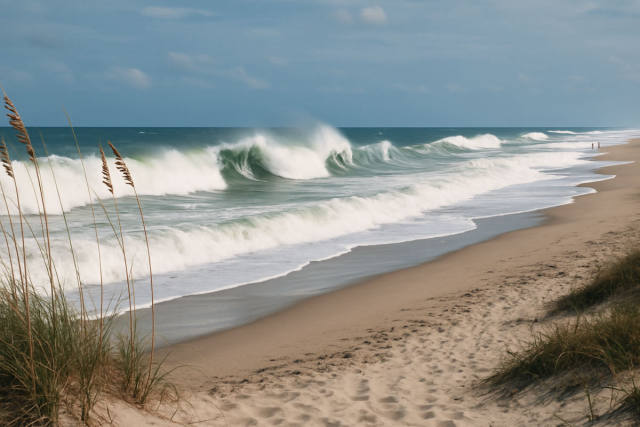
For a beach day, Sombrero Beach is a public, handicap-accessible option with picnic pavilions, volleyball courts, restrooms and showers. It is open daily from 7 a.m. to dusk. The beach is also a loggerhead nesting area and a turtle-release location used by the Turtle Hospital.
The Turtle Hospital offers 90-minute tours that cover sea-turtle care and rehabilitation, include a behind-the-scenes look at the facility and end with an opportunity to feed its permanent residents.
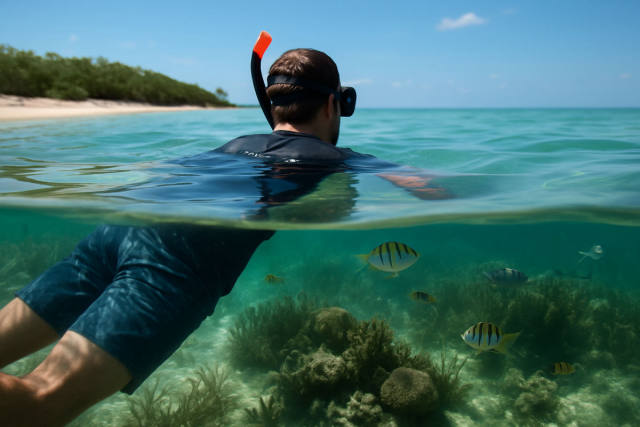
Water activities are a major draw in the Keys, home to the country’s only living coral barrier reef. The reef is about five miles offshore from Marathon, and local operators including Marathon Mermaid, Snorkel King LLC and Spirit Snorkeling at Captain Pip’s offer half- and full-day snorkeling trips.
Visitors can also walk or bike a 2.2-mile section of the Old Seven Mile Bridge, which reopened in 2022 and leads to Pigeon Key. The former railroad bridge was completed in 1912 and was replaced by a modern crossing in 1982. On Pigeon Key, visitors can take guided tours, visit the museum and watch daily feedings in the community’s saltwater pool. Island admission is listed at $15 for walkers or bicyclists and $28 for trolley riders.
Other nature-centered stops include Crane Point Museum, Nature Center, and Historic Site, a 64-acre property with trails, botanical gardens, a wild bird center and marine touch tank. Curry Hammock State Park, described as the largest undeveloped parcel between Key Largo and Big Pine Key, offers paddling, camping, fishing, swimming, wildlife viewing and a 1.5-mile nature trail.
For hands-on marine experiences, Aquarium Encounters is open daily from 9 a.m. to 5 p.m. and offers encounters ranging from feeding reef fish to interacting with stingrays and diving in coral reef species tanks.