The Villages District Office is reminding residents and visitors not to feed wildlife, warning that a practice that may seem harmless can alter animal behavior and create problems in neighborhoods.
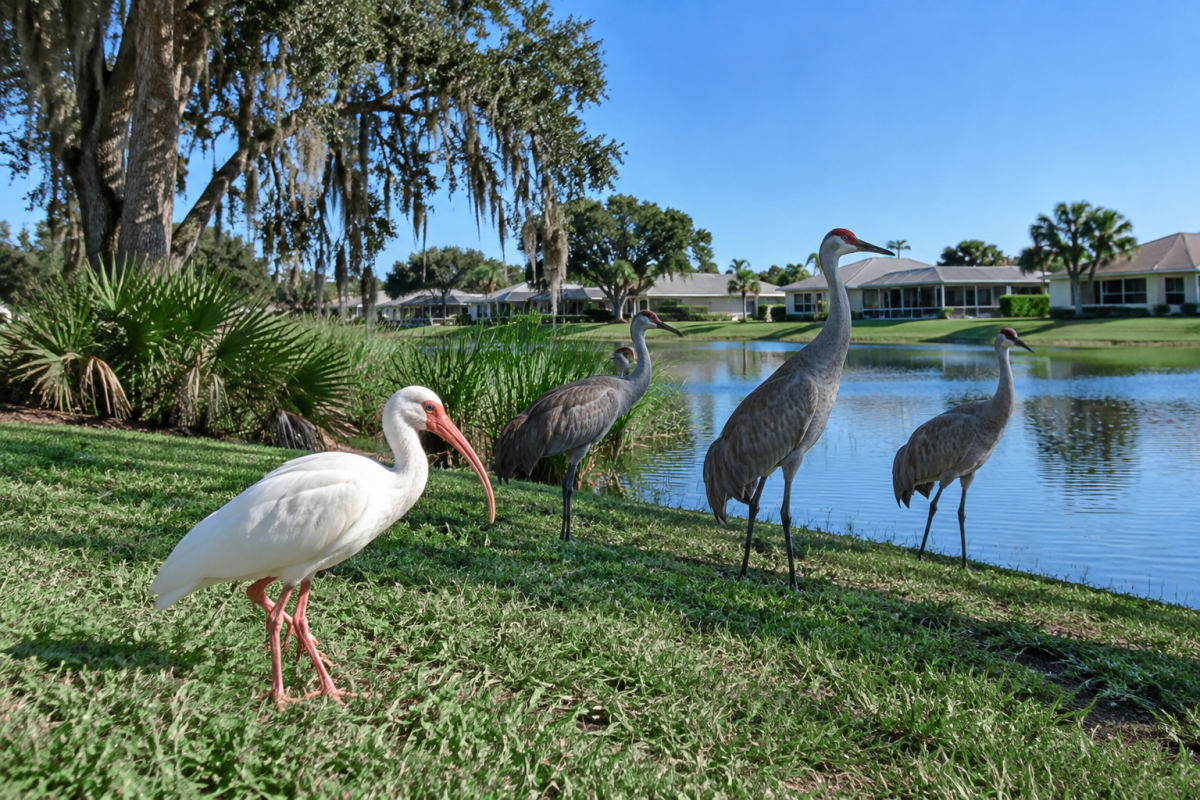
Florida’s varied landscapes support many kinds of wildlife, but urban development has changed natural habitats and brought animals closer to homes and businesses, according to the district office.
When wildlife is fed by people, animals can lose natural foraging behaviors, gather in larger numbers and become overly accustomed to human presence. Officials said those changes can affect public safety and ecosystem health.
The office also cited poor nutrition and dietary imbalances, overpopulation, disrupted or delayed migration, nuisance complaints and property damage among the potential consequences. Food left for wildlife can attract predators into residential areas, while animals that become dependent on people may display increased aggression toward people and pets.
Residents and visitors are encouraged to observe wildlife from a safe distance and follow Florida Statute 379.412, which regulates feeding certain wildlife species. The district’s message: protecting wildlife means allowing it to keep its natural behaviors.