If you're planning more than a handful of beach days along the Pinellas County coast, there's a quiet little purchase that could easily pay for itself before you've finished your second tube of sunscreen: the Pinellas County Annual Beach Parking Pass. It doesn't get nearly enough attention in travel circles, but for repeat visitors to Fort De Soto, Sand Key, and Fred Howard Park, it's one of the smartest $75 you can spend before hitting the Gulf.
What the Pass Covers
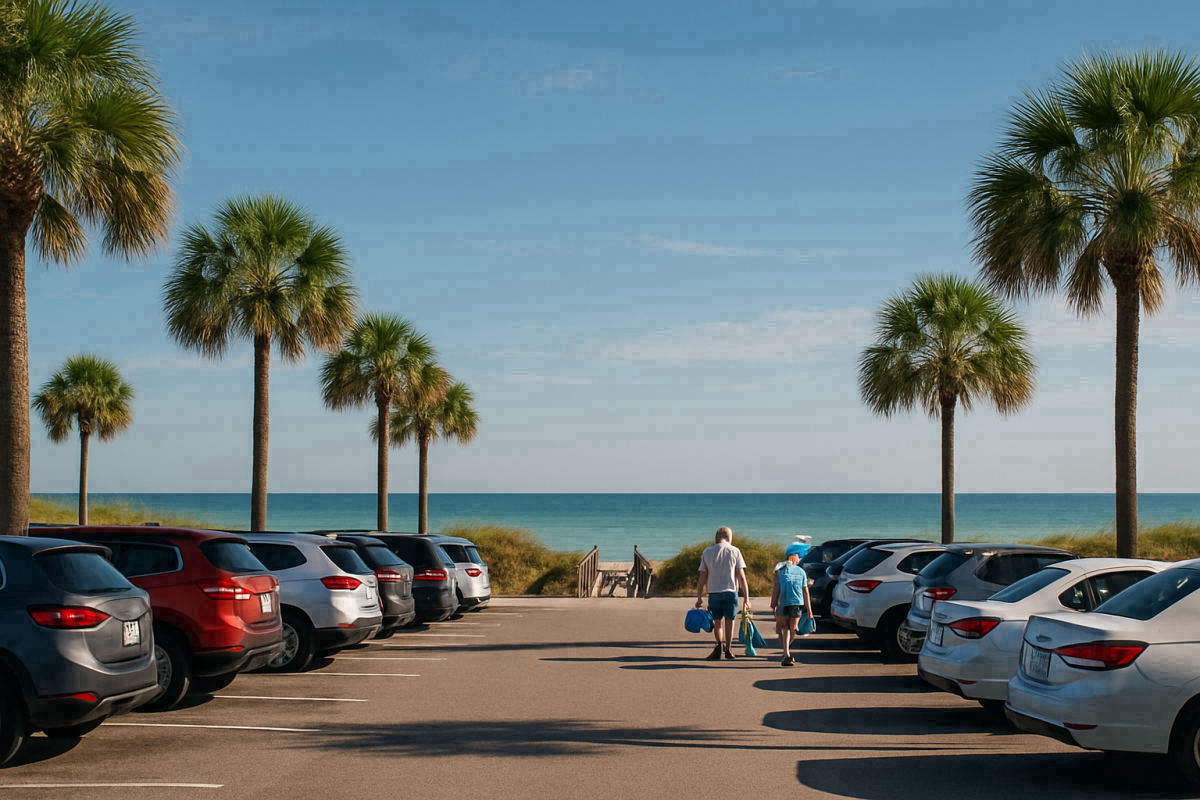
The standard annual beach pass grants unlimited vehicle parking at the county's three flagship beach parks: Fort De Soto Park on Mullet Key near St. Pete, Sand Key Park on the barrier island just south of Clearwater Beach, and Fred Howard Park Beach in Tarpon Springs. Those three parks together represent some of the finest Gulf-front sand in the region — wide, uncrowded, and well-maintained. Daily parking at these parks runs $6 a pop, so the math on the annual pass becomes favorable quickly: visit just 13 times in a year and the pass has paid for itself.
If you're also hauling a boat, the county offers a combined Annual Beach & Boat Ramp Pass for $110 plus tax (about $117.70 all in). That version covers vehicle parking at all county park boat ramps plus three standalone ramps — Sutherland Bayou, Belleair Causeway, and Park Boulevard — and also includes car-only beach parking (without a trailer) at the same three beach parks. It's a serious value for anyone spending weekends on the water.
One important clarification worth noting before you get excited about Clearwater Beach's famous strip or the bustling stretch at St. Pete Beach: the county pass applies only to county-managed parks. Municipal lots in Clearwater, St. Pete Beach, Madeira Beach, and other cities operate under their own fee systems and are not covered. The pass is also distinct from state park admission — Honeymoon Island, for instance, charges a separate Florida state park entrance fee.
What It Costs — and Who Gets a Discount
The full-price annual beach-only pass is $75 plus tax, coming to about $80.25 total. Seniors aged 65 and older and active or retired military members pay $55 plus tax. Disabled U.S. Veterans qualify for a free pass, though documentation is required at the time of registration. There's also a six-month beach pass available for $45 plus tax — a smart option if you're snowbirding for a season rather than visiting year-round. You can register up to two vehicles per applicant, and you'll need to provide your vehicle's state and tag number when purchasing.
A word on the fine print: these discounted rates are available to both residents and visitors, so you don't need a Florida address to qualify for the senior or military pricing. You do need to upload or present qualifying documents at the time of purchase. Always verify current eligibility requirements before you buy, as the county can adjust these policies.
How to Buy One
The easiest route is online at explore.pinellas.gov, where you can purchase and pay in one sitting. You can also call the Parks and Conservation Resources department at 727-582-2100 (select option 2) or visit the administrative office in person at 12520 Ulmerton Road in Largo. In-person payments are accepted by cash, credit card (Visa, Mastercard, Discover, and American Express), or check and money order made payable to Pinellas County BOCC. Once your order goes through, a windshield decal arrives by mail — there's no digital pass to display, so plan for a few days of lead time before your first beach trip.
The pass is valid for one year from the date of purchase, not on a calendar-year basis, so buying in October is just as useful as buying in January.
Is It Worth It for Visitors?
For a typical tourist spending a long weekend, probably not — paying $6 a day for two or three visits is cheaper than the annual fee. But for anyone renting a condo for a month, spending an extended snowbird season, or making regular drives down from Tampa or Orlando throughout the year, the pass starts making serious financial sense fast. At the current $6 daily rate, you break even after 13 visits to any combination of the three covered parks. Families road-tripping to Fort De Soto on a Saturday and Sand Key the next day use two of those visits in a single weekend.
One extra cost to factor in if Fort De Soto is your go-to: there are cashless tolls on the Pinellas Bayway leading to the park, billed via SunPass or toll-by-plate — the parking pass doesn't cover those. A SunPass transponder can simplify that part of the trip if you're making the drive frequently.
Also worth remembering: Pinellas County raised its daily parking rates for the first time in nearly 15 years at the start of 2025, bumping them to a flat $6 across the board. That makes the annual pass an even better hedge against future rate creep than it was before.
A Few Practical Tips
- Buy online before your trip so the decal arrives in time — don't assume you can pick one up at the park gate.
- Register both vehicles in your household if you ever split up or take different cars; the two-vehicle limit exists for exactly this reason.
- The pass works on a pay-by-plate system at most locations, so enforcement staff will recognize your tag — but keep the decal displayed as a backup.
- Pack a cooling towel for those long summer afternoons at Fort De Soto — the park is stunning but exposed, and shade is limited near the waterline.
- Always confirm current prices and coverage at pinellas.gov before purchasing, as fees and eligible locations can change.
Bottom line: if you're spending a significant stretch of time on Florida's Gulf Coast and Fort De Soto, Sand Key, or Fred Howard Park are on your regular rotation, the Pinellas County annual beach pass is genuinely one of the better deals in Florida beach parking — straightforward to buy, easy to use, and good from day one.