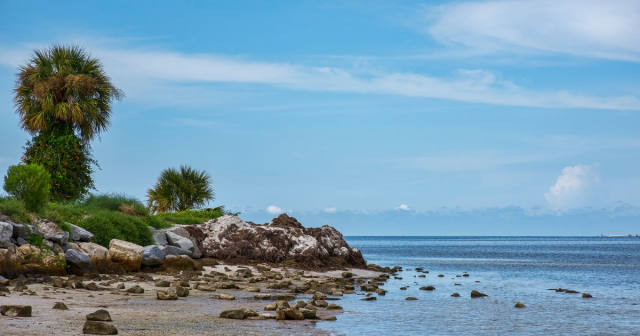
Sebastian Inlet State Park straddles one of Florida’s most energetic stretches of coast, and the “best” side depends entirely on what you want from the day. The north side is the easy pick for families, swimmers and surfers who want the park’s signature breaks close by. The south side remains useful for quieter beach time, camping and lagoon access, but the ongoing A1A bridge-replacement work has changed its parking and jetty access in a meaningful way.
Quick answer: which side should you choose?
- Pick the north side for the protected cove, the most convenient surf access, the north jetty and the best chance of finding the classic Sebastian Inlet experience in one stop.
- Pick the south side for its picnic-and-campground side of the park, boat-ramp access and a less concentrated beach day—but do not expect to walk to the south jetty from the south parking lot during current construction.
North side: best for swimming, surfing and the north jetty
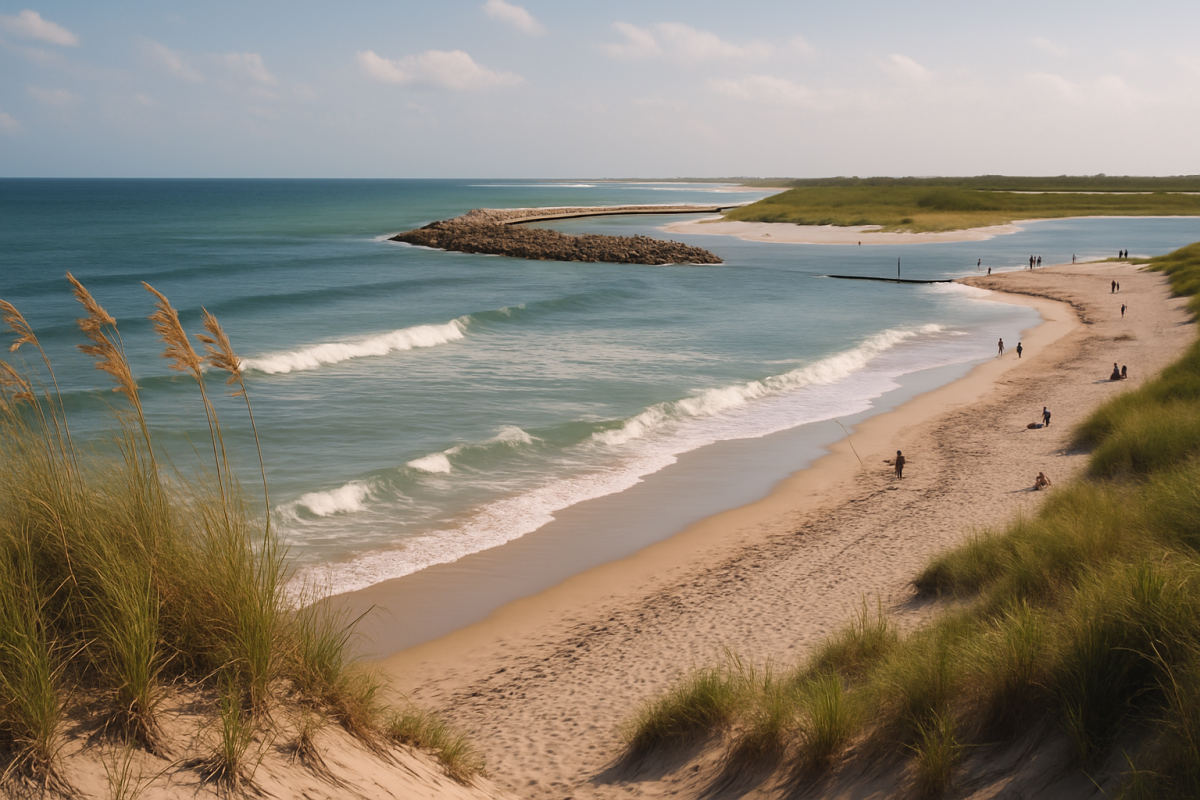
Enter from the north ranger station on A1A/Jimmy Buffett Memorial Highway for the park’s most visitor-friendly beach setup. This is where you will find beach access, restrooms and the sheltered cove on the inlet side. The cove has a firmer bottom and gentler slope than the open ocean, so it is the more sensible choice for young kids, tentative swimmers and anyone visiting when the Atlantic is choppy. It is still natural water with changing depth, current and boat activity nearby, so supervise closely and pay attention to posted beach-warning flags.
For surfers, the north side is the headline act. First Peak, beside the north jetty, is one of the state’s most dependable surf breaks. It is also a serious, fast-moving inlet environment, not a beginner lesson zone when surf or current is up. Experienced surfers should give jetty anglers, swimmers and changing conditions plenty of room; families may be happier setting up well away from the inlet mouth.
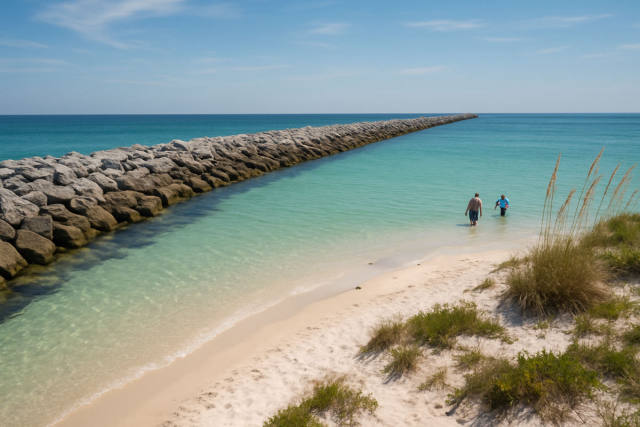
The north jetty is also the practical jetty-fishing choice right now. It is a classic place to fish moving water for species such as snook, redfish and Spanish mackerel, but footing can be slick and uneven, waves can wash the rocks, and conditions change quickly around tide shifts. Wear secure water shoes rather than flip-flops, keep a close eye on the sea, and consider polarized fishing sunglasses for spotting water movement and reducing glare.
South side: open beach, campground amenities—and a major access catch
The south entrance leads toward the ranger station, Sebastian Fishing Museum, campground, picnic areas, playground, boat ramp and south-side shoreline. It can be a good base for visitors who are camping or who prefer to spread out from the busier north-side surf-and-cove hub. The ocean-facing beach is still part of the park’s more than three miles of Atlantic shoreline, and the offshore Monster Hole shoal south of the inlet is a well-known surf spot when conditions line up.
However, the south side is not currently the place to plan a south-jetty fishing walk. FDOT closed access from the South Parking Lot to the south jetty on June 4, 2026, for the Sebastian Inlet Bridge replacement project. Portions of the lot beneath and on both sides of the bridge are also closed, though limited parking west of the bridge inside the park remains available and the boat ramp remains accessible. The observation deck under the south side of the bridge is closed as well.
Parking, gate hours and construction detours
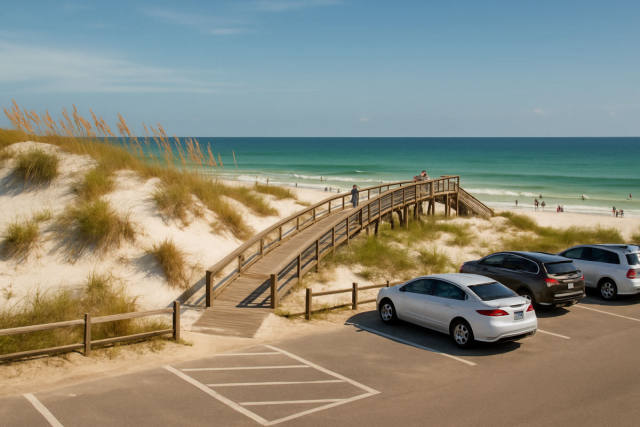
Parking has always been tight on busy weekends and holidays, especially on the north side; construction makes arriving early even smarter. The north lot is only partially available through spring 2032, with limited spaces west of the bridge, one row remaining open east of it and additional spaces northeast of the north entrance. If the north side reaches capacity, park staff may temporarily close it to incoming vehicles.
As of October 2026, the north ranger station continues to provide 24-hour access. The south ranger station operates from 8 a.m. to sunset; after-hours entry there is limited to registered campers and annual-pass visitors holding the required after-hours permit. Standard admission is $8 per vehicle for two to eight people, $4 for a single-occupant vehicle and $2 for pedestrians or bicyclists.
A1A bridge construction is expected to continue into spring 2032. A traffic shift is scheduled to begin October 13, 2026, weather permitting, with both directions using temporary pavement around portions of the work zone through late 2028. Expect reduced parking, noise, signs and slower arrivals rather than a simple detour around the park. Check the park and FDOT updates before leaving home, particularly if you are timing a tide or sunrise surf session.
Fishing and beach-day essentials
Anglers 16 and older generally need a Florida saltwater fishing license to fish from the shoreline or jetty. Florida residents who fish only from shore may qualify for the free shoreline-only license; nonresidents need a regular saltwater license. A snook permit is additionally required if you intend to keep or even target snook, and seasons, size limits and bag limits can change. Bring a long-handled net or safe release tool, never turn your back on the ocean, and pack a waterproof phone pouch for the spray-prone rocks.
Best practical move: For a first visit, use the north entrance early, choose the cove for gentler swimming or the north beach for surf, and treat the south side as a separate beach-and-campground area while south-jetty access remains closed. Check current details before you go.