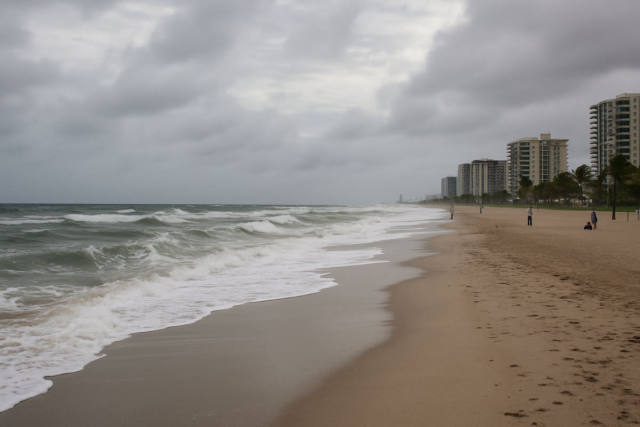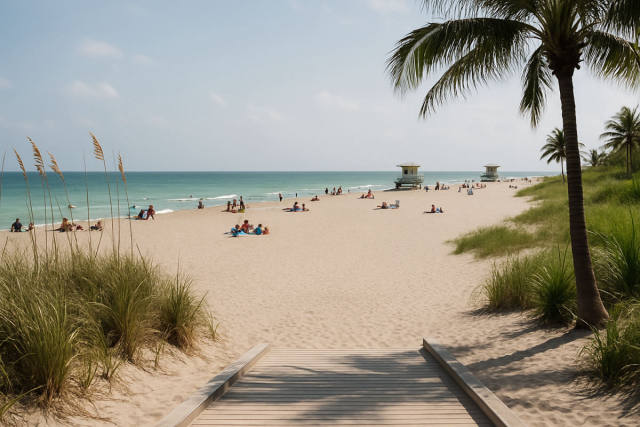
Venice has earned its shark-tooth reputation honestly: the Gulf shoreline south of the jetty is a longtime place to spot small, dark fossil teeth among shell grit. The trick is not finding a secret beach. It is choosing an easy public access point, working a small patch of shell-rich wash patiently, and respecting the beach conditions in front of you.
Best Venice public access points for shark tooth hunting
- North Brohard Park and the Venice Fishing Pier: This is the best first stop for most visitors. It is a straightforward beach base near the pier, with restrooms, food options and a bait shop nearby. The beach on either side of the pier is an approachable place to try a few scoops, especially for first-timers who want a more developed setting.
- South Brohard Park: Choose this access if Caspersen Beach is your goal. South Brohard has beach access and restrooms, and it is currently the practical starting point for walking south toward Caspersen. Keep the outing modest if you are carrying a lot of gear; it is better to bring one sifter and water than a whole beach wagon.
- Venice Beach and Service Club Park: These are convenient alternatives for a casual hunt paired with downtown Venice or a regular beach day. Venice Beach has free parking, lifeguards, concessions and additional parking at nearby Graser Park; Service Club Park has free parking and a long beach walkover. Teeth can turn up along this stretch, although the beaches farther south are the classic hunting zone.
- Caspersen Beach Park: This remains the name most hunters know, but it needs a different plan right now. Hurricane damage washed out the Harbor Drive approach, and the park is open only to pedestrians and cyclists. Vehicle parking, restrooms and the playground remain closed. Reach it from South Brohard Park or via the Venetian Waterway Park Trail from the Venice Festival Grounds, and do not rely on the old Caspersen parking lot. The park’s posted hours are 6 a.m. to 10 p.m.
For all of these spots, arrive earlier in the day on weekends and during winter and spring travel season. Conditions, repairs and beach access can change after storms, so check current Sarasota County park updates before you head out.
How to sift without making it a science project
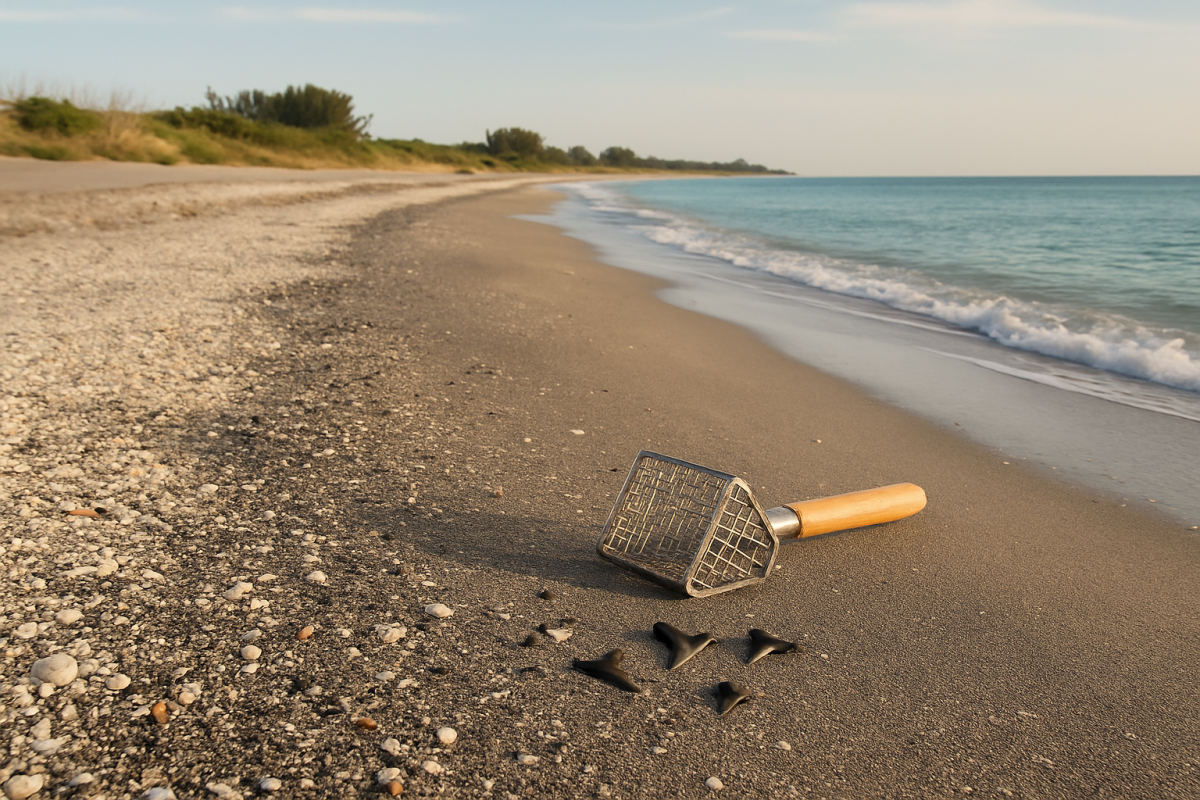
Start by walking the wrack line and damp sand, scanning for glossy black, gray or brown triangles. For a more productive approach, look for a concentrated band of shells and darker gravel near the waterline. In gentle conditions, take a small scoop from the shallow wash or the edge of a small sand ledge, then rinse it in the moving water until the fine sand falls away. Spread the remaining shells and pebbles across the screen and look carefully—many common teeth are smaller than a fingernail.
A purpose-made long-handled shark tooth sifter saves bending and keeps your hands out of the surge, but a small handheld sieve works nicely for kids and short hunts. Bring a sealed container for tiny finds, plus drinking water, sun protection and footwear that stays on in moving water.
Stay ankle- to knee-deep only when the surf is calm and you are comfortable with the footing. Do not turn your back on the water, sift around anglers, climb or dig into dunes, or make deep holes in the beach. Keep clear of marked sea turtle nests and nesting areas; Venice’s turtle season runs from May through October. If waves are rough, skip water sifting and hunt the exposed shell line instead.
What you can legally take
Florida allows casual collection of shark and ray teeth without a Florida Fossil Permit. That does not make every fossil fair game: permits and property-specific rules can apply to other vertebrate fossils, and collecting is prohibited in places such as state parks, national parks and wildlife refuges. Venice’s main hunting beaches are locally managed public beaches, but posted rules and temporary closures always control.
The simplest rule is to collect loose shark teeth only, leave living creatures and protected areas alone, and do not excavate. If you find a large bone, an unusual tooth, an artifact or anything that looks historically significant, photograph it and contact the Florida Museum of Natural History or the local land manager rather than assuming it belongs in a beach bucket.
A smart Caspersen-day plan
Park where vehicle access is available at South Brohard, use the beach as your route south, and hunt as you go rather than treating Caspersen as a quick pull-up stop. Bring enough water for the walk, use a lightweight sifter, and have a backup plan at North Brohard or Venice Beach if the weather turns or access conditions change.
Practical takeaway: For the easiest first hunt, begin near Brohard; for the classic quieter beach-combing feel, walk toward Caspersen—but confirm the current access notice before leaving your hotel.