J.W. Corbett Wildlife Management Area is one of Palm Beach County’s most rewarding wild places, but it is not a conventional park with a single staffed gate, paved loops and set visitor-center hours. Think of it as a large, working wildlife area: access, roads and visitor logistics shift with hunting seasons, water levels and management needs. A little preparation makes the difference between a fine day of birding and an unexpected turnaround.
Daily-use permits: what most visitors need
Anyone entering Corbett for recreation—including wildlife watching, hiking, scenic driving, biking or horseback riding—needs either a daily-use permit or a Florida Wildlife Management Area Permit. The current daily-use fee is $3 per person or $6 per noncommercial vehicle. Pay at the entrance fee station, use the envelope provided, then display the hang tag in your vehicle or carry it if arriving on foot, bike or horseback.
A few exemptions apply. Florida residents younger than 16 or older than 65, eligible residents home on short military leave, holders of certain qualifying licenses, and long-distance hikers passing through on the Ocean to Lake Trail do not pay the daily-use fee. Fishing and hunting have their own license and permit requirements, so a day-use payment alone does not authorize either activity.
For frequent visitors, an annual Florida Wildlife Management Area Permit costs $26.50 and covers access at WMAs that charge a daily fee. Check current details before you go, since fees and exemptions can change.
Entrances, gates and road reality
Use FWC’s J.W. Corbett entrance finder and the current area map before leaving home; cell service can be unreliable once you are inside. The area has multiple access points rather than one all-purpose visitor entrance, including the north and south sides, and roads lead to camps, trailheads and remote habitats. The Bald Cypress Boardwalk parking area is the simplest choice for first-time wildlife watchers.
Do not treat every mapped trail as a public driving route. Outside designated hunting-related vehicle periods, visitors are generally limited to licensed, street-legal vehicles on named roads, designated parking areas and access roads. Indian Trails Road and L-8 Canal Road are street-legal-vehicle-only routes. Many numbered trails and interior routes have additional restrictions, particularly during hunts. A truck, SUV or four-wheel drive does not give a visitor permission to leave open roads or drive cross-country.
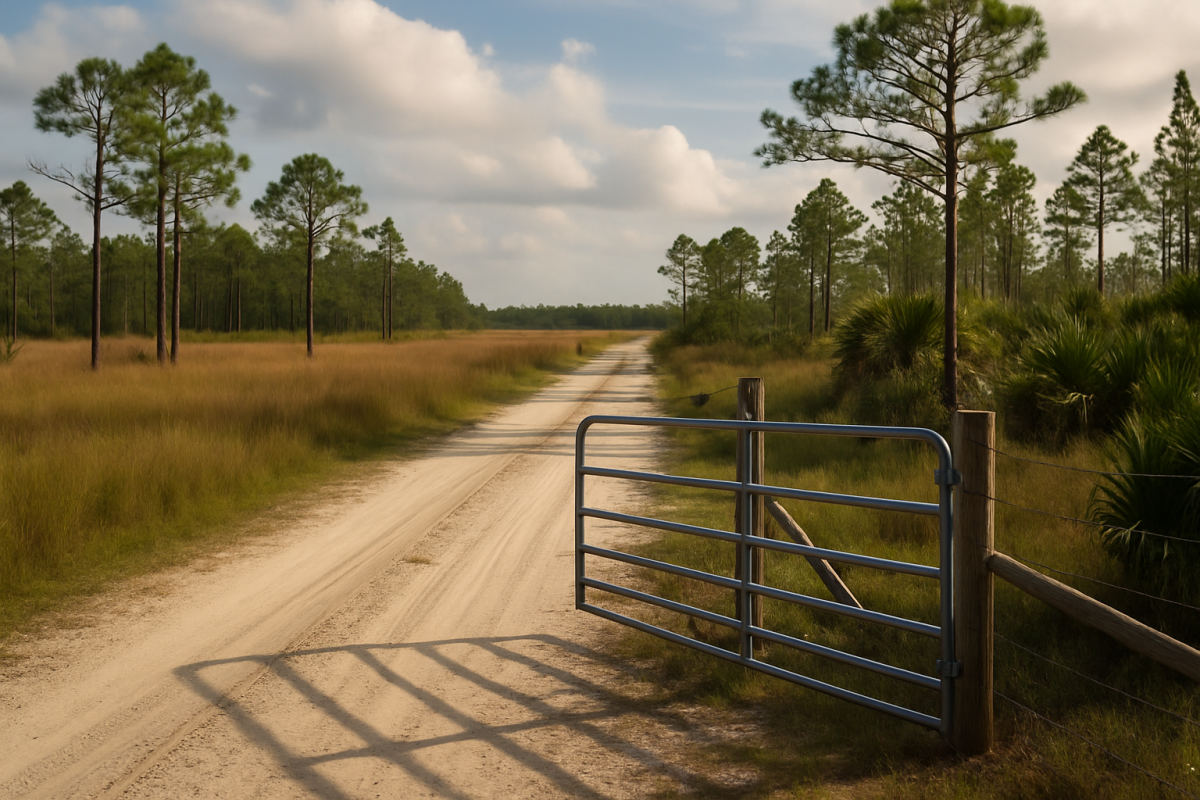
Gates and road conditions can change after heavy rain, prescribed fire work, storm damage or management projects. Before a long drive, check FWC’s open/closed notices as well as the Corbett brochure and hunt calendar. If a gate is signed closed, turn around rather than trying to route around it.
The key seasonal closure to know
General public recreational access is available most of the year, but the main body of Corbett closes for roughly two weeks immediately before archery season. For the 2026–27 cycle, archery season starts August 29, 2026, so the closure runs from Sunday, August 16, until 8 a.m. on Friday, August 28. The Bald Cypress Boardwalk and Trail and the Ocean to Lake Trail remain available year-round, including during that closure.
Hunting activity is especially common in fall. For 2026–27, the scheduled seasons include archery from August 29–September 20, muzzleloading gun from October 3–18, general gun from November 7–January 3, small game from January 4–February 21, and spring turkey on specified days from late February into April. Non-hunting visitors should review the calendar for their exact date, wear a fluorescent-orange top or hat on scheduled hunt days, stay visible on open roads and trails, and avoid wandering into remote interior cover.
Where to see wildlife without overcomplicating the visit
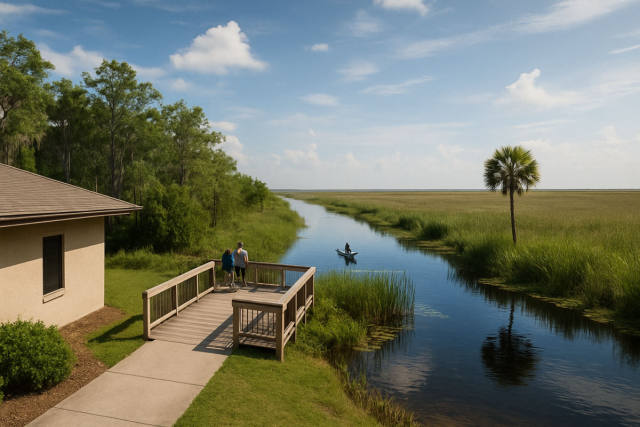
The 1.2-mile Bald Cypress Boardwalk and Trail is Corbett’s best all-around wildlife stop and the most dependable option for families, casual hikers and visitors who prefer not to navigate the interior road network. It passes through cypress swamp, pine flatwoods and hammock habitat, has interpretive signs, and has restrooms at the parking area. Early morning and late afternoon offer the best odds of deer, bobcats, owls, woodpeckers and songbirds; bring compact binoculars for birding and pause often rather than trying to cover the trail quickly.
For serious birders, the L-8 Canal can be productive for wading birds such as herons, egrets, ibises, wood storks and roseate spoonbills. Spring and fall bring migratory warblers to the oak hammocks and cypress, while cooler, drier months are especially pleasant for watching wading birds. Corbett also supports sandhill cranes, snail kites, Bachman’s sparrows and red-cockaded woodpeckers, but wildlife is never guaranteed—quiet patience beats a rushed checklist.
Practical field notes
- Dogs are allowed but must remain under physical restraint at all times.
- Carry drinking water, sun protection, insect repellent and a downloaded map; there are few visitor services once you leave the main access areas.
- Keep a respectful distance from wildlife, never feed animals and watch your footing near water, where alligators and snakes may be present.
- Camping requires a separate no-cost reservation permit. It can be booked up to 14 days ahead, remains first-come for actual sites, and must be displayed at camp.
Best simple plan: pay the day-use fee, start early at the Bald Cypress Boardwalk, check the hunt calendar and closure notices beforehand, and let the quieter pace of Corbett do the rest.