A cruise ship brings thousands of guests together in shared spaces, from buffet lines and elevators to pool decks, theaters and dining rooms. Beyond the conduct rules passengers accept when booking and checking in, Royal Caribbean Blog outlined several informal etiquette habits that can help reduce friction on board.
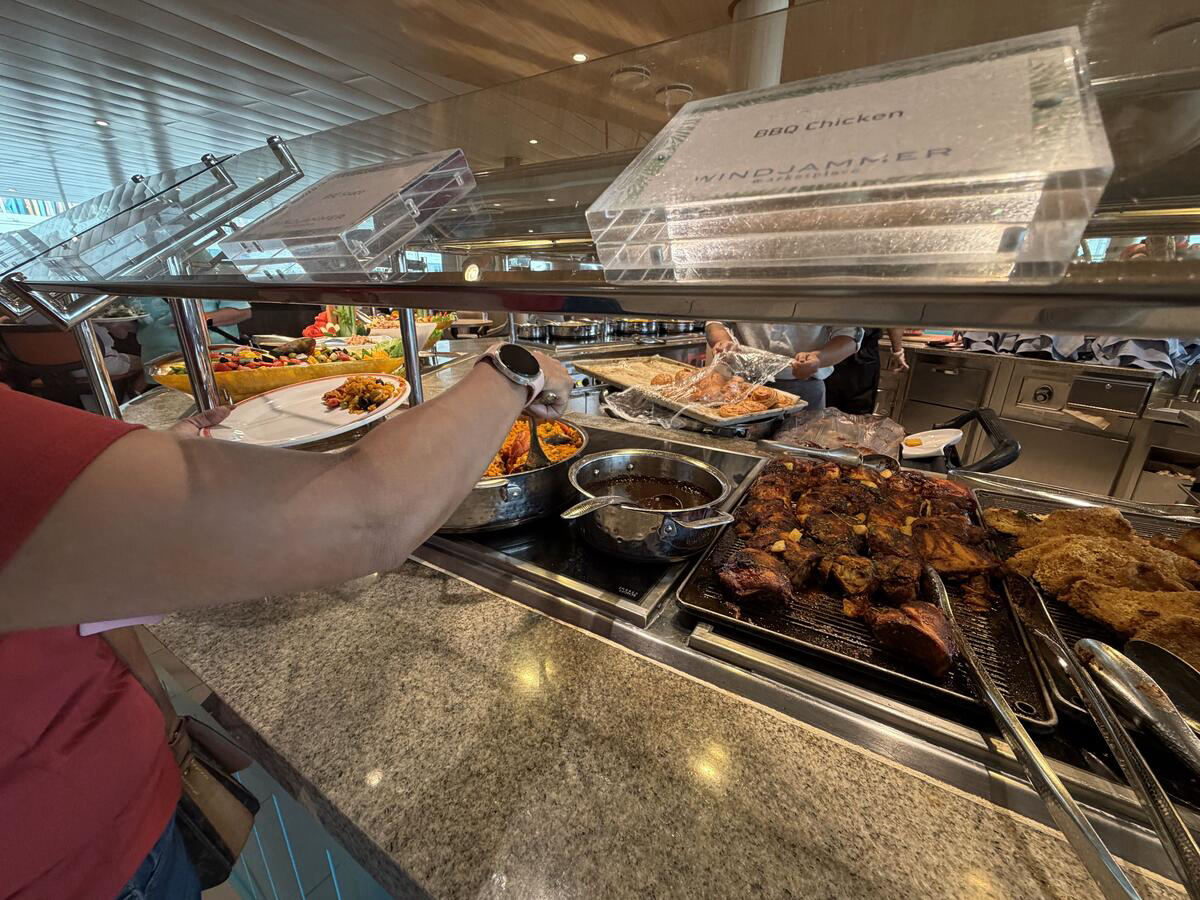
At the buffet, that means joining the line rather than squeezing ahead or reaching around other guests—even when only grabbing a quick item. If it is unclear whether someone is waiting, asking can avoid an awkward misunderstanding.
Pool chairs are another frequent point of tension, particularly on sea days. Royal Caribbean prohibits leaving belongings unattended for more than 30 minutes, according to the blog. Guests leaving the pool area for an extended period should take their things with them rather than holding a chair they are not using.
Elevator etiquette matters during busy periods around meals, shows and port returns. Let passengers exit before boarding, and consider taking the stairs for a trip of only a deck or two if able. That can leave elevator room for travelers with mobility needs, strollers or young children.
The guidance also calls for being on time for shows, specialty dining and shore excursions. Shows and events may fill up, restaurants often work on scheduled dining times, and tours leave at set times. Arriving early can give travelers time to find their meeting point or seats without disrupting others.
Other reminders include keeping hallway noise down late at night, avoiding disruptions during performances, treating crew members respectfully and following smoking restrictions. On Royal Caribbean ships, smoking is limited to designated areas; the line’s app and Guest Services can help guests locate them. The blog also notes that parents should supervise children in public areas, including hallways and hot tubs.
Planning starts before embarkation, too. The blog advises allowing ample time to reach the port and avoiding flights scheduled for embarkation day, when delays, cancellations or lost luggage could cause travelers to miss the ship.