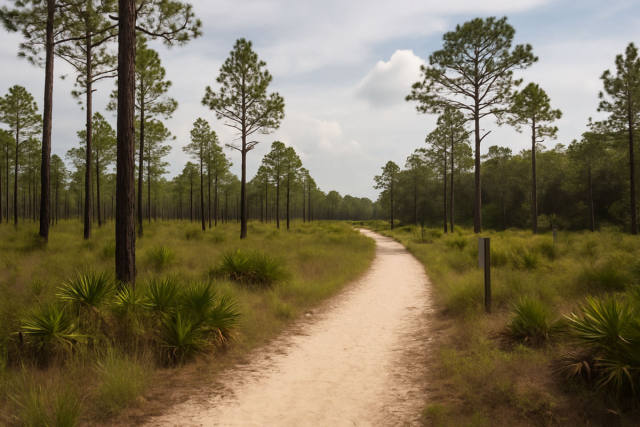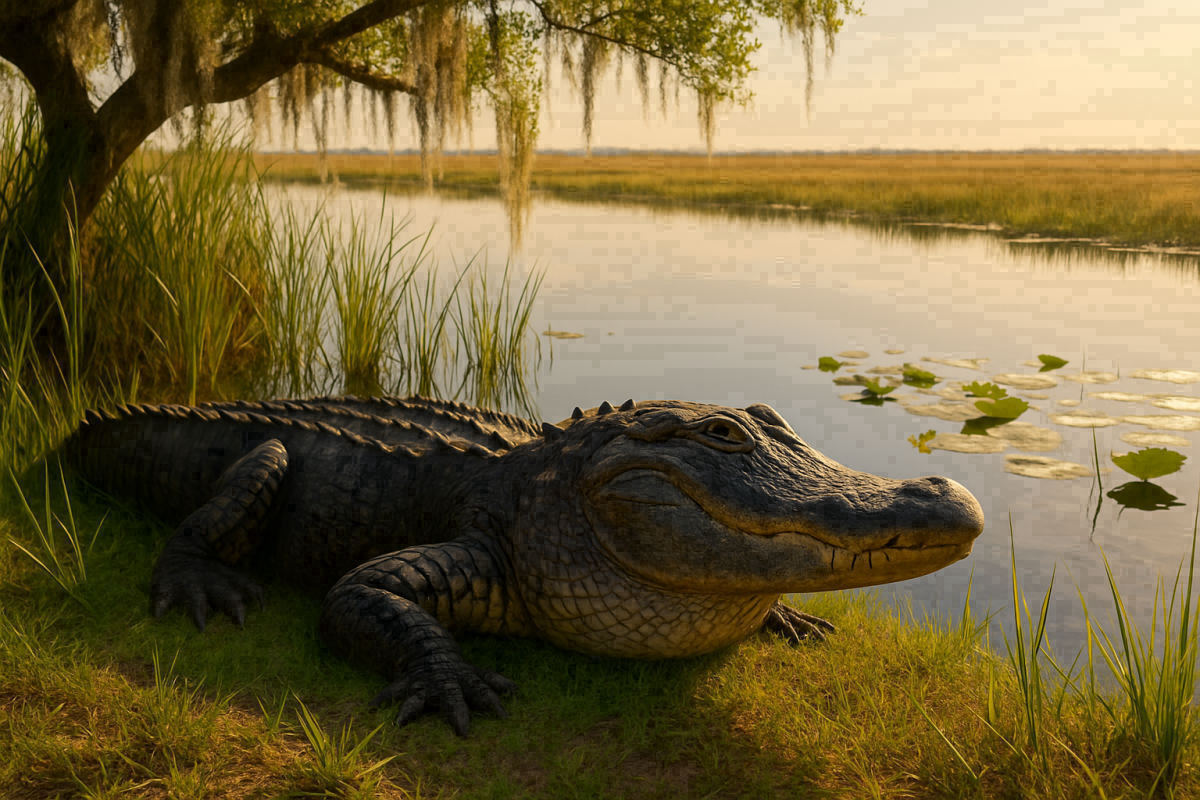
Florida is home to roughly 1.3 million wild alligators, spread across all 67 counties. They turn up in lakes, rivers, marshes, canals, and the occasional golf course fairway. Even so, knowing exactly where to go makes the difference between an unforgettable encounter and a disappointing walk along a quiet pond. The sites below are organized by region and represent some of the state's most reliable viewing opportunities — along with the hours, access details, and safety rules you need before you go.
Best Viewing Times (Statewide)
Timing matters. Alligators are cold-blooded, so they regulate their body temperature by basking in the sun during cooler parts of the day. Winter mornings are especially productive — gators emerge onto banks and trail edges to soak up warmth. Spring is breeding season, and the deep, resonant calls of males fill the air at dawn. Summer brings heat and heavy rain, which can make gators less visible as water levels rise, though early mornings still produce sightings. The Florida Fish and Wildlife Conservation Commission (FWC) notes that alligators are most active between dusk and dawn, so daytime visits — particularly morning — are both safer and more rewarding for wildlife watching.
South Florida: The Everglades
No alligator guide starts anywhere else. The Everglades is the defining experience, and Shark Valley, located on the Tamiami Trail (US-41) about 25 miles west of Miami, is its most accessible entry point for gator viewing. The concession operator runs guided, open-air tram tours along a 15-mile loop through the "River of Grass," with park-trained naturalists pointing out wildlife the entire way. Tours run approximately two hours; as of 2025 adult tickets are around $34, with reduced rates for seniors and children — confirm current pricing and book ahead at sharkvalleytramtours.com, and note that reservations are strongly recommended from November through April when the park is at peak capacity. Alternatively, rent a bike and pedal the loop yourself at your own pace — both modes of transport put you in the thick of it. At the halfway point, the Shark Valley Observation Tower offers a sweeping bird's-eye view of the entire ecosystem.
For a wilder experience, Big Cypress National Preserve's Loop Road, connecting at both ends to the Tamiami Trail, is a quiet scenic drive where gator sightings along the roadside are common. Airboat tours out of Everglades City are another option for getting deep into brackish-water habitat — a different and dramatic environment worth adding if you have extra time.
Southwest Florida: Myakka River State Park
Just east of Sarasota, Myakka River State Park covers 58 square miles of prairies, wetlands, and hardwood hammock — and Upper Myakka Lake is famous for one of Florida's densest alligator populations. The park's pontoon boat tours cruise through these waters with guides who know exactly where to look; alligators are essentially guaranteed. The park is open 365 days a year from 8 a.m. until sunset. Always check the park's official website before visiting, as specific amenities (including the boat tours) can be affected by water levels, weather events, or seasonal conditions. Myakka sits about an hour from both Tampa and Sarasota, making it an easy day trip from either city.
Central Florida: Three Can't-Miss Spots
Circle B Bar Reserve in Lakeland (Polk County) is arguably the most accessible alligator hot spot between Tampa and Orlando, and it's completely free to enter. The aptly named Alligator Alley trail runs along Lake Hancock with wetland on one side and open water on the other — gators basking, swimming, and simply staring back at you from a few feet away are standard. The reserve is open daily, generally from around sunrise to 8 p.m. (hours can vary seasonally, so confirm before you go). The Polk Nature Discovery Center on-site is open Tuesday through Saturday, 9 a.m. to 4 p.m., and Sunday noon to 4 p.m. Note that trail sections can be temporarily closed due to storm damage or alligator activity — check posted signs at the trailhead. No pets are permitted.
Orlando Wetlands Park, located in the town of Christmas just east of Orlando, is a 1,650-acre former water-reclamation facility that has become one of the region's most productive wildlife areas. The park is open Tuesday through Sunday from 7 a.m. to 6 p.m. (closed Mondays); admission is free. Walk the Cypress Boardwalk for up-close views over the marsh, or catch a free tram tour on Fridays and Saturdays (first-come, first-served). A brand-new 5,000-square-foot visitor center opened in April 2025. No pets are allowed, leashed or otherwise. Winter months — December through March — are widely considered the prime season here for both bird and gator watching.
The Lake Apopka Wildlife Drive, on the north shore of Lake Apopka near Orlando, lets you stay in your car for the entire experience — a slow roll through reclaimed farmland where alligators frequently sun themselves along the water's edge. It's a low-effort, high-reward option, especially for families with young children.
North Florida: Paynes Prairie (Gainesville)
Paynes Prairie Preserve State Park's La Chua Trail is in a class by itself for sheer gator density. Accessed from the park's north entrance on Camp Ranch Road in Gainesville, the trail follows a paved path and boardwalk through wetland habitat where dozens of alligators routinely bask within close sight of visitors. On a good morning in late spring — when the prairie is at its driest and gators congregate along the water's edge — the count can reach into the hundreds. The trail opens at 8 a.m. seven days a week and closes one hour before sunset; that early-closing rule is a genuine safety measure, not a suggestion, because alligators become significantly more active as darkness approaches. The La Chua trailhead has its own entry fee (around $4 per vehicle — confirm current fees at floridastateparks.org). Pets are strictly prohibited on this trail. Ranger-led hikes are offered most Saturdays from November through March; check the park's event calendar to join one.
Safety Rules — Non-Negotiable
- Never feed a wild alligator. It has been illegal in Florida since 1987 and is classified as a second-degree misdemeanor, carrying fines up to $500 and potential jail time. Beyond the legal risk, feeding makes gators associate people with food — a dangerous behavioral shift that often results in the animal being removed from the wild.
- Keep your distance. The FWC recommends staying at least 60 feet from any alligator you observe in the wild. These animals can move with startling speed over short distances.
- Avoid the water at dawn, dusk, and after dark. Alligators are most active during these hours. Swim only in designated swimming areas during daylight hours.
- Keep pets and children close. Small pets in particular can resemble natural prey. Many of the best viewing sites prohibit pets entirely — always check before you go.
- If an alligator approaches you on land, back away slowly and calmly. Do not run in a zigzag pattern — that's a persistent myth with no scientific basis.
- Report nuisance or aggressive behavior to the FWC's Wildlife Alert Hotline at 888-404-3922. Do not attempt to handle or move the animal yourself.
What to Bring
A good pair of compact binoculars lets you observe from a safe distance without missing any detail — essential at open-water sites like Myakka and Paynes Prairie. Most of the best viewing spots are exposed with little to no shade, so pack a cooling towel and sun protection, start early, and bring more water than you think you'll need. Sturdy closed-toe shoes are worth wearing on unpaved trails — flip-flops are a genuinely bad idea on uneven, sometimes muddy paths where your attention will naturally be on the wildlife, not your feet.
One final tip: conditions at every site listed here can change — water levels, trail closures, tour schedules, and entry fees all shift seasonally and after weather events. Always check the official park or reserve website within a day or two of your visit to make sure nothing has changed since this guide was published.