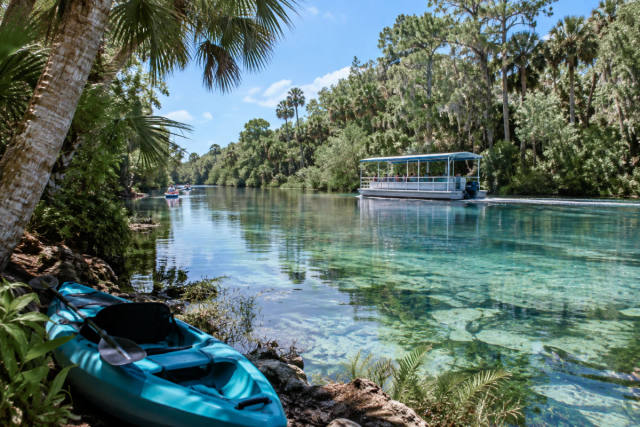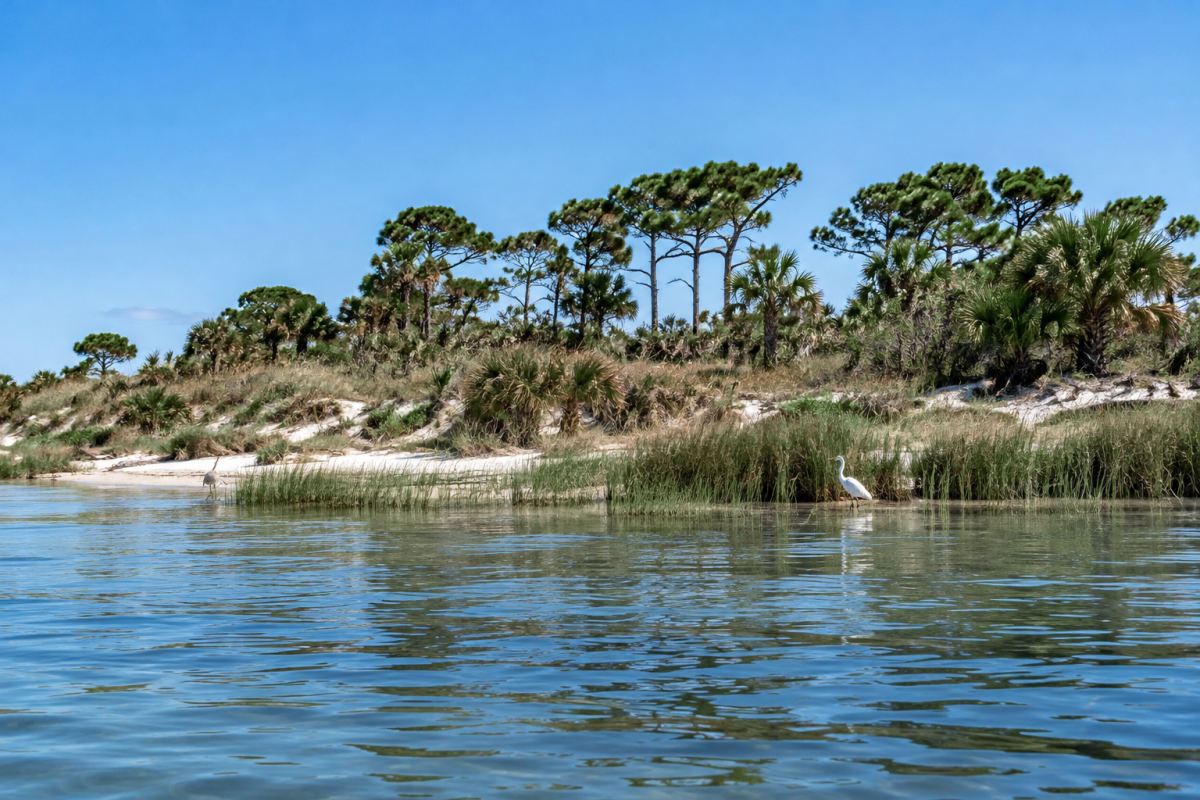
St. Vincent National Wildlife Refuge is the kind of wild Florida outing that rewards a little preparation. The refuge’s signature destination, St. Vincent Island, is a largely undeveloped 12,300-acre barrier island southwest of Apalachicola, with beaches, marshes, palmetto stands and sandy interior roads. It is accessible only by boat, so this is not a pull-up-and-stroll wildlife stop. Think of it as a self-guided island day with real wind, tide and navigation considerations.
How to reach St. Vincent Island
Visitors arrange their own ride, whether that means a private boat, kayak when conditions and experience make that appropriate, or a paid local boat service. The refuge points visitors to paved public ramps with free parking at the end of Gulf County Road 30-B on Indian Pass Peninsula and at Ten Foot Hole beneath Apalachicola’s John Gorrie Bridge. From the Indian Pass ramp, the crossing to the island is about a quarter-mile, but that short distance should not be mistaken for automatically easy water: the U.S. Fish & Wildlife Service specifically advises boaters to account for wind, tides, currents, storms and oyster bars. Check marine conditions and your vessel’s range before committing to the crossing.
The refuge does not provide transportation, and there is no visitor center on the island. For travelers without their own boat, the refuge notes that the Apalachicola Chamber of Commerce maintains a list of private, for-profit operators that carry visitors to and from the island. Review the refuge’s current access notes before booking a ride or launching, particularly after a storm.
Daylight-only means plan your return first
Day use is free, but it is strictly tied to daylight: the refuge lists public hours as sunrise to sunset, and says no vessels may remain overnight. Camping and fires are allowed only in connection with refuge public hunts. In practical terms, build your outing around an early-enough departure that leaves a generous cushion for exploring, changing weather and a safe ride back before dark—not just for reaching the beach.
General public access can stop without much notice. St. Vincent is closed to general visitation during public hunts and may also close because of fires, prescribed burns or tropical storms. The refuge typically holds three public hunts between November and January; the current hunt regulations and map also warn that closed areas can change. Before leaving the dock, check the official visit page and, during hunting season, the current refuge hunt brochure. Posted closure signs always win.
What wildlife watchers may see
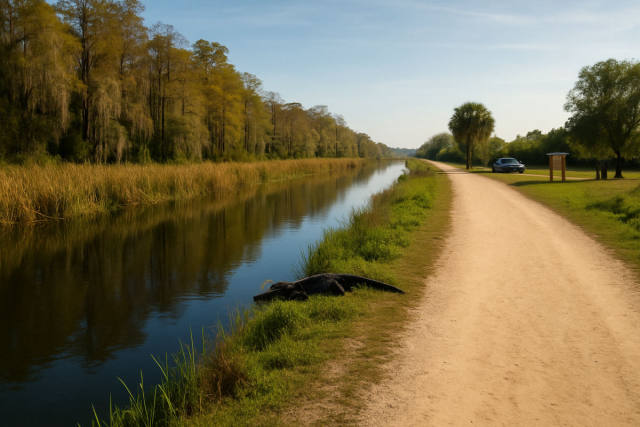
St. Vincent’s appeal is habitat variety rather than a guaranteed wildlife checklist. The island is a stopover for migratory birds, and the refuge highlights shorebirds, wading birds, raptors and songbirds. In winter, bald eagles nest on the island; nesting zones are marked and off limits to visitors. Periodically managed freshwater lakes can draw shorebirds, and alligators are also possible there. Give every animal room, never feed wildlife and use optics rather than trying to close the distance. A compact pair of waterproof binoculars is especially useful for scanning marsh edges and distant birds without disrupting them.
The refuge is also a breeding site for endangered red wolves, but visitors should not treat the island as a place to search one out. Seeing one would be unusual, and responsible viewing means respecting all closures and keeping any wildlife encounter quiet and distant. Dawn and the later daylight hours can be especially rewarding for birding and general animal activity, while also avoiding the strongest midday sun.
On-island expectations
There are miles of primitive beach and sandy roads open to walking and bicycling, but do not expect a heavily signed trail system. The refuge says there are few directional, road or trail signs, so download an offline map, keep track of your landing point and allow extra time to retrace your route. Stay out of signed closed areas, including seasonal wildlife-protection zones.
Come fully self-sufficient. There are no facilities or potable drinking water on refuge units, so bring more water than you expect to need, sun protection, insect repellent, a basic first-aid kit and a way to keep electronics dry. A waterproof dry bag is a simple safeguard for phones, keys and a paper backup of your plan. Pack out every bit of trash, and leave shells, plants and wildlife where they belong.
Practical takeaway: Treat St. Vincent as a daylight, boat-supported wilderness day: confirm closures that morning, launch only in conditions you can handle, carry your own water, and leave ample time to be back across the water before sunset.