Parking near Fort Lauderdale Beach has never been simple, and if you've watched the meter rates climb over recent years, you already know why so many locals quietly swear by the city's Residential Beach Parking Permit. But this pass isn't magic — it comes with real rules, genuine limitations, and a price tag that's changed over time. Here's what you actually need to know before you apply, and what visitors should do instead.
What the Permit Is (and Who Can Get One)
The Residential Beach Parking Permit is the city's way of giving Fort Lauderdale neighbors a leg up on beach access. With it, eligible residents can park free at designated beachside lots — a genuine perk on a stretch of coastline where standard city garage rates run around $3.00 per hour, and event-day pricing can spike dramatically higher. The permit is renewed annually, so it's not a one-and-done purchase: you'll need to buy a new one each year to keep the benefit active.
Eligibility is strictly limited to people who actually live within Fort Lauderdale city limits. A Broward County address that isn't inside the city doesn't qualify — and the city double-checks. To apply, you'll need a current Florida driver's license and a vehicle registration, both showing the same Fort Lauderdale address. If those two documents don't match, your application won't be approved. Renters can qualify just as homeowners can, but your paperwork needs to be current and consistent.
What It Costs
The current permit fee is $75 plus applicable tax per year. Payment is handled entirely online — the city accepts Mastercard and Visa debit or credit cards through its parking portal. No in-person or mail-in applications are accepted for this program, so the process is fully digital from start to finish. Once approved, your license plate itself becomes your permit, so there's no hang-tag or sticker to worry about losing.
Where You Can Park With It
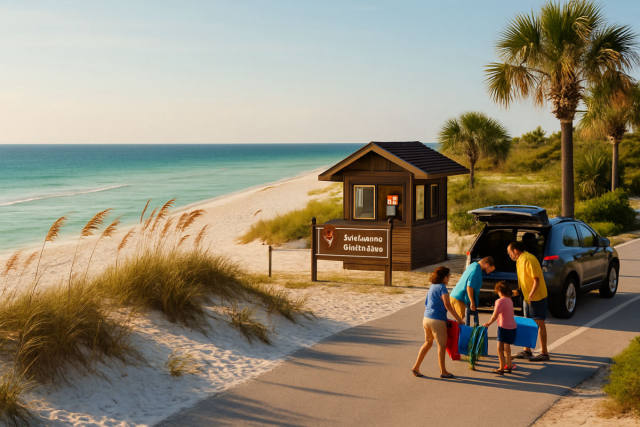
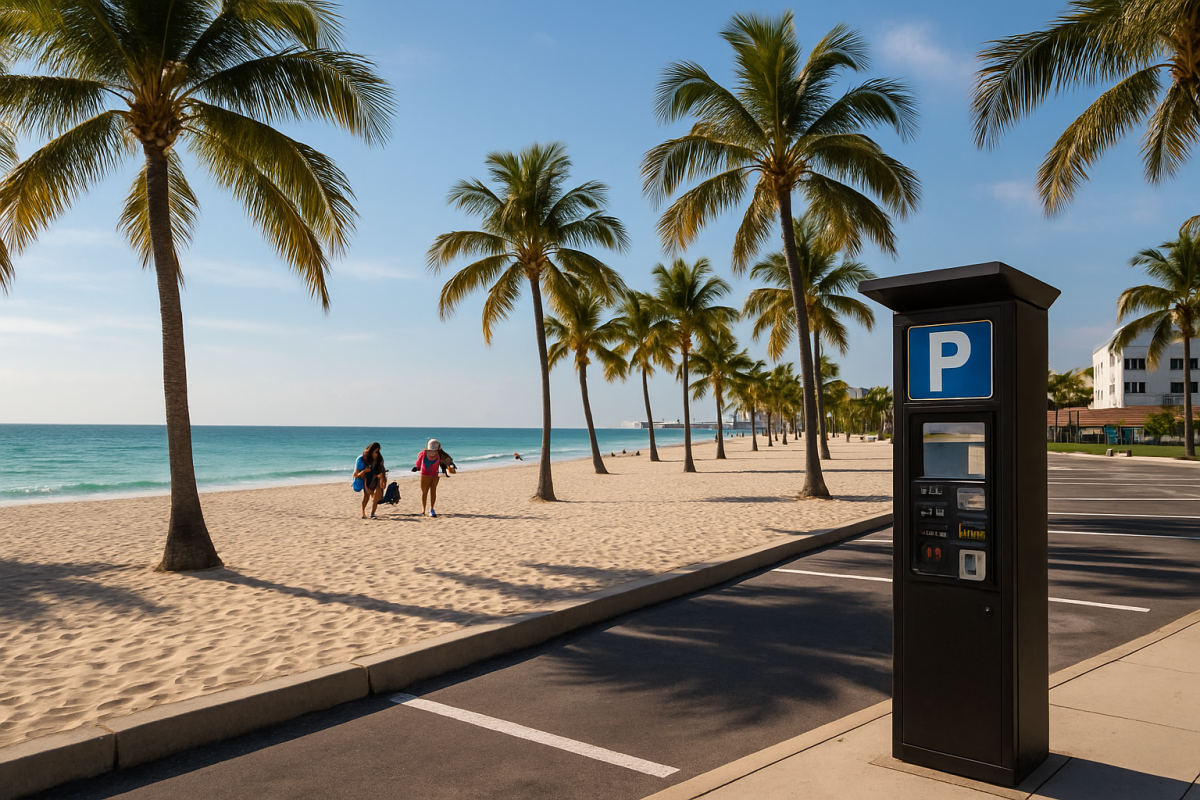
The permit unlocks free parking at a handful of designated areas along and near the beachfront, including on-street spaces along the North Beach corridor (both the east side of A1A from NE 13th to NE 18th Street, and the south end stretching from Sunrise Boulevard to NE 13th Street), the Las Olas Intracoastal Lot (the E-Lot at N. Birch Road and E. Las Olas Boulevard), and the South Side Lot just south of the Las Olas Intracoastal Bridge. The city maintains a parking map on its official site that shows exact boundaries — worth bookmarking since designated areas can be adjusted over time.
The Big Exceptions: What It Doesn't Cover
Here's where many new permit holders get caught off guard. The Residential Beach Parking Permit is not valid during special events — and Fort Lauderdale hosts a lot of them. The list of events that suspend permit parking includes the Fort Lauderdale Air Show, the Fort Lauderdale International Boat Show, the Tortuga Music Festival, the 4th of July Spectacular, New Year's Eve, and others. On those days, even a valid permit won't protect you from a ticket, and standard (often elevated) event parking rates apply to everyone. If you're planning a beach day around a major event weekend, check the city's current parking calendar in advance. Also note that the permit covers only the specific designated lots listed above — it doesn't unlock free parking citywide or in privately operated garages.
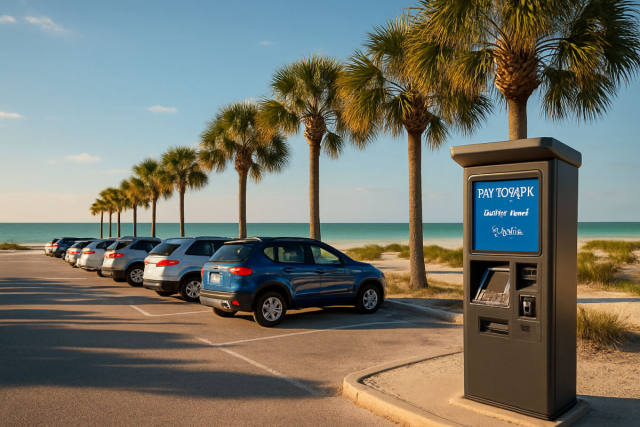
There's also a separate resident program worth knowing about: the Resident Parking Rate Program, which provides a discounted hourly rate through the PayByPhone app when parking in city-managed lots, garages, and on-street spaces across Fort Lauderdale. This is a different benefit from the beach permit — it doesn't give you free parking, but it does lower the hourly cost at a much wider range of city-managed locations. Once approved, the discount applies automatically when you pay via PayByPhone with your registered plate. Importantly, the resident rate does not apply when paying at a physical parking meter, only through the app. Like the beach permit, it requires annual renewal with proof of residency.
Visitor Alternatives: Getting to the Beach Without Paying Peak Rates
If you're visiting Fort Lauderdale — or you're a resident who just doesn't want to deal with driving — there are genuinely good options. The most wallet-friendly is the LauderGO Community Shuttle (formerly the Sun Trolley), the city's free community transit service. All routes are free to ride, including the Beach Link, which runs Monday through Sunday from 10:30 a.m. to 5:00 p.m. and connects directly to the beach. The Las Olas Link runs Friday through Sunday and is equally free. You can track shuttle locations in real time using the free Trolley Tracker app. a portable charger is handy for a full day of app-tracking and beach use.
For visitors who do drive, arriving before 10:00 a.m. on weekends dramatically improves your chances of finding a spot at or near standard hourly rates before the lots fill. Parking west of the Intracoastal Waterway — in a downtown or Las Olas Riverfront garage — and then taking a short rideshare or the free shuttle over the bridge is another popular workaround that can come out cheaper than paying peak beachside rates for hours. Broward County Transit (BCT) also runs routes to the beach; schedules and fares are available at broward.org/bct or by calling 954-357-8400.
How to Apply
Head to the City of Fort Lauderdale's official parking portal at fortlauderdale.gov and navigate to the Residential Beach Parking Permit page. You'll create a Parking Services account if you don't already have one, then upload your matching Florida driver's license and vehicle registration. Payment of $75 plus tax is collected at checkout by Mastercard or Visa. The city recommends reading through the Online Application User Guide before starting — it walks through each screen clearly and flags common submission errors. For questions, the city's Call Center is reachable at (954) 828-8000, Monday through Sunday, 7:00 a.m. to 10:00 p.m.
Practical tip: Because the permit requires annual renewal and the price, eligible lots, and special-event blackout list can all change, make a habit of verifying current details on the city's official site each time you renew — don't rely on last year's paperwork. And on event weekends, build in a transit backup plan. The LauderGO Beach Link is free, air-conditioned, and runs straight to the sand: sometimes the smartest parking strategy is not parking at all. Pack a cooling towel and let the shuttle do the work.