Gulf Islands National Seashore stretches for roughly 160 miles along the Florida and Mississippi coastlines, making it the largest national seashore in the country. The Florida side alone spans six distinct areas — and here's the thing most visitors don't realize before they arrive: not all of them charge an entrance fee. Understanding which areas are free, which require payment, and how the pass system works can save you real money and genuine frustration at the gate.
The Fee Areas in Florida
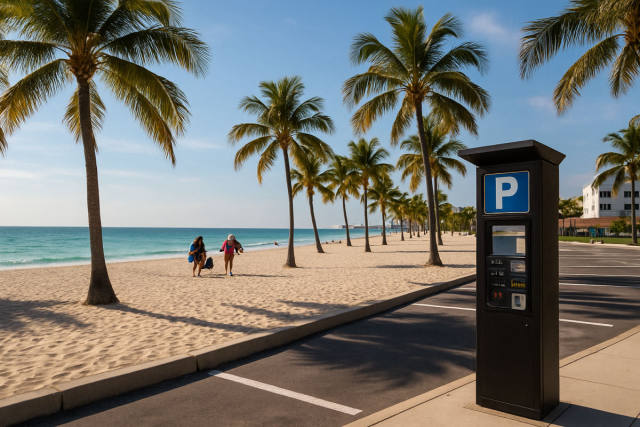
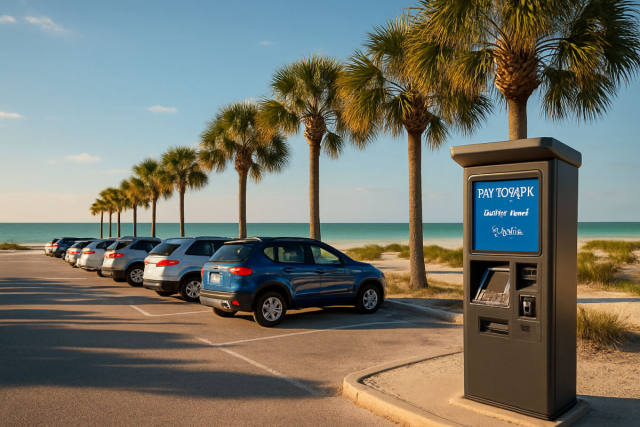
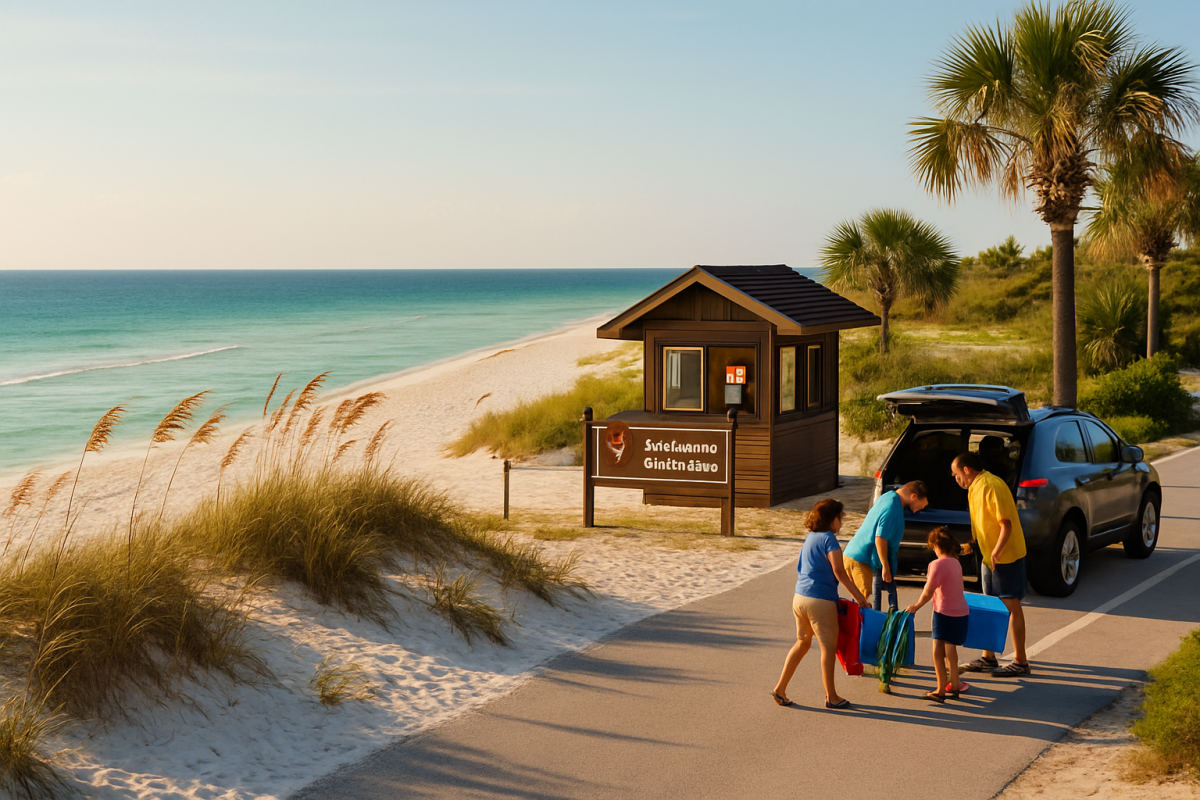
Four Florida areas collect an entrance fee: Fort Pickens, Opal Beach (within the Santa Rosa Area), the Okaloosa Area, and the Perdido Key Area (Johnson Beach). A standard seven-consecutive-day vehicle pass costs $25, a motorcycle pass runs $20, and pedestrians or cyclists pay $15 per person. If you plan to return throughout the year, a Gulf Islands annual pass is $45 and is valid for twelve months from purchase. You can buy passes online through Recreation.gov, at any Florida entrance station, or — if you're visiting the Mississippi side — at the Davis Bayou Campground office. Note that passes are non-refundable and non-transferable, and rangers will check your ID at the gate, so have both ready. Also worth knowing: a pass gets you in, but it doesn't guarantee you a parking spot. During peak season, popular areas like Fort Pickens fill up fast — the park recommends arriving before 10 a.m. on weekends and holidays, and mid-week visits are generally far more relaxed.
The Free Areas — No Pass Required
Two Florida areas are completely free to visit. Naval Live Oaks, near Gulf Breeze, is a fee-free day-use area open from 8 a.m. to sunset, offering over seven miles of hiking trails through one of America's oldest federally protected forests, plus picnic tables, grills, and calm water access along Santa Rosa Sound and Pensacola Bay. Fort Barrancas sits within Naval Air Station Pensacola — no park entrance fee is required, though you'll need to follow base access procedures to get there. Both are genuinely worthwhile stops, especially if you're not planning a beach day and just want to explore the park's history and ecology without spending a dime.
America the Beautiful Pass: Your Best Value Tool
Gulf Islands National Seashore fully accepts the entire America the Beautiful interagency pass series, and any valid pass waives all entrance fees at the four Florida fee areas. The standard annual pass costs $80 for U.S. residents and covers the pass holder and all passengers in a single private vehicle — or up to four adults at sites that charge per person. That means one pass covers a carload of family or friends for an entire year across more than 2,000 federal recreation sites nationwide.
The pass family also includes several reduced-cost and free options worth knowing about:
- Senior Pass (age 62+): U.S. citizens and permanent residents can get an annual version for $20 or a lifetime pass for $80. The Senior Pass may also provide a 50% discount on some amenity fees like camping.
- Military Pass: Active-duty U.S. military members, their dependents, veterans, and Gold Star Families are eligible for a free annual pass with proof of eligibility.
- Access Pass: A free lifetime pass for U.S. citizens and permanent residents with a permanent disability.
- Every Kid Outdoors (4th Grade) Pass: Free for fourth graders and their families for the school year — a great reason to plan a fall or spring break trip.
As of late 2025, all America the Beautiful passes are also available in a fully digital format through Recreation.gov, so you can store your pass on your phone. Keep in mind that even with a valid pass, entry is always first-come, first-served — the pass doesn't hold a space for you when an area reaches capacity. Always confirm current pass options and eligibility requirements at nps.gov before your visit, as program details can change.
Camping: A Separate Fee Layer
Fort Pickens Campground is the Florida side's only campground, tucked on Santa Rosa Island between the Gulf and Pensacola Bay. It's a genuinely special place to stay — campers have around-the-clock beach access and the convenience of heated showers, flush toilets, and a dump station. Each site includes a fire pit, picnic table, and paved pad. Note that camping fees are charged on top of the park entrance fee, not instead of it. Reservations open up to six months in advance on Recreation.gov, and this campground books up quickly — especially from spring through Labor Day. Book as early as the reservation window allows. A lightweight cooling towel is a smart addition to your kit, since shade is limited on the island and the barrier-island sun hits hard.
Practical Tips Before You Go
- No overnight parking is permitted in any day-use area. All visitors except registered campers must exit by sunset (around 8 p.m. in summer months).
- Dogs are not allowed on any beach or inside the forts, even on leash — plan accordingly.
- Glass containers are prohibited throughout the park.
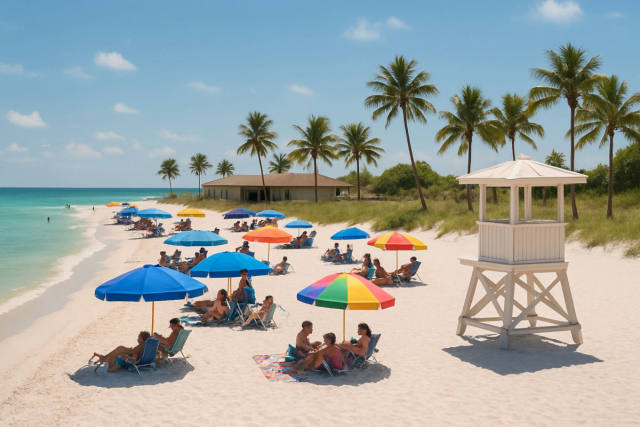
- The islands are exposed and largely shadeless. Bring plenty of water and sun protection. A wide-brim hat goes a long way on those open stretches of sand.
- If you're skipping the car altogether, the Pensacola City Bay Ferry runs to Fort Pickens from Pensacola Beach — a scenic and practical option during busy periods.
- Fees, hours, and pass program details do change — always check the official Gulf Islands National Seashore fees page at nps.gov/guis before finalizing your plans.