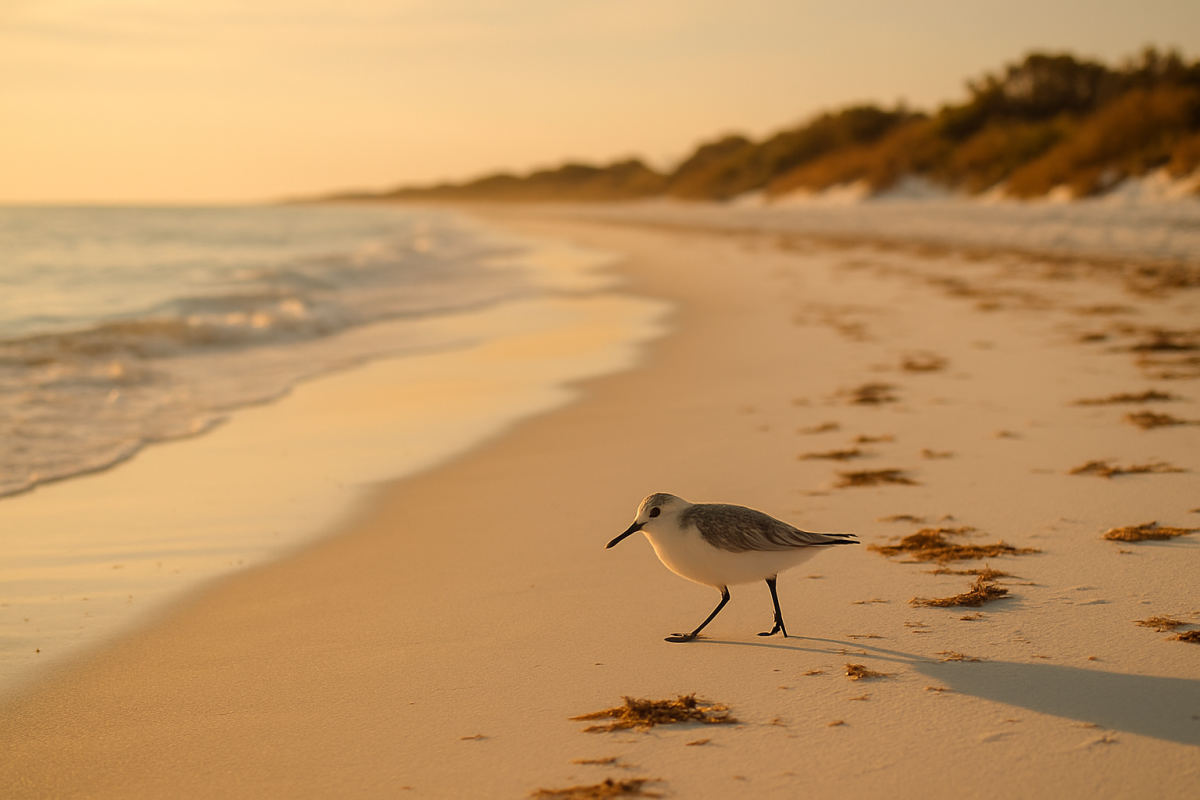
Each fall, one of North America's most quietly remarkable wildlife events unfolds on Florida's sandy shores. Piping plovers — pebble-sized shorebirds with orange legs, sandy backs, and a soft, ventriloquist-like peep-lo call — descend on the state's beaches to spend the winter, arriving as early as late July or August and often lingering until late April or even early May. They don't nest here. Florida is purely their off-season sanctuary: a place to eat, rest, and rebuild the energy reserves they'll need for the long flight back to breeding grounds from the Great Plains to the Atlantic coast. As the Florida Fish and Wildlife Conservation Commission notes, piping plovers spend a remarkably large portion of their year here in the Sunshine State.
Why Florida Matters — and Why the Birds Are Rare
Fewer than 8,000 piping plovers remain in the world. All three North American breeding populations — Atlantic Coast birds, Great Plains birds, and the critically small Great Lakes population — funnel into the Gulf and Atlantic coasts for winter, with Florida beaches serving as some of their most important stopover and wintering grounds. The species is listed as Threatened under the federal Endangered Species Act and under Florida's own Endangered and Threatened Species Rule. (Great Lakes-bred birds carry the even heavier Endangered designation on their breeding grounds.) Beach development has steadily shrunk the available wintering habitat, and human disturbance — even unintentional, casual disturbance — is a documented threat: research has shown that repeatedly flushing wintering plovers forces them to burn precious energy reserves, which can reduce their survival rates.
Where to Look: Top Sites
The stretch of Gulf Coast from the Tampa Bay area south toward Fort Myers has become recognized as especially productive piping plover territory in winter. Here are the standout spots:
- Fort DeSoto Park (Pinellas County): Widely considered the premier shorebird site in Florida, Fort DeSoto's back lagoon and shell-strewn wrack lines attract piping plovers alongside Wilson's and snowy plovers. The North Beach area draws birders, but the quieter bay-side flats are where the real plover action tends to happen. Midweek visits on calm winter mornings are ideal.
- Anclote Key Preserve State Park (near Tarpon Springs): Accessible only by private boat, this undeveloped barrier island hosts piping plovers regularly. The key drawback is weekend boat traffic, which can push birds off the beach entirely — early-week, early-morning visits by kayak or charter are worth planning. The park is home to at least 43 bird species and has a historic 1887 lighthouse for scenery between scans.
- Caladesi Island State Park (Dunedin): Reachable by ferry from Honeymoon Island State Park, Caladesi is one of the few essentially undeveloped barrier islands remaining on Florida's Gulf Coast. Its white-sand shores and tidal flats provide classic piping plover foraging habitat. Check ferry schedules and current hours before you go, as they vary seasonally.
- Bunche Beach Preserve / San Carlos Bay (Fort Myers area): This protected mangrove-and-beach system in Lee County is one of the most reliably productive shorebird beaches in Southwest Florida. Piping plovers forage alongside Wilson's, black-bellied, and semipalmated plovers. Low tide is the magic window — birds spread across exposed sandbars and tidal flats, and early mornings add the bonus of birds moving to and from inland roosts.
- Three Rooker Bar (Tampa Bay): This remote sandbar is a consistent winter address for piping plovers, though like Anclote Key, weekend boat congestion can scatter the birds. If you're headed out anyway, the lack of development makes it feel genuinely wild.
Florida's Atlantic coast also hosts wintering birds — the Florida Keys have been documented as a wintering location for birds from all three breeding populations — so if you're birding the east coast, keep an eye on tidal flats and shell beaches from the Space Coast southward.
How to Spot One
Piping plovers are masters of camouflage. Their pale sandy-gray backs match dry beach sand almost perfectly, and in winter plumage the bold black forehead bar and neck band of summer are replaced by faint dusky smudges. Look for the orange legs — even in winter, when the color fades to pale yellow-orange, the legs are warmer-toned than those of the similar snowy plover. The birds forage with a distinctive run-stop-peck style, dashing a few steps, freezing, then pecking at tiny invertebrates along the waterline and wrack line. Spotting one in a mixed flock of sandpipers often comes down to that stop-and-wait behavior more than the bird's color. A good pair of binoculars is essential — compact birding binoculars are your single most useful tool on a plover beach.
The Federal Threatened Status: What It Means for Visitors
The Endangered Species Act doesn't just protect piping plovers from harm — it protects their wintering habitat too. Wintering areas in Florida can be posted with protective signage, and if you see fenced or roped sections on a beach, those markers are legally meaningful: entering them or disturbing birds within them can constitute a federal violation. Dogs on beaches where plovers forage can scatter birds repeatedly, burning critical energy the birds need for migration. Keep dogs leashed whenever birds are present, and if you're at a managed beach, confirm the current pet policy before bringing one along.
Viewing Etiquette That Genuinely Matters
The rule of thumb is simple: if a bird looks up from foraging and watches you, you're already too close. If it starts walking away or takes flight, you've caused a flush, and each flush costs the bird energy it cannot easily replace before its spring migration. Stay well back and let your binoculars do the work. Never pursue a bird to get a closer look, and never use playback calls to attract plovers. Keep food secured and carry out your trash — loose food draws the gulls, crows, and raccoons that prey on shorebirds. If you spot a bird wearing colored leg bands or an alphanumeric flag, note the date, location, and band colors on each leg and report your sighting: Florida Audubon recommends sharing observations through the Florida Banded Bird Resightings community, and the North American Bird Banding Laboratory accepts reports directly. These citizen sightings are a genuine scientific contribution — researchers use them to track individual birds across thousands of miles and years.
Practical Planning Tips
- Timing: November through March is peak viewing, when birds are settled on their winter grounds and beach crowds are thinner. Birds may still be present in April and into early May.
- Tides: Low tide exposes the tidal flats and sandbars where plovers concentrate to feed. Time your visit around the low-tide window — most beach parks list tide tables or you can check NOAA's tide predictions online.
- Light: Morning light from the east is ideal for viewing birds on the Gulf Coast, where you'll be facing east toward the shoreline from the beach.
- eBird: The Cornell Lab of Ornithology's free eBird app shows recent piping plover sightings by location. Checking local sighting reports a day or two before your visit can save hours of searching.
- Sun and heat: Even in winter, Florida's beach glare is intense. A UV cooling towel and polarized sunglasses make a long beach session far more comfortable.
Piping plovers are one of those wildlife encounters that rewards patience and preparation. Find the right beach at low tide on a calm winter morning, give the birds plenty of room, and you may find yourself watching one of North America's rarest shorebirds forage at your feet — which, in a state full of wildlife spectacles, is still something genuinely worth seeking out.