An invasive fish that can burrow into mud, survive droughts, and tolerate conditions that would kill most aquatic creatures is quietly reshaping life in the Florida Everglades — and a new scientific study is sounding the alarm for native amphibians. The Asian swamp eel, Monopterus albus, was first detected in Florida in 1997, likely introduced through releases from the aquarium trade and live fish markets. By 2007, it had worked its way from canals near Homestead into Everglades National Park's Taylor Slough, and it has been expanding its footprint ever since.
Researchers from the University of Miami, the South Florida Water Management District, and Florida International University surveyed 30 sites across four major Everglades regions during the summer of 2022, documenting more than 2,200 individual amphibians across nine species. While soil nutrient levels initially appeared to be the biggest factor in amphibian distribution, the data told a different story once eel presence was factored in — higher Asian swamp eel numbers consistently correlated with fewer frogs and salamanders and a noticeably altered wetland community overall. The findings were published in the journal Freshwater Biology.
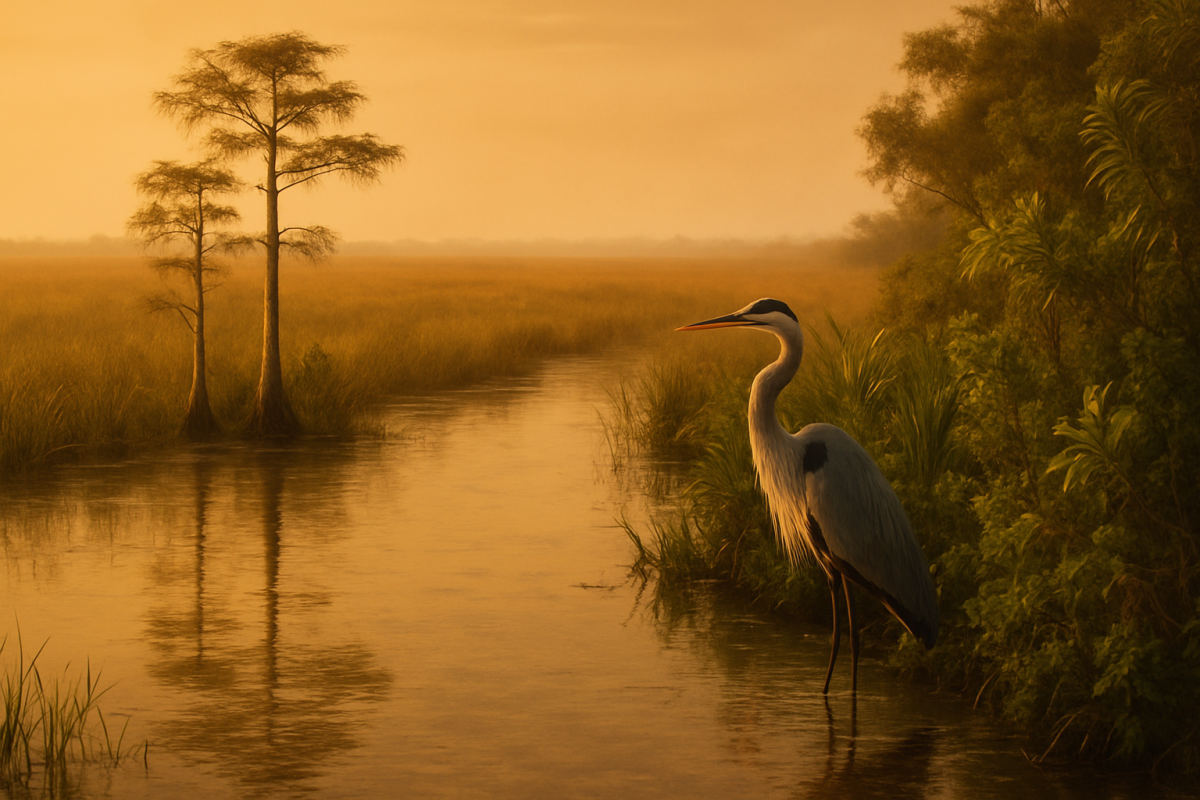
The species has already been linked to serious declines in native fish and crayfish populations in the Everglades — prey that wading birds like herons and cranes depend on. The U.S. Fish and Wildlife Service classifies the Asian swamp eel as high-risk, noting its documented history of damaging rice fields and aquatic ecosystems in the Philippines and Japan. The eel's ability to breathe air and survive dry conditions makes it particularly difficult to control, and particularly dangerous in a wetland ecosystem that experiences seasonal drying.
Florida isn't the only state dealing with established Asian swamp eel populations — the species has also taken hold in Georgia and New Jersey, and has been present in Hawaii for decades, according to the U.S. Geological Survey. In the Everglades, researchers say the priority now is closely monitoring amphibian populations while working to slow the eels' spread, with the broader goal of protecting the fragile food web that Florida's native frogs and salamanders help sustain.
This story was originally reported by Fox Weather.