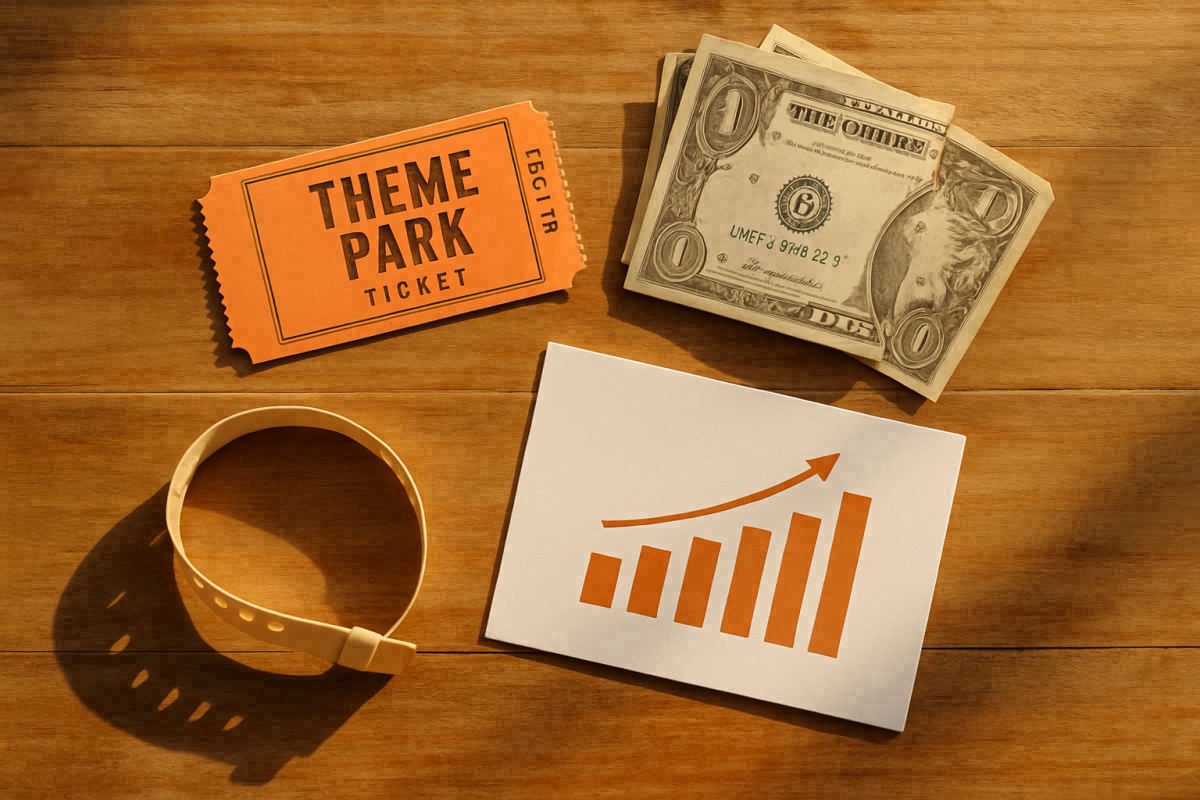
Walt Disney World and Disneyland Resort welcomed slightly fewer domestic visitors in the second fiscal quarter of 2026, yet the company's American theme-park business still grew. Disney reported a 1% year-over-year decline in domestic park attendance for the quarter ending March 28, while spending per guest rose 5%, driven by admissions, food and beverages, and merchandise. Domestic Parks and Experiences revenue reached $6.917 billion — up 6% — and operating income grew 5% to $1.909 billion.
Disney attributed part of the attendance softness to a continued pullback in international visitation, and the company said it expects domestic attendance comparisons to improve in the third fiscal quarter. The results do not point to a crisis, but they do reveal something meaningful for families planning a trip: Disney's financial health no longer depends on packing its parks.
That dynamic shapes how Disney approaches pricing. Because higher per-guest spending can offset a modest dip in headcount, there is less immediate financial pressure on the company to broadly lower its prices. Promotions — discounted hotel rooms, free children's dining, complimentary water-park access — have appeared in 2026, though those deals often come with conditions such as minimum stays or qualifying hotels.
The full cost of a Walt Disney World vacation stretches well beyond the park ticket. Families must also weigh hotel nights, meals, transportation, parking, and optional extras like Lightning Lane passes. Magic Kingdom tickets have crossed $200 on select dates, and Lightning Lane Premier Pass has reached as much as $449 per person during peak periods at that park — though date flexibility and less expensive pass tiers exist for budget-conscious travelers.
The longer-term question is whether the gap between what families want to spend and what a complete Disney vacation costs will continue to widen. For now, the numbers show that slightly fewer visitors and stronger financial performance can coexist — which means families should not count on a drop in attendance automatically triggering broader price cuts. This analysis is based on reporting by Disney Fanatic.