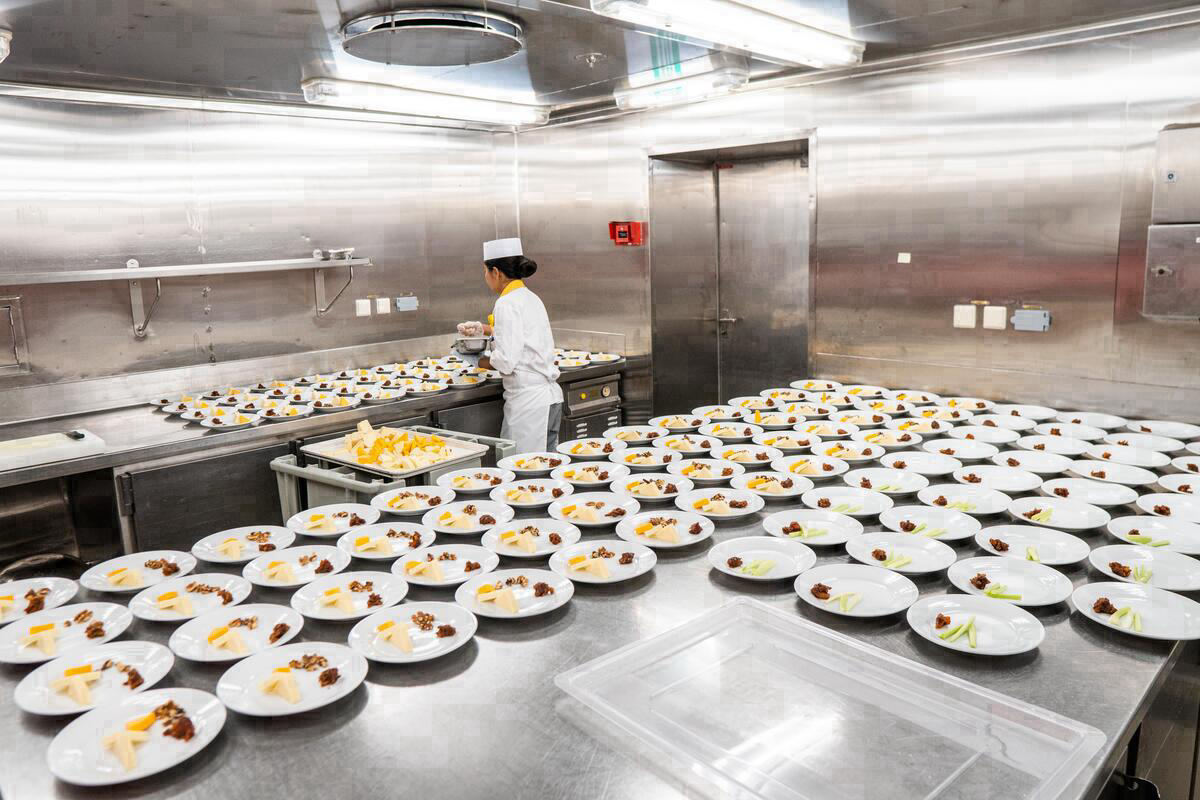
Royal Caribbean has officially surpassed a sustainability milestone it set for itself back in 2019: reducing food waste across its 30-ship fleet by 50%. Speaking to travel agents, Senior Vice President of Food and Beverage Linken D'Souza announced the line had actually cleared that bar by two points, landing at a 52% reduction — and said the work isn't finished.
Getting there required a multi-layered approach. Royal Caribbean built a proprietary platform to forecast food needs and cut over-ordering, introduced AI tools to adjust production in real time, and created a dedicated onboard food waste role responsible for monitoring and training crew. By early 2024, the effort had already trimmed waste by about 33%, saving tens of millions of dollars annually — even before hitting the final target.
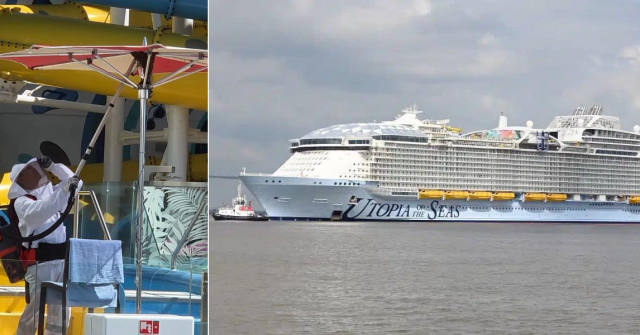
The technology gets especially sophisticated on the line's Icon Class ships, including Icon of the Seas, where an AI system predicts ingredient-level needs voyage by voyage. That precision helped the ship use more than 85% of its onboard food supply. Food that still goes unconsumed doesn't necessarily end up in the trash, either — some is brought to the crew buffet, and bio-waste along with cardboard is converted into pellets that generate steam power for onboard amenities, including the Category 6 Waterpark.
The food waste initiative sits within Royal Caribbean Group's broader Destination Net Zero strategy, which aims to fully decarbonize operations by 2050 and deliver a net-zero cruise ship by 2035. The company also wants to reduce carbon intensity by 15% by 2027 from a 2024 baseline. Its luxury Silversea Cruises brand already operates Silver Nova, a hybrid vessel that runs on LNG, a fuel cell system, and batteries and produces zero emissions while in port.
This story was originally reported by Royal Caribbean Blog.