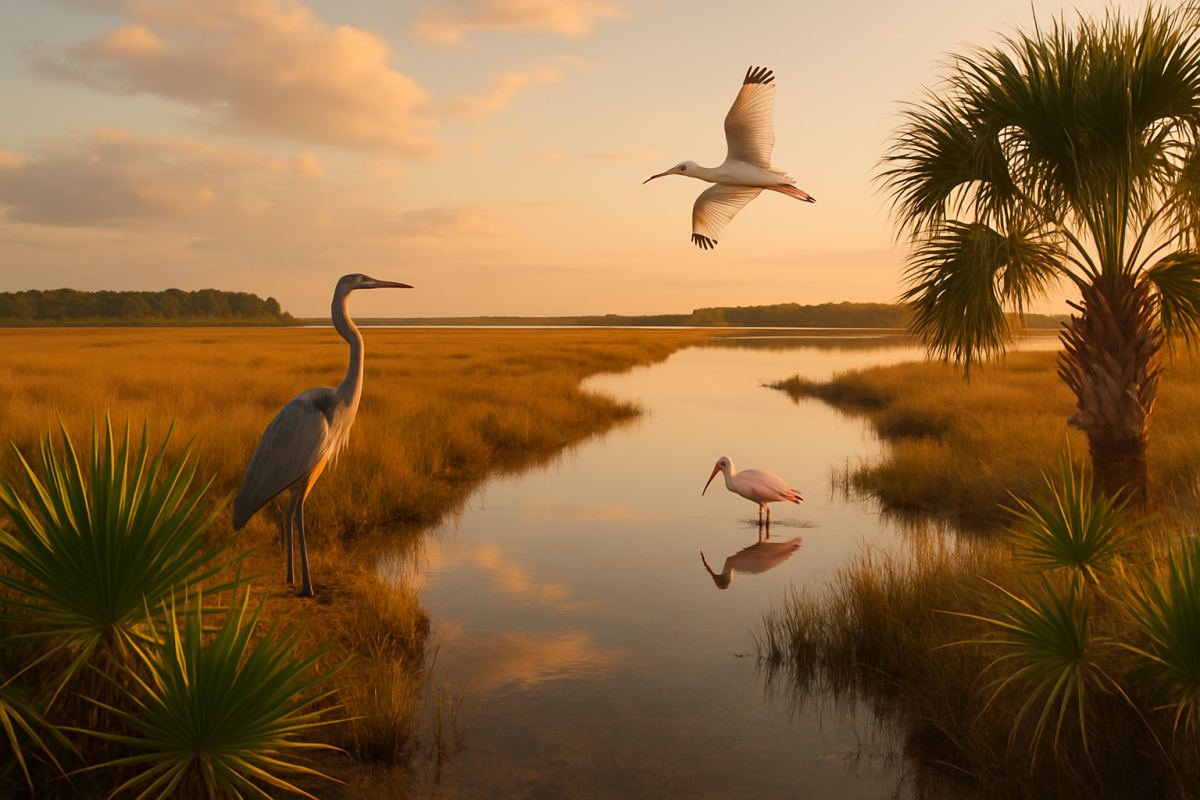
Merritt Island National Wildlife Refuge occupies one of the most improbable real estate arrangements in the country: 140,000 acres of pristine Florida wilderness layered directly on top of NASA's Kennedy Space Center. The result is a place where roseate spoonbills wade in the shadow of rocket gantries and manatees drift through canals that once served the Apollo program. If you haven't been, you're missing one of the best free-ish wildlife experiences in the entire state.
The Lay of the Land
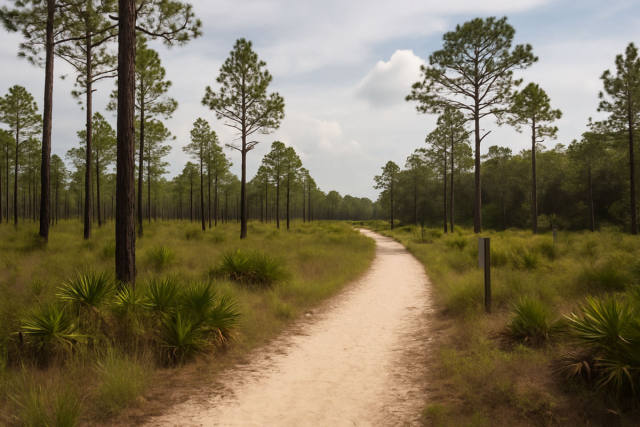
The refuge sits about 60 miles east of Orlando on Florida's Space Coast, just across the Indian River from Titusville. It spans coastal dunes, saltwater marshes, freshwater impoundments, scrub, pine flatwoods, and hardwood hammocks — a habitat mosaic that supports more than 1,500 species of plants and animals, including over 330 species of birds and 15 federally listed threatened or endangered species. That ecological richness is why Merritt Island is a designated gateway site on the Great Florida Birding Trail, drawing serious birders from around the world every winter.
Black Point Wildlife Drive: The Crown Jewel
The seven-mile, one-way Black Point Wildlife Drive is the centerpiece of any visit. The road winds along a raised dike through shallow saltwater impoundments and pine flatwoods, with 12 numbered stops that correspond to a free interpretive booklet — pick one up at the visitor center or the self-pay kiosk at the drive's entrance. Plan on at least 45 minutes to an hour by car; on foot or by bike, you'll want a full morning.
A Refuge Pass is required to enter. The daily vehicle pass is $10, or you can purchase an annual pass for $25 — both available online at Recreation.gov, at the visitor center, or via cash-only self-pay stations at the entrance. If you already carry a Federal Duck Stamp or an America the Beautiful Interagency Pass, you're covered at no extra charge. Note that buses and vehicles over 29 feet are not permitted on the drive.
Wildlife you're likely to spot includes wading birds (great blue herons, tricolor herons, reddish egrets doing their signature dancing run), waterfowl, ospreys, bald eagles, river otters, white-tailed deer, and alligators. The gators are the ones most first-timers forget to expect — don't be surprised to find a big one sunning on the dike road itself. Birding is good year-round, but the peak window runs from October through March, when migrating waterfowl swell the impoundments and species diversity is at its highest. Waterfowl numbers peak between November and February. Whenever you go, early morning or late afternoon will give you the most active wildlife and the best light for photography. Midday in summer is noticeably slower.
A short spur trail called the Cruickshank Trail, about 3.5 miles into the drive, offers a five-mile walking loop through the same marsh habitat if you'd like to get out of the vehicle entirely.
Haulover Canal: Manatee Central
The Manatee Observation Deck at Haulover Canal is one of the easiest and most rewarding wildlife stops in Florida, and it's completely free. The deck sits on the north side of the Haulover Canal bridge along State Road 3 in the northern part of the refuge, where the Indian River Lagoon and Mosquito Lagoon connect through a short, sheltered waterway. Manatees frequently congregate here — the calm, relatively warm canal water seems to suit them, and on any given warm morning you can spot several surfacing just a few feet below the railing. The deck has benches, interpretive signage, and kid-friendly exhibits. One tip seasoned visitors swear by: wear polarized sunglasses to cut the glare and spot manatees grazing near the bottom before they surface.
Manatee sightings are most reliable when the water temperature stays above 70°F, which makes spring, summer, and fall the most dependable seasons. Winter visits are hit-or-miss — in a cold snap, the animals head for the warm-water discharge areas near power plants — but mild winter days can still yield excellent viewing. The canal itself is open during daylight hours. There are no restrooms at the observation deck, though facilities are available nearby at Bairs Cove (a fee area). If you want to linger longer around the canal, Bairs Cove is also worth a stop: a quiet cove off the canal where manatees and dolphins occasionally appear, and where several outfitters launch bioluminescence kayak tours on summer evenings.
polarized sunglasses for wildlife and water viewingThe NASA Factor: Plan Around Launch Windows
Here's the logistical wrinkle that catches visitors off guard: because the refuge sits on an active NASA installation, portions of it can be closed with little advance notice around rocket launches. The standard procedure is that refuge roads close approximately one hour before a scheduled launch time. Closures can affect Black Point Wildlife Drive, Bio Lab Road, and other areas depending on the specific launch and security corridor involved. With the current pace of launches from Kennedy Space Center and Cape Canaveral Space Force Station — including frequent SpaceX Starlink missions — this happens regularly enough to factor into your trip planning.
Before your visit, check the refuge's official page at fws.gov/refuge/merritt-island and follow the Merritt Island NWR social media accounts for closure announcements. The Kennedy Space Center launch schedule is also publicly available and updated frequently. If a launch is scheduled the morning of your planned visit, consider going to the Haulover Canal observation deck instead — that area may have different access than the fee areas — or simply shift your drive to the afternoon, as launch windows often pass quickly. A scrubbed launch, of course, means the refuge reopens just as fast as it closed.
Visitor Center and Practical Details
The Merritt Island NWR Visitor Center, located on SR 402 about five miles east of Titusville, is worth a stop before you head out. It's open Tuesday through Saturday from 8:00 a.m. to 4:00 p.m. (closed Sunday, Monday, Thanksgiving, Christmas, and New Year's Day). Inside you'll find habitat exhibits, an 18-minute orientation film, a bookstore, restrooms, and a short accessible boardwalk trail around a freshwater pond — a great warm-up for the day. In winter, painted buntings often visit the feeders outside. The refuge itself is open daily from sunrise to sunset.
- Entrance fee: $10/vehicle daily pass; $25 annual pass; $10/person for pedestrians and cyclists. Federal Duck Stamps and Interagency Passes are accepted.
- Best season for birds: October through March; waterfowl peak November through February.
- Best time of day: Early morning or late afternoon. Avoid midday in summer.
- Manatee viewing: Year-round at Haulover Canal; most reliable when water is above 70°F.
- NASA closures: Check fws.gov/refuge/merritt-island before you go — roads can close up to one hour before a scheduled launch.
- What to bring: Binoculars, sunscreen, insect repellent, water, and exact change if the visitor center is closed. Bug pressure is real in all seasons.
Local tip: If you're planning a winter visit, pair Black Point Wildlife Drive in the morning with the Haulover Canal manatee deck afterward — it's an easy 15-minute drive between the two and makes for a full, deeply satisfying wildlife day that costs no more than the price of your vehicle pass.