Florida's warm climate and diverse ecosystems make it home to some of the most iconic — and potentially dangerous — wildlife in the country. Residents and visitors alike can encounter everything from alligators in retention ponds to sharks in coastal waters, so knowing how to respond matters.
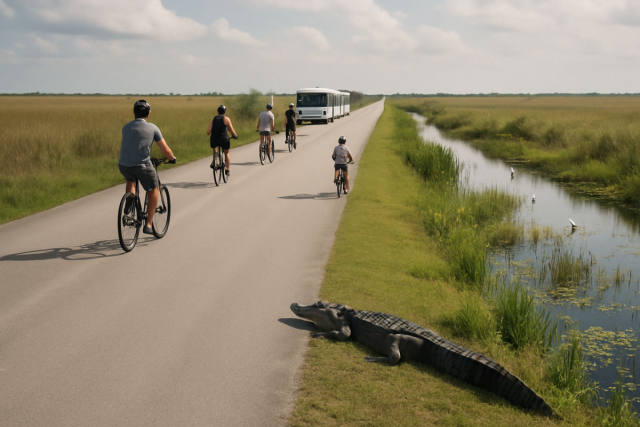
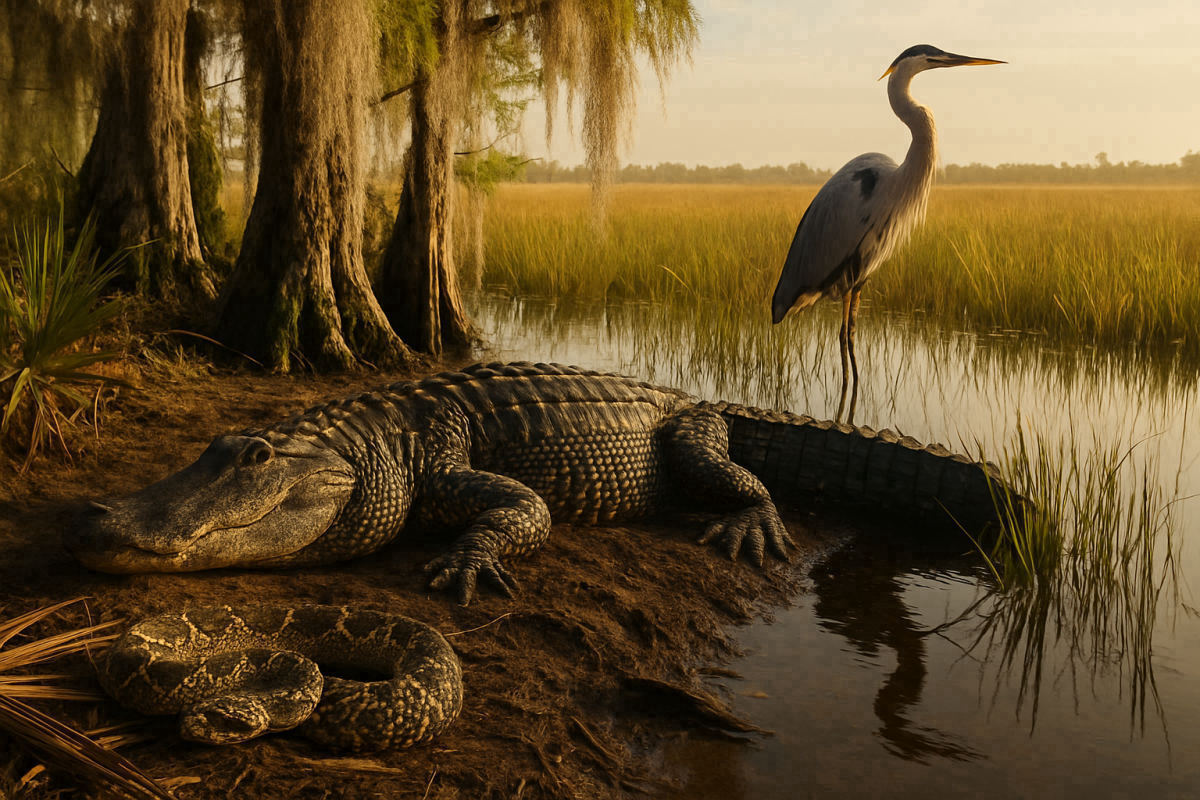
Alligators are among the most commonly encountered large predators in the state, turning up in lakes, rivers, golf course ponds, and even suburban neighborhoods. Experts consistently advise keeping a safe distance, never feeding them, and staying away from the water's edge at dawn and dusk when gators are most active.
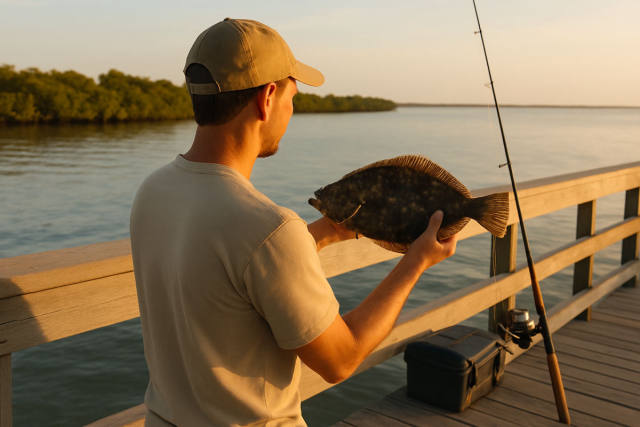
Sharks are another concern for beachgoers, particularly in areas with active bait fish. Avoiding the water during low-light hours, staying out when bleeding, and steering clear of fishing piers can all reduce risk. Florida's venomous snake species — including the eastern diamondback rattlesnake and the cottonmouth — are best left completely alone if spotted on a trail or in a yard.
The common thread across all of Florida's hazardous wildlife encounters is awareness: understanding which animals share your environment and giving them the space they need goes a long way toward preventing conflict.
This report was produced by Florida Today.