Everglades National Park stretches across 1.5 million acres of South Florida, combining sawgrass marshes, mangroves and coastal islands. The park is the third-largest national park in the contiguous United States, behind Yellowstone and Death Valley, according to the source material.
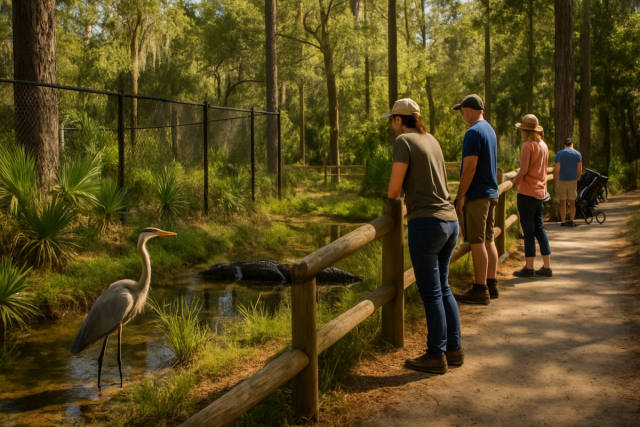
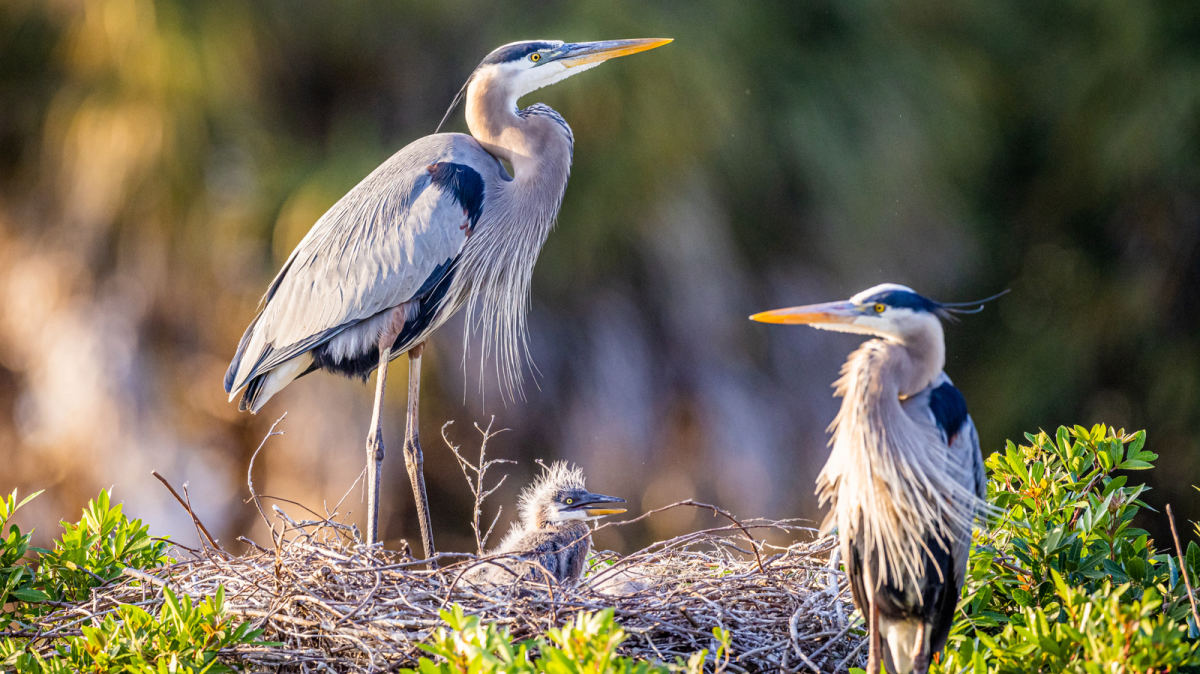
Wildlife is a central draw. The park has 36 species listed as threatened or endangered, including the Florida leafwing butterfly and Cape Sable seaside sparrow, two species found only in the area. Visitors may also encounter American alligators, American crocodiles, West Indian manatees, wading birds and roseate spoonbills. Burmese pythons, an invasive species, are also present in the Everglades.
There are three entrances: Shark Valley, Everglades City and the Homestead entrance, where the Ernest F. Coe Visitor Center is located. Flamingo Visitor Center, reached through the Homestead entrance, has visitor information, a campground, lodge and marina with boat and kayak rentals.
Visitors can explore on foot, by kayak or canoe, or on guided boat and airboat tours. The 99-mile Everglades Wilderness Waterway links Flamingo and Everglades City for a longer paddling trip. Wilderness camping is available on tent sites and elevated chickee platforms, but requires a permit.
For travelers arriving by air, Miami is the closest airport, with Shark Valley about a 45-minute drive away and the Homestead entrance roughly 50 minutes away. Fort Lauderdale is another option for reaching Shark Valley, while Everglades City also provides access to nearby Big Cypress National Preserve.