Navarre Beach Marine Park has three public artificial snorkel-reef sites: one in the Gulf and two in Santa Rosa Sound. The key is not simply picking the closest blue water. Match the site to the day’s conditions, your group’s comfort in open water, and the distance you are prepared to swim or paddle. The reefs are free and open from sunrise to sunset, but a promising forecast is never a substitute for checking conditions at the beach.
Pick the reef that fits your group
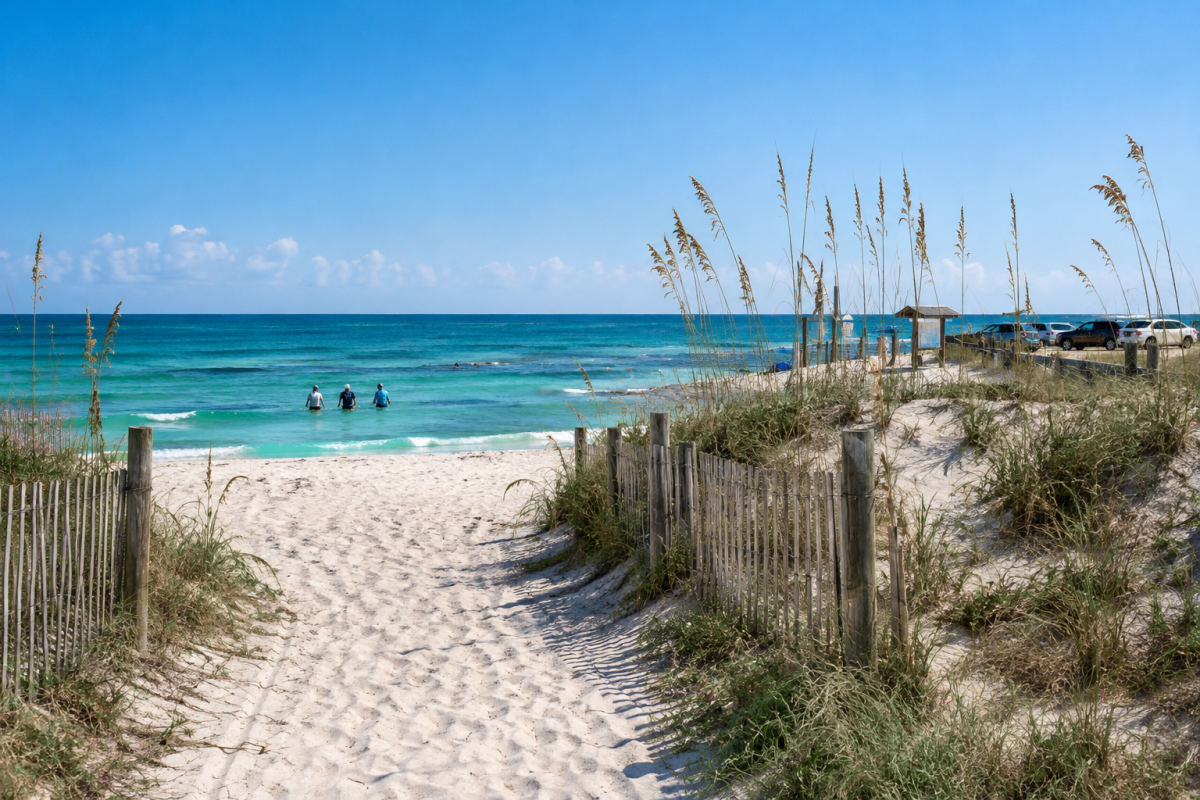
The Gulf reef is the scenic goal on a genuinely calm, clear day. It sits directly south of Sea Oat Pavilion at walkover 40F, at the far southeast end of the Marine Park. The reef is about 340 feet south of the mean tide line, just beyond the second sandbar, with 78 structures. When the Gulf is flat, the sanctuary notes that the structures may be visible from the surface. When there is noticeable surf, current, murky water or a cautionary flag, save this option for another day rather than trying to force a snorkel outing.
The East Sound reef is the practical first look for many casual snorkelers. It is northwest of Sandpiper Pavilion, about 150 feet from shore, and marked at its corners with pilings. This is the sanctuary’s smallest and most accessible site; its 28 structures sit in roughly 12 feet of water, with their tops about seven feet below the surface. It is still open water—not a pool—so children and inexperienced swimmers need close, capable supervision.
The West Sound reef is the long-distance option. It lies directly north of Red Drum Pavilion and the Navarre Beach Science Station. At about 700 feet offshore, with 77 structures in approximately 20 feet of water, the sanctuary describes it as better suited to diving than casual snorkeling. For a first-time family snorkel, the East Sound reef or a flat-day Gulf reef is the more realistic choice.
Where to park and which walkover to use
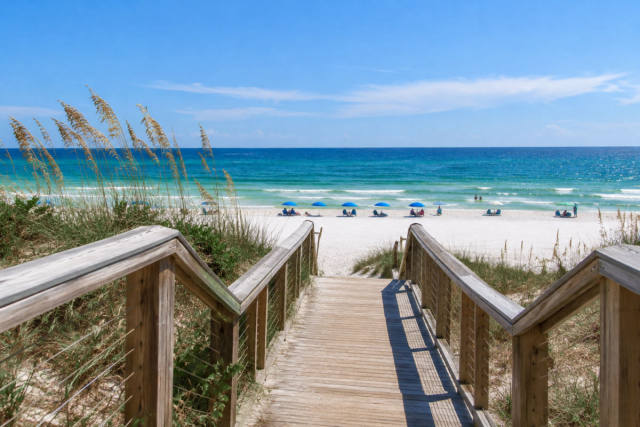
- Gulf reef: Drive to the park’s far southeast Gulf-side lot by Sea Oat Pavilion. From there, take the easternmost Scuba/Kayak boardwalk—walkover 40F—to the beach. The county’s Marine Park pavilion and reef map identifies both the 40F walkover and the nearby Gulf-side kayak launch.
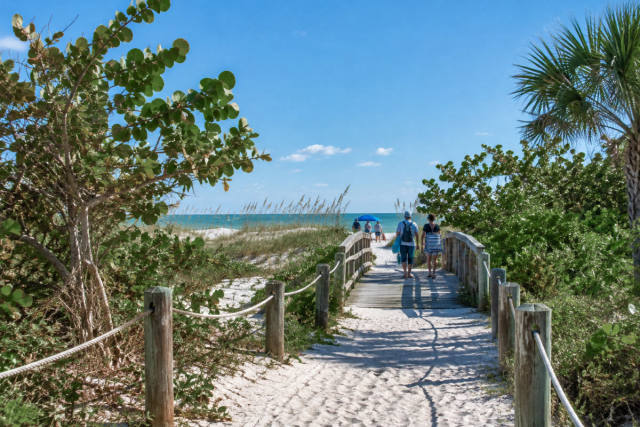
- East Sound reef: Use the north-side park area around Sandpiper Pavilion and follow the Sound-side beach access toward the marked reef. This is the reef to target by its corner pilings, not by guessing from the shoreline.
- West Sound reef: After entering the park, take the first left toward Red Drum Pavilion and the Snowy Plover area. The county map shows the Snowy Plover kayak launch nearby; it is the sensible launch point for paddlers headed toward the farther Sound reef.
All parking and restrooms shown on the county map are public, while overnight parking is prohibited. Arrive early on summer weekends, bring your gear from the car in one trip, and do not block boardwalks or launch areas while unloading. A mesh beach gear bag makes the walk from lot to water less awkward, especially when carrying fins and towels.
Lifeguards: useful, but do not overread the coverage
For the Gulf reef, 40F is the best access point from a safety-planning standpoint because Santa Rosa County lists Lifeguard Tower 1 at walkover 40F. That does not mean a lifeguard is always on duty, nor does it turn the reef swim into a guarded activity. County lifeguard towers are listed along the Gulf-side walkovers; do not assume that the Sound-side reefs have equivalent coverage. Check the county’s current-surf-status banner before leaving, then confirm the flags and speak with a lifeguard if one is present.
Make the go/no-go call before gearing up
For the Gulf, choose a day with flat water, usable visibility and no concerning surf or current warnings. Obey posted flags: red means high hazard, while double red means the water is closed. A green flag is not a guarantee of safe snorkeling; reefs, sandbars and changing wind can create conditions that deserve extra caution. Never snorkel alone, skip alcohol before entering the water, and turn back if the swim feels harder than expected. A brightly colored snorkel safety vest can make it easier for companions and boaters to spot you, but it is not a replacement for sound judgment or a properly fitted life jacket when paddling.
Practical takeaway: Start with the East Sound reef if your group wants the shortest marked swim; reserve the Gulf reef for a glassier day and use Sea Oat/40F so you are near the county’s reef-side lifeguard tower location. Check current details before you go—conditions, staffing and access procedures can change.