Parts of Florida’s Atlantic coast are under coastal flood and high-surf alerts, with dangerous rip currents and breaking waves forecast at several beach destinations from northeast Florida to Miami-Dade County.
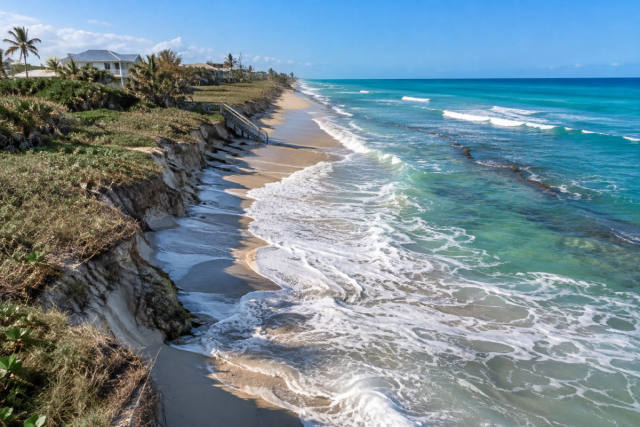
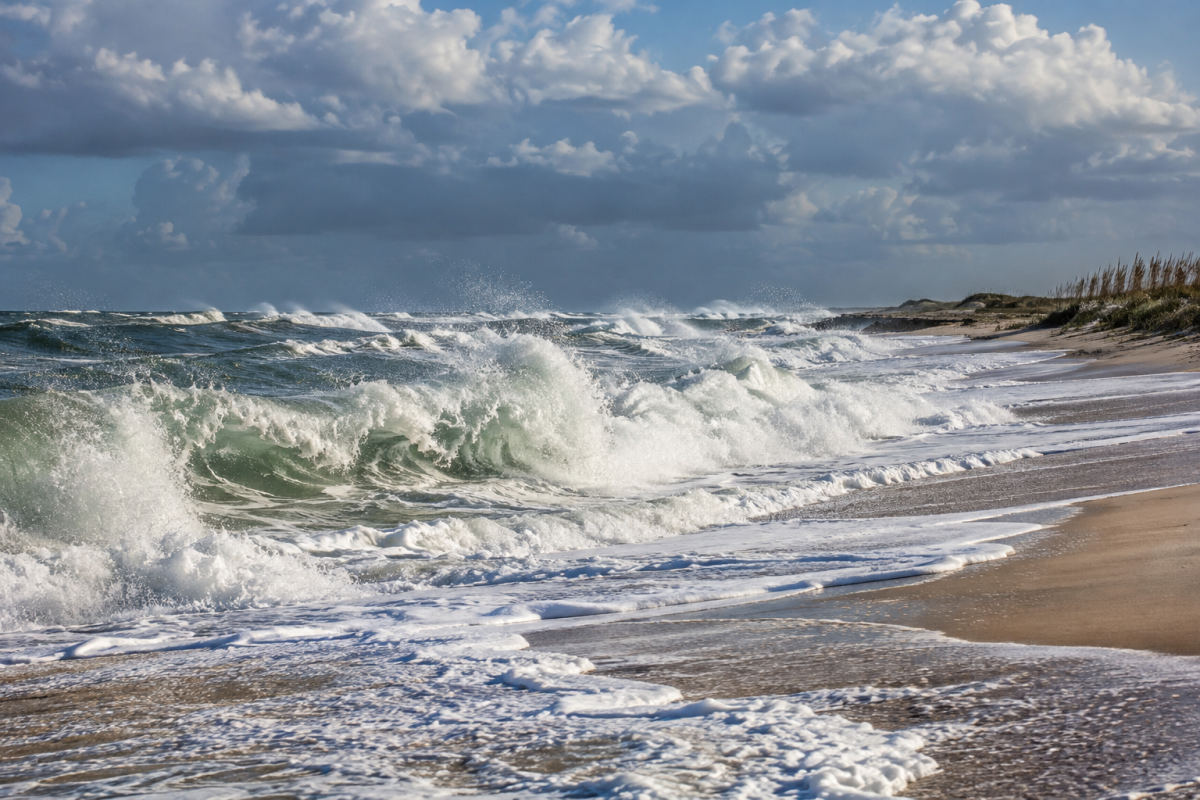
According to the National Weather Service, Palm Beach County could see breaking waves of 6 to 14 feet in the surf zone. A coastal flood warning there is scheduled through 8 p.m. Wednesday, October 28, followed by a coastal flood advisory through Thursday evening. Flooding is possible in vulnerable low-lying areas, and some roads could close where seawater inundates them.
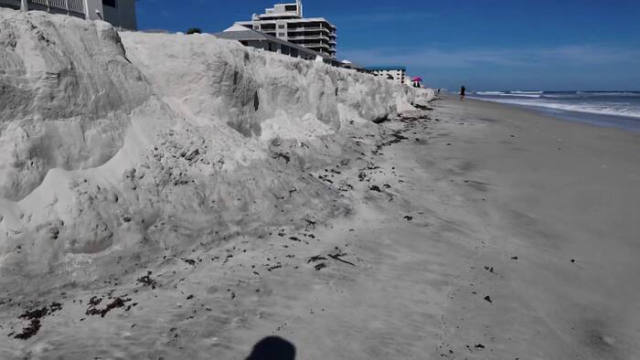
The Palm Beach County alert affects beach areas around Palm Beach, Lake Worth Beach and Delray Beach. Strong rip currents and shoreline erosion are also concerns.
In northeast Florida, coastal flood warnings cover beach communities in Nassau, Duval, Flagler and St. Johns counties, including Fernandina Beach, Atlantic Beach, Jacksonville Beach, St. Augustine and Flagler Beach. The warning is in effect until 2 a.m. Friday, October 30, with moderate flooding possible around high tide.
A high-surf advisory in the same northeast Florida area calls for breaking waves of 7 to 9 feet. The high risk of rip currents is expected to continue through Friday evening, potentially outlasting the coastal flood warning.
Coastal Broward and Miami-Dade counties are also included in National Weather Service coastal flood alerts. The agency says low-lying roads, businesses and properties could flood during periods of elevated water levels. The alerts do not establish that every beach, hotel, restaurant or attraction is closed, though access to individual waterfront areas can change if nearby roads or parking areas flood.
The National Weather Service warns that rip currents can pull swimmers away from shore, including experienced swimmers. Visitors should avoid entering the ocean where high rip-current risks are posted and follow directions from lifeguards and local authorities. The agency also advises staying away from piers, jetties and other exposed structures during large-surf conditions.
Travelers driving to coastal hotels, marinas or cruise terminals may encounter delays if high tides affect local roads. The warnings alone do not confirm airport disruptions or statewide cruise suspensions. Beach visitors can check the National Weather Service offices in Jacksonville and Miami for updated local alerts.