Florida's lakes are a beloved part of life in the Sunshine State, offering relief from the heat and a chance to connect with nature. But those same waters are home to alligators, cottonmouth snakes, and other wildlife that deserve serious respect — and a little advance know-how before you wade in.
Alligators are found in virtually every freshwater body in Florida, and while unprovoked attacks are relatively rare, the risk is real. Experts generally advise against swimming in freshwater lakes, especially at dawn, dusk, and nighttime, when gators tend to be most active. Murky water makes it harder to spot them, adding another layer of caution.
Cottonmouth water moccasins are another concern for lake swimmers. These venomous snakes are strong swimmers and tend to hold their ground rather than retreat, so giving them a wide berth is always the smart move. Scanning the water's edge and nearby vegetation before entering can help you spot one before an encounter turns dangerous.
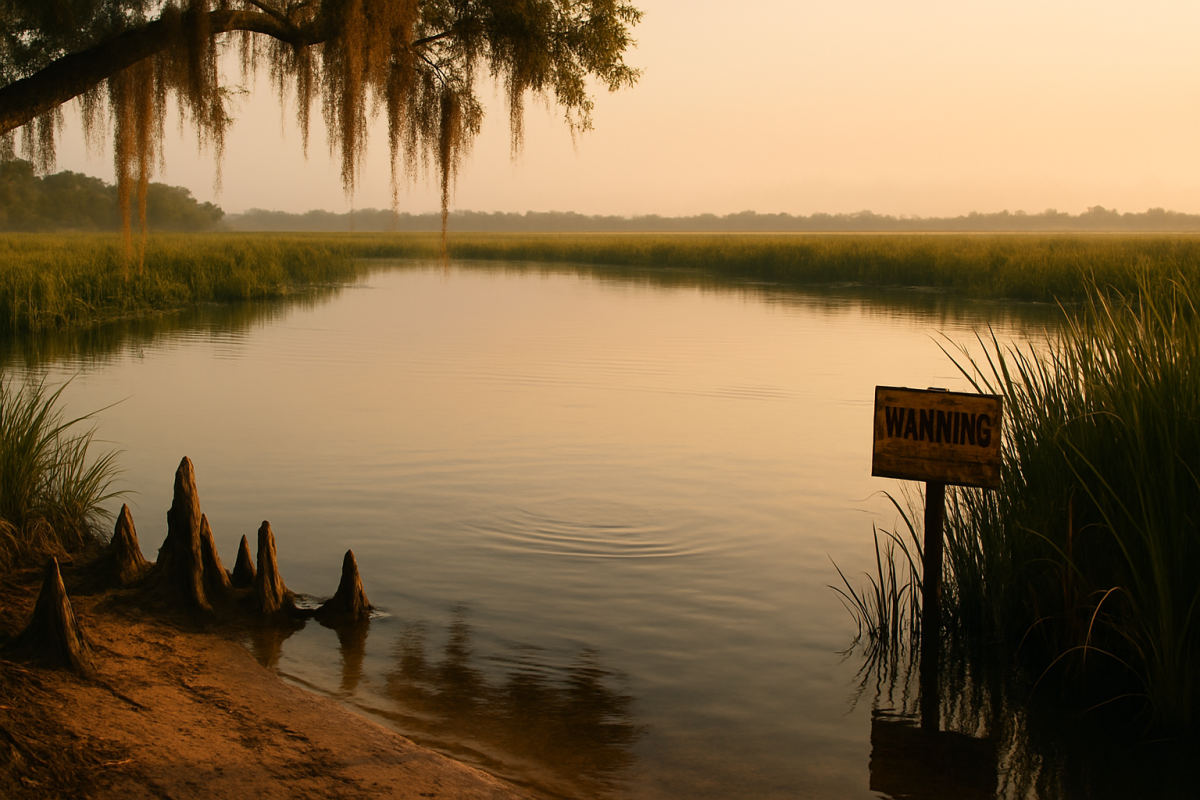
Simple habits go a long way toward keeping a swim safe: stay away from dense vegetation along the shoreline, never feed wildlife (it draws animals closer to people), keep children and pets near you, and be aware of posted signs at public swimming areas. When in doubt, designated swim zones with lifeguards and regular wildlife monitoring offer a much safer option than an unmarked stretch of lakeshore.
This safety guidance was reported by TCPalm.