NASA announced a series of contracts and mission updates for its Moon Base program during the MAX POWER aerospace expo and air show at Kennedy Space Center in Florida on Saturday.
The agency selected eight companies—Blue Origin, Firefly Aerospace, Intuitive Machines, iSpace US, Lockheed Martin Space, Northrop Grumman Space Systems, SpaceX and Voyager Technologies—to compete for future lunar delivery missions under its new Commercial Lunar Payload Services, or CLPS 2, contract. The 10-year contract has a combined maximum value of $10 billion and covers landers that would carry NASA science, technology and infrastructure payloads to the Moon.
NASA also said it is moving forward with PROMISE, a nuclear-powered rover planned for the Moon’s South Pole. The six-wheeled rover is designed to operate through long lunar nights and in permanently shadowed regions. It would drill about 3 feet below the surface to study lunar material, including ice and other potential resources. NASA is targeting a late-2028 launch and an 18-month mission.
Blue Origin received a $94 million base contract, with a performance-based option worth up to an additional $140 million, to deliver PROMISE using its Mark 1 lander. NASA said the rover will use a combination of spare flight components and engineering test models from the agency’s Curiosity and Perseverance Mars rover programs.
For transportation between Earth and the Moon, NASA awarded six task orders valued at about $1.3 billion combined through its VADR launch-services contract. Arrow Science and Technology, Blue Origin and Impulse Space will support integration and transportation of Moon Base cargo. Planned demonstrations include communications and navigation tests, a CAPSTONE 02 spacecraft mission, lunar-surface scouting drones called MoonFall, and tests of commercial orbital-transfer capabilities.
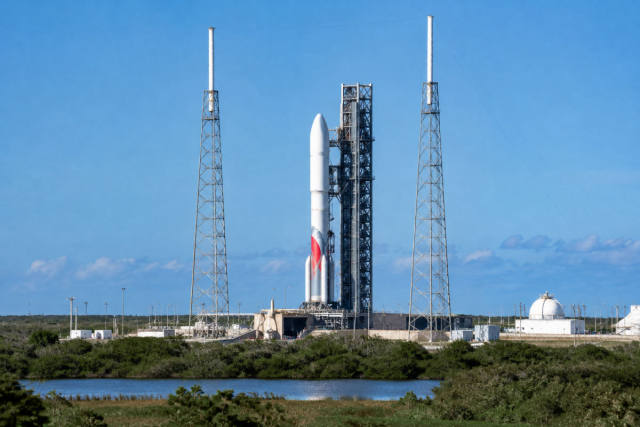
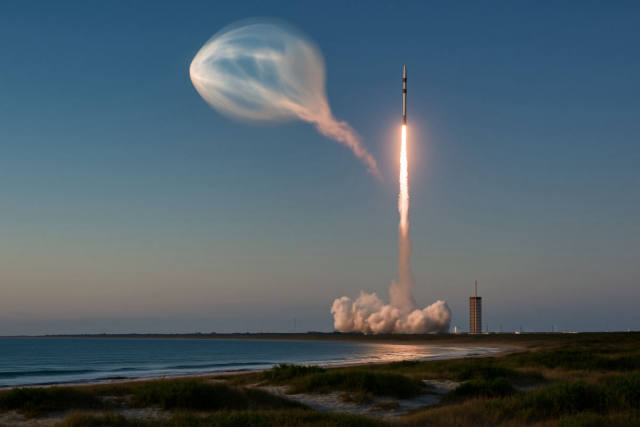
Some missions are expected to launch on Blue Origin’s New Glenn, Relativity Space’s Terran R and SpaceX’s Falcon 9 rockets. NASA also selected SpaceX for a 2028 demonstration that would launch communications satellites aboard Starship into cislunar space, the region between Earth and the Moon.
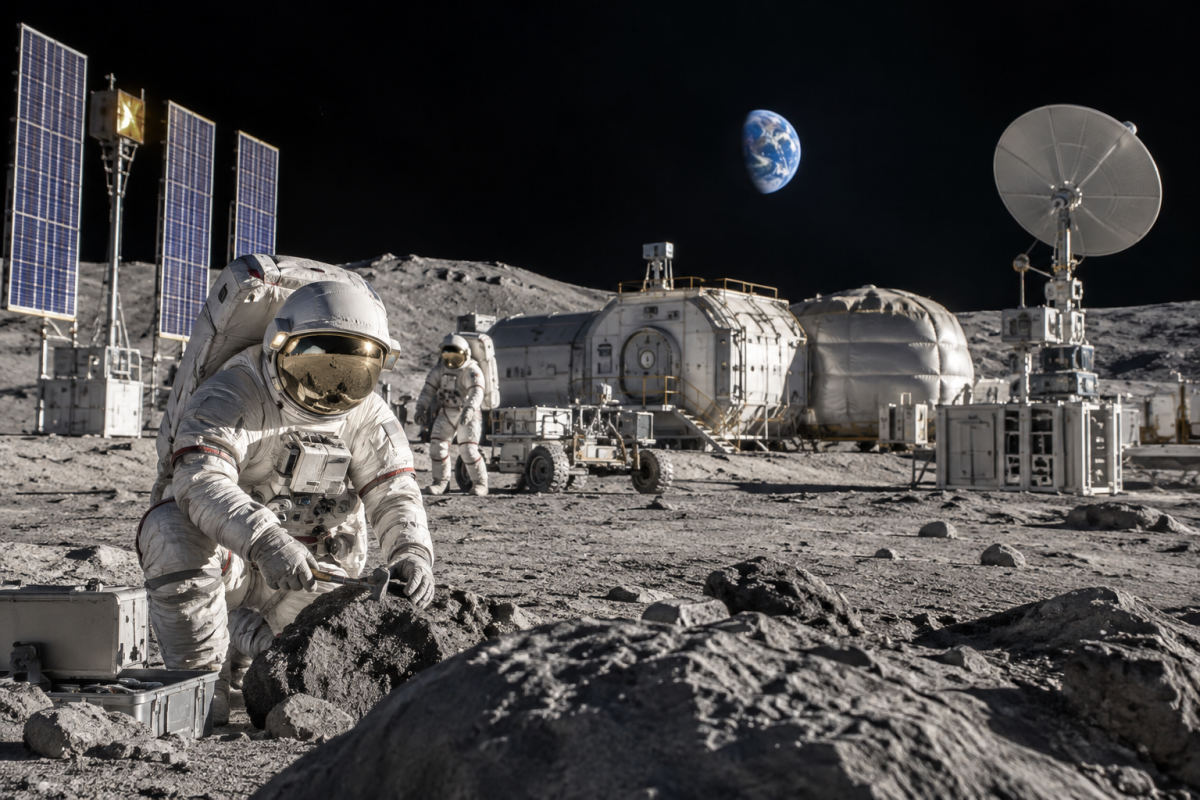
On the lunar surface, NASA plans to purchase components for a Mini-Communications and Solar Tower, known as miniCAST. Honeybee Robotics will support energy storage, Redwire power generation and Yank Technologies wireless power transfer. NASA said Marshall Space Flight Center engineers in Alabama will assemble and test the components before their delivery to the Moon.
The announcements are part of NASA’s stated effort to develop infrastructure at the Moon’s South Pole before astronauts return there. Kennedy Space Center’s Launch Services Program Office manages the VADR contracts connected to the transportation awards.