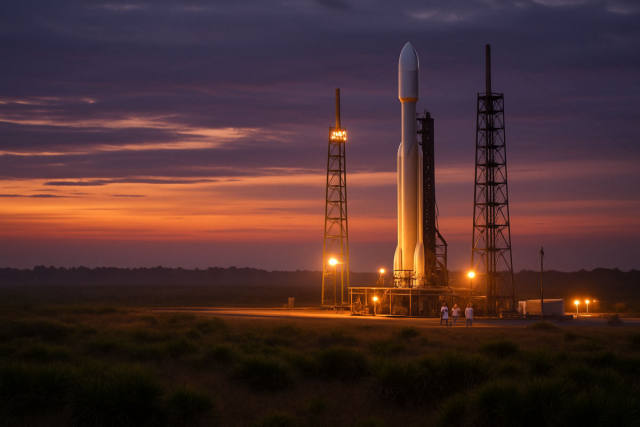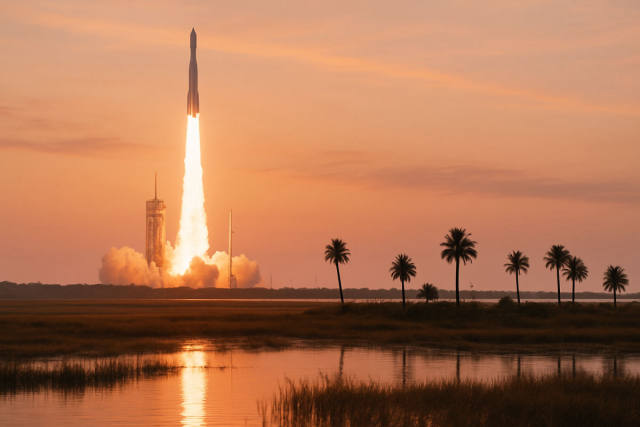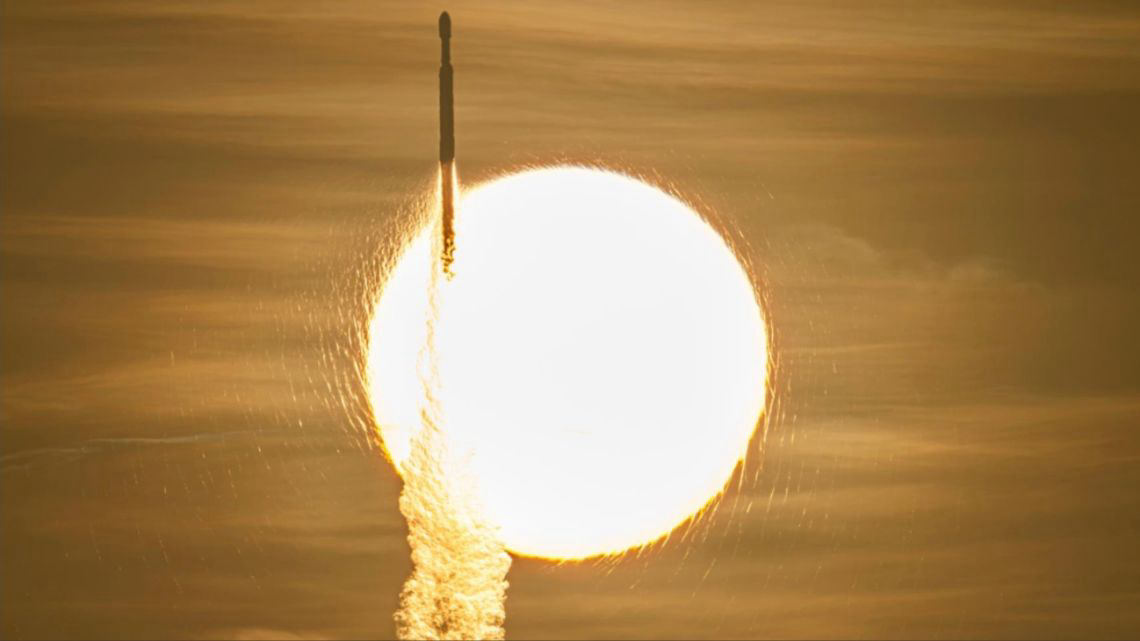
NASA sent the Nancy Grace Roman Space Telescope into orbit last Sunday from Kennedy Space Center at Cape Canaveral, riding SpaceX's Falcon Heavy rocket on a mission to map the cosmos and probe the mysteries of dark energy.
The Falcon Heavy was chosen for its ability to haul heavy payloads — the three-core rocket, essentially three Falcon 9 boosters joined together, generates more than 5 million pounds of thrust at liftoff. Its Merlin 1D engines sit at the base of all three boosters, and a carbon fiber aerodynamic fairing protected the telescope during ascent through the atmosphere. Once the first stage completed its work, a vacuum-optimized Merlin engine on the rocket's second stage performed the precision maneuvers needed to place the telescope on its correct trajectory.
The Roman Telescope itself is a formidable instrument. Its Wide Field Instrument camera packs 300 megapixels and is paired with an advanced coronagraph spectrometer, giving it the ability to capture sky images 100 times wider than what the Hubble Space Telescope can see. Several components of the telescope were designed and built in Montreal, underscoring the international collaboration behind the mission.
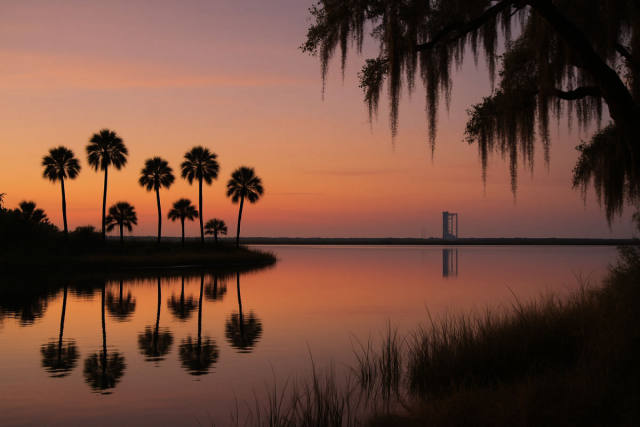
Spectators along Florida's Space Coast were treated to a dramatic sight as the Falcon Heavy lifted off and arced out over the Atlantic, following parameters set by ground control teams. It's a milestone moment for space science — and another high-profile launch for the Cape Canaveral corridor that keeps Florida at the center of humanity's push into deep space.
This story was first reported by Noticias Ambientales.