There's a reason Honeymoon Island State Park draws more than a million visitors every year — it's consistently ranked Florida's most-visited state park, and yet somehow it still feels like a real beach rather than a theme park. A genuine barrier island just off the coast of Dunedin, it offers more than four miles of Gulf shoreline, a dedicated dog beach, nature trails through rare old-growth pine forest, and a ferry dock that whisks you to one of the most pristine stretches of sand in the Southeast. Here's what you need to know before you go in 2026.
Getting There & Parking
The park sits at the western end of Causeway Boulevard (address: 1 Causeway Blvd, Dunedin, FL 34698). You'll drive roughly 2.5 miles across the scenic causeway spanning St. Joseph Sound before reaching the entrance gate. The causeway itself offers free roadside parking along its length, and plenty of visitors stop there to fish or launch kayaks — it's a worthwhile destination in its own right. Once inside the park gates, parking is included in the entrance fee, so there are no separate hourly charges to worry about. Lots are large and well-organized, though on summer weekends and holidays the park can fill to capacity, so arriving right at opening time is the best insurance against a turned-away trip.
Entrance Fees (2026)
The fee structure is straightforward and comes directly from the Florida State Parks official page:
- Vehicle (up to 8 people): $8
- Single-occupant vehicle: $4
- Pedestrians, bicyclists, and extra passengers: $2 per person
If you're a Florida resident who visits state parks more than a couple of times a year, a Florida State Parks Annual Pass pays for itself quickly and covers your vehicle entry at Honeymoon Island on every visit. Passes can be purchased online or at any park ranger station. Always verify current pricing at floridastateparks.org before you go, as fees are subject to change.
Hours
The park is open 8 a.m. until sundown, 365 days a year — including holidays. The Rotary Centennial Nature Center keeps slightly shorter hours (Wednesday through Sunday, 9 a.m. to 5 p.m.), so plan your cultural stop accordingly.
The Beaches: What to Expect Where
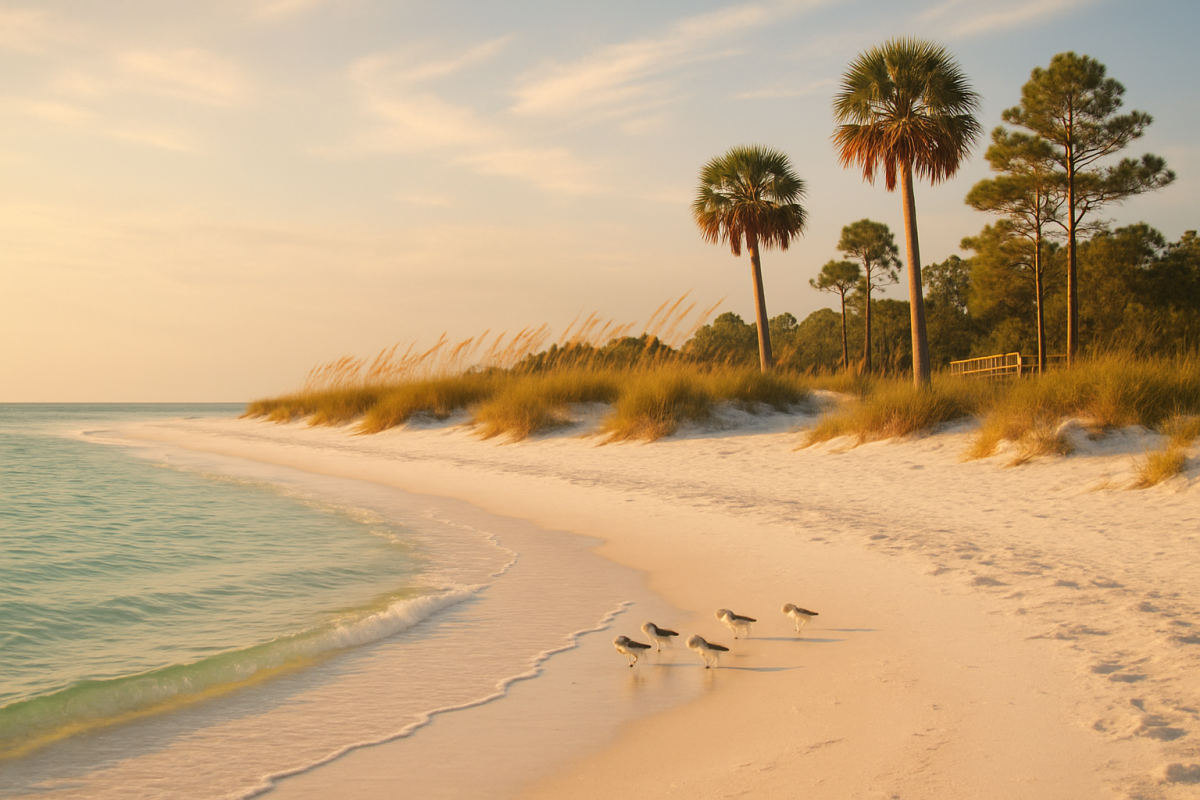
Honeymoon Island has roughly four miles of shoreline, but not all of it is alike. The Main Beach near the entrance is broad, sandy, and calm — the kind of place where you dig in an umbrella and stay all day. It has easy access to bathhouses, outdoor showers, and the park's concession areas. North Beach, reached by walking or driving toward the top of the island, is narrower and studded with shells and rocks, but the tradeoff is that the farther you walk, the fewer people you'll encounter. Surfing tends to be best out on the north end near Bathhouse 3.
One important heads-up for 2026: ongoing erosion and sand migration have separated the northernmost mile of the sandspit from the main island, creating a gap in the beach. The Florida State Parks service warns visitors to exercise a high level of caution in this area because of deep water, rapidly shifting water depth, and strong currents — do not attempt to wade or swim across it.
Shelling is a genuine highlight, particularly on North Beach at low tide. Live shelling — collecting shells with living organisms still inside — is not permitted anywhere in the park.
The Dog Beach
This is one of the features that sets Honeymoon Island apart: a designated pet beach on the southern tip of the island, near the ferry dock. Dogs are also welcome on the park's nature trails. However, leashed dogs are not allowed on Main Beach or North Beach — pet access is strictly limited to the designated areas. The rules are firm: dogs must be on a handheld leash no longer than 6 feet at all times, and retractable leashes are not permitted. Rangers do enforce the leash rule, so come prepared. Dog waste bags and disposal are the owner's responsibility. A couple of practical notes from frequent visitors: the walk from the dog beach parking area to the waterline is moderate, and mosquitoes can be a factor on the path in summer months, so pack bug spray. A clip-on bug repellent is a low-effort fix that makes a real difference on warm, still days.
The Caladesi Island Ferry
Honeymoon Island is also the departure point for the Caladesi Connection ferry, which makes it easy to combine two extraordinary parks in one day. Caladesi Island — accessible only by boat — consistently ranks among America's top beaches, and it sees far fewer visitors than Honeymoon. The ferry ride takes about 15 to 20 minutes across Hurricane Pass.
Current round-trip ferry fares are $20 for adults (age 13 and up), $10 for children ages 6 to 12, and free for children 5 and under. Each ticket allows a stay of up to four hours on the island. Ferries depart hourly year-round starting at 10 a.m., with half-hour departures added on weekends and from mid-February through Labor Day. The ferry runs daily except Thanksgiving and Christmas, weather permitting. Tickets are sold only in person at the ferry ticket office inside the park — there is no online purchase option — so early arrivals have the best luck on busy weekends. Note that pets are not allowed on the ferry, and beach carts or wagons are also prohibited (strollers and wheelchairs are fine). Your Honeymoon Island Annual Pass covers the gate fee but does not cover the separate ferry fare. Always confirm current schedules and pricing at caladesiferry.org before your visit.
Trails, Wildlife & Other Activities
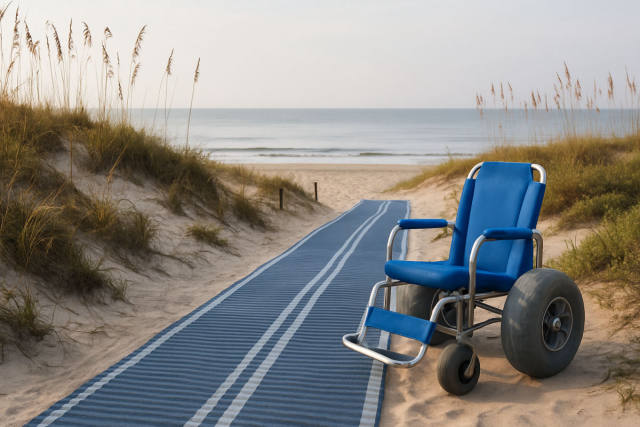
Beyond the beach, the Osprey Trail and the shorter Pelican Cove Trail connect to form roughly 2.5 miles of walking through one of Florida's last remaining virgin slash pine forests. The trails are well-marked and also open to leashed dogs. Wildlife sightings are a genuine reward here: osprey, bald eagles, great horned owls, roseate spoonbills, and dozens of shorebird species nest in or migrate through the park. Gopher tortoises wander the picnic areas, and dolphin pods frequently cruise just offshore. Loggerhead sea turtles nest on the beach from May through October — keep an eye out for the wooden stakes and cages placed over active nests. The park also has a playground, rentable picnic pavilions, bicycle rentals through Wheel Fun Rentals, and chair and umbrella rentals on a first-come, first-served basis. Free beach wheelchairs are available for visitors who need them — inquire at the ranger station.
Alcohol is prohibited on the beach and in general park areas, but Café Honeymoon serves beer and wine, and the South Beach Pavilion also has food and drinks. If Florida heat is a concern — and in summer, it always is — a cooling towel tucked in your bag can make the midday hours far more comfortable.
Quick Tips Before You Go
- Arrive at 8 a.m. on summer weekends — the park can reach vehicle capacity before mid-morning.
- Dog beach visitors: plan for a moderate walk from parking to the waterline, and bring your own water and a leash no longer than 6 feet.
- Ferry riders: buy tickets in person, aim for an early departure, and confirm the last return time before you settle into your beach spot on Caladesi.
- North Beach sandspit: heed the posted warnings and do not attempt to cross the erosion-created cut in the beach.
- Frequent visitors: a Florida State Parks Annual Pass pays for itself fast and covers the gate fee on every trip.
Honeymoon Island is the rare park that genuinely delivers on its reputation — wide Gulf beaches, serious wildlife, pet-friendly access, and a natural atmosphere that somehow persists despite the crowds. Come early, stay hydrated, and let the sundown drive you out.