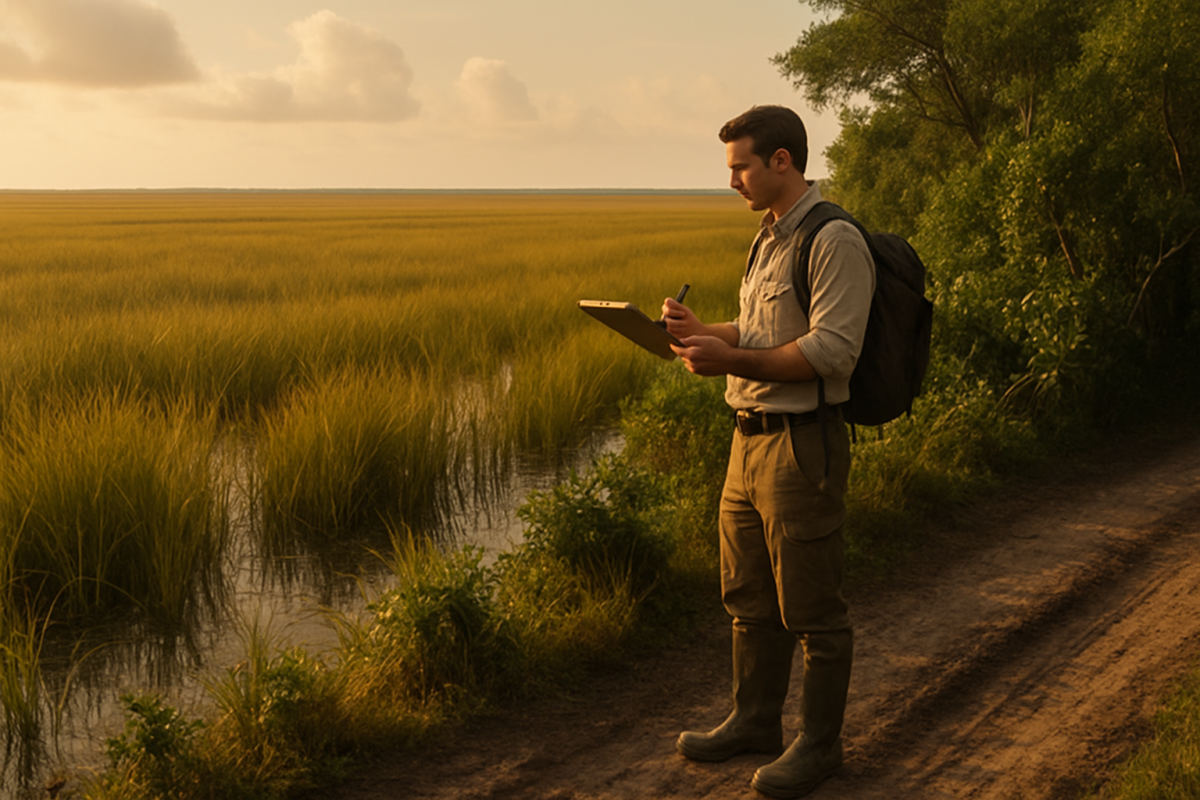
Hunting Burmese pythons in Florida isn't just a wild side hustle — it's a structured, paid profession overseen by the Florida Fish and Wildlife Conservation Commission. The FWC launched its Python Action Team Removing Invasive Constrictors (PATRIC) program in spring 2017, and contracted hunters have been earning bi-weekly paychecks ever since for helping tackle one of the Everglades' most stubborn ecological crises.
The pay structure has several layers. Contractors earn between $14 and $30 per hour for conducting surveys, depending on location, and $20 per hour for rapid-response callouts — plus additional payment if a python is actually removed during that response. For every python pulled out measuring up to four feet, hunters receive $50, with an extra $25 tacked on for each additional foot beyond that. A big snake can add up quickly.
Nest removals come with their own incentive: $200 per active python nest, with further compensation per egg removed. The FWC also offers monthly bonus payouts, including prizes for the hunter who removes the most pythons and for the longest snake captured that month. Recent monthly competitions run by the South Florida Water Management District have awarded $600 to $1,000 to top performers.
The financial stakes reflect just how serious the invasion has become. Conservative USGS estimates place the Burmese python population in the Everglades region in the tens of thousands, though the snakes' natural camouflage and secretive habits make a precise count nearly impossible. What experts do know is that pythons are consuming native wildlife — from rabbits to fully grown deer — at a scale that is reshaping the Everglades ecosystem in ways never seen before.
Surveys can be conducted on foot, by bicycle, vehicle, or watercraft across public conservation lands, and hunters must check in through an official FWC-approved app to verify location and duration before any effort counts as official. This story is based on reporting by Yahoo News, citing information from the FWC and the South Florida Water Management District.