More than 5,500 volunteers helped identify wildlife photographed by remote cameras across 14 Wildlife Management Areas in Florida’s Everglades region during the first year of Everglades Wildlife Watch.
Participants reviewed more than 100,000 photographs through the online project and made over 1 million classifications, according to the project results reported by Zooniverse. The work identified 43 wildlife species and contributed to monitoring and research efforts across the management areas.
At Dinner Island Ranch Wildlife Management Area, volunteers processed images from a mammal survey that staff had been unable to review after the project began in 2023. The classifications saved staff at least 100 hours, helped confirm 16 mammal species and 27 species overall at the site, and flagged images of a juvenile Audubon’s crested caracara, a federally threatened species.
The caracara photographs helped staff bridge a gap between breeding-territory survey years and estimate which territories at the property may have been active that year.
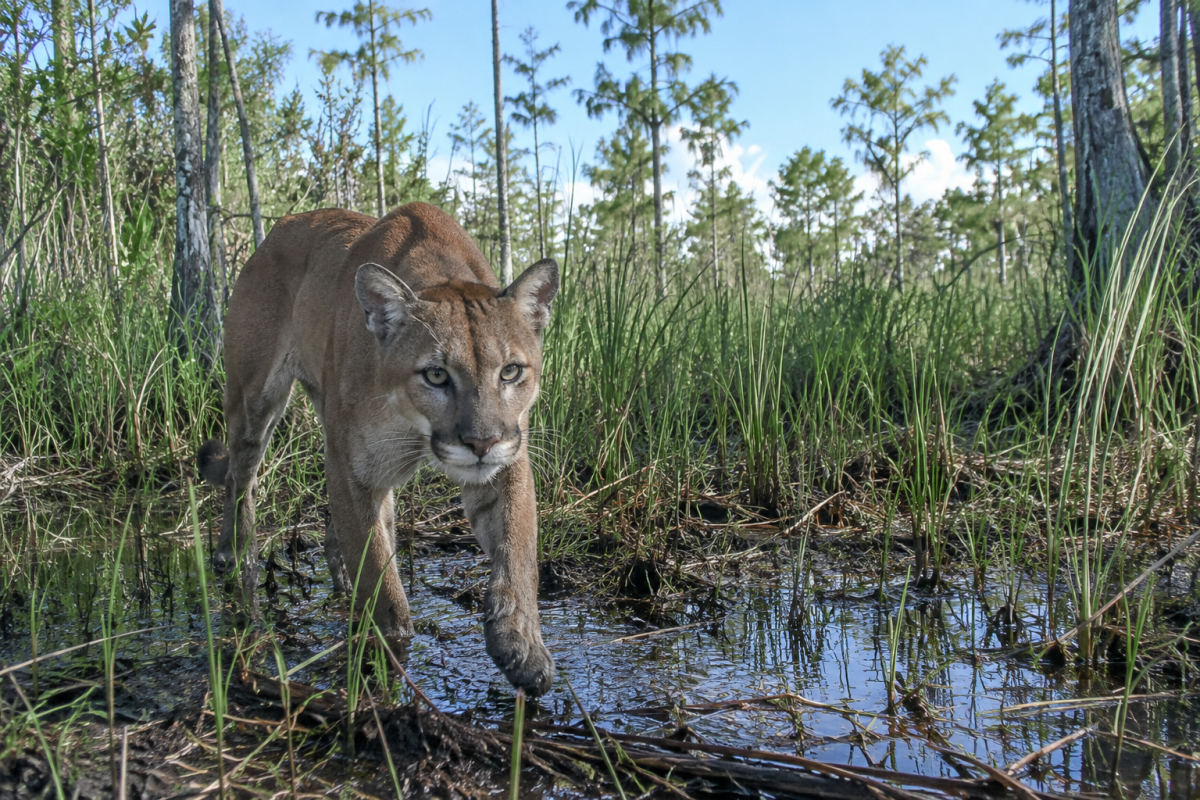
The image classifications are also supporting monitoring of feline leukomyelopathy in Florida panthers and bobcats. The project team said no cases have been identified through Everglades Wildlife Watch so far, but the data is helping biologists follow the animals’ range expansion, reproduction and overall health.
During high-water conditions in autumn 2024, staff placed cameras on tree islands and other ground above water to assess terrestrial wildlife, including deer, seeking dry space. Volunteers processed the images quickly, providing information used to consider whether management areas should remain closed and when they could safely reopen to the public.