Florida is home to two native mammals whose established U.S. ranges are confined to the state: the Florida bonneted bat and the Florida mouse, according to a review of wildlife data by Outforia’s Atlas.
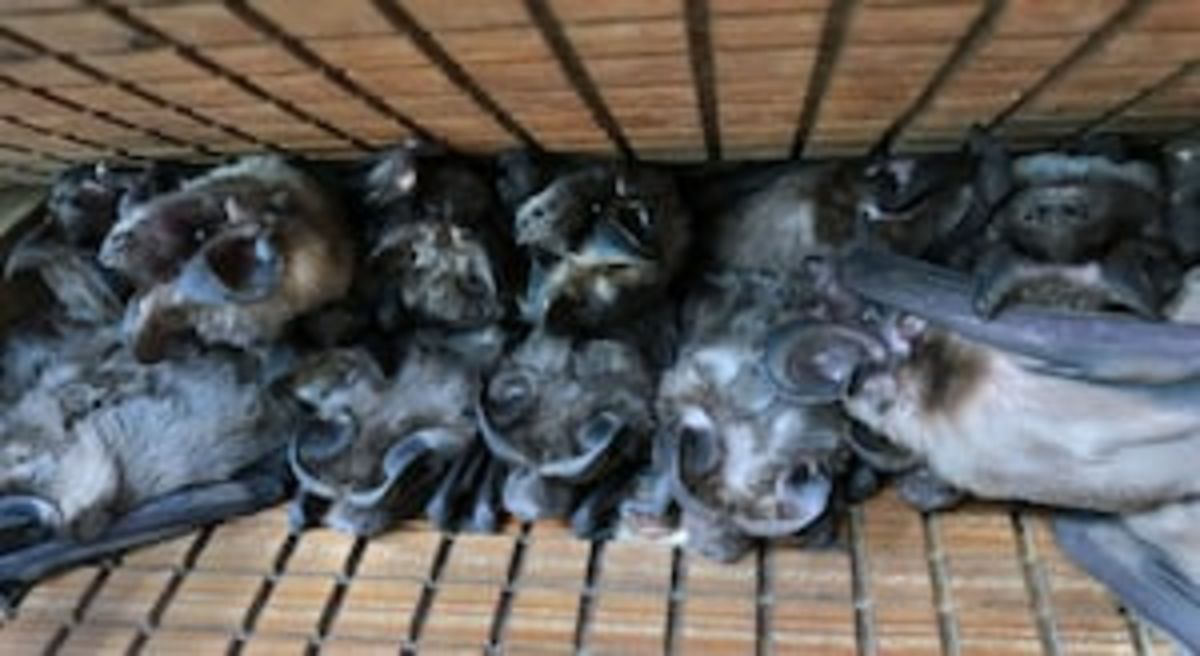
The Florida bonneted bat lives only in southern Florida and is the state’s largest bat, measuring about 5 to 6.5 inches long, according to the U.S. Fish and Wildlife Service. It is federally listed as endangered, with habitat loss, development, pesticide use, severe weather and a small population among the threats it faces.
The International Union for Conservation of Nature classifies the bat as vulnerable, a separate conservation designation that should not be treated as interchangeable with its federal endangered listing.
Florida mice occur in dry, sandy habitats across much of the peninsula, including scrub, sandhill and scrubby flatwoods. They often build nesting tunnels in gopher tortoise burrows, which can shelter them from fire, severe weather and predators.
The Florida Fish and Wildlife Conservation Commission removed the Florida mouse from the state threatened species list in 2017, but the species remains protected from capture or possession and is included in Florida’s Imperiled Species Management Plan. Habitat loss and declining gopher tortoise populations continue to pose threats.
People who encounter either animal should keep their distance and avoid disturbing animals, nests or burrows. Gopher tortoises and their burrows are protected under Florida law.