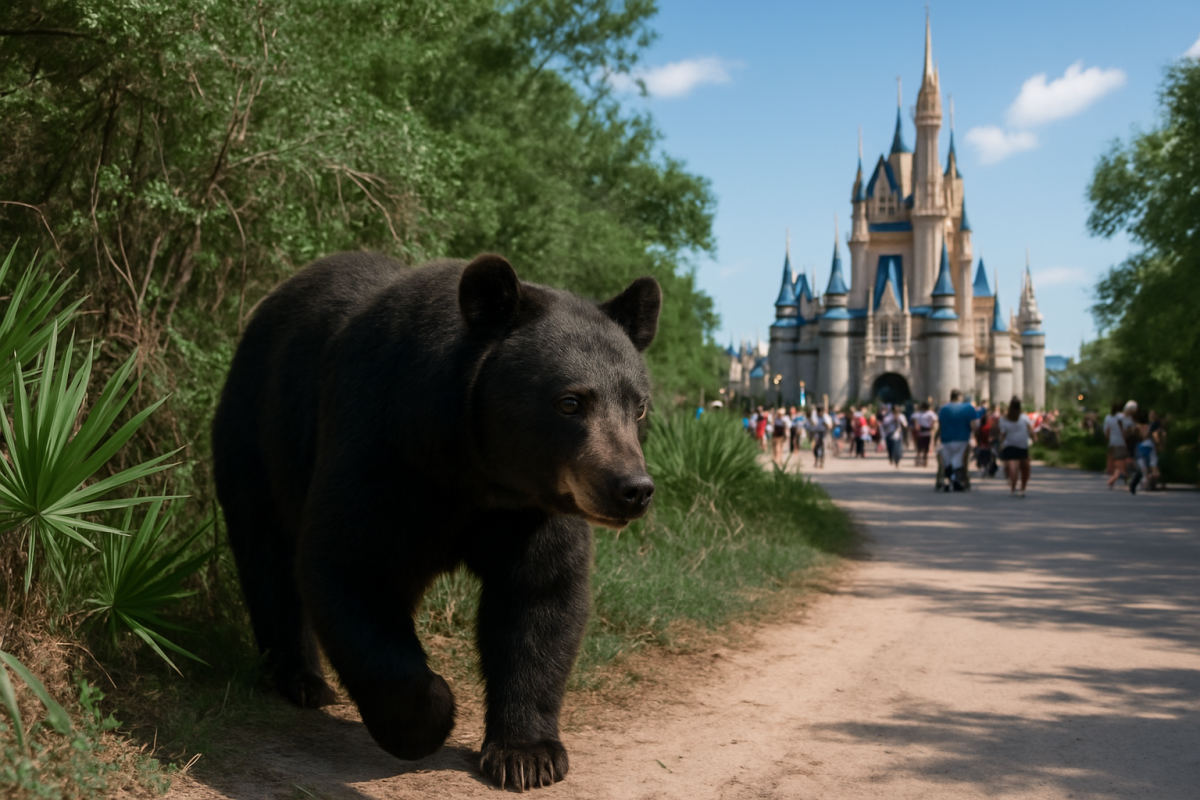
Florida black bears do not typically disappear for an entire winter the way bears in colder climates can. Instead, they may become lethargic, spend time in dens or enter short periods of torpor as temperatures cool, according to the Florida Fish and Wildlife Conservation Commission.
That slowdown can begin in December, depending on the weather. Some bears may sleep in a den for a few weeks during the coldest part of the year, while others may enter involuntary torpor lasting only a few hours. Pregnant females den in protected places while giving birth and caring for cubs.
Florida bears generally do not sleep as deeply or as long as bears farther north, and the FWC says they are more likely to wake and leave when disturbed. Still, a frightened or cornered bear can injure people, particularly a female protecting a den or cubs.
If you encounter a bear den and the bear does not move away, the FWC advises remaining upright, speaking in a calm and assertive voice, and backing away slowly toward a secure area. Leave the animal an escape route, and stop moving if backing away appears to irritate it.
The agency advises against approaching or surprising a bear, making abrupt movements, running, playing dead, climbing a tree or making direct eye contact. Bears can den in dense ground thickets, tree cavities, and beneath fallen trees or logs.
Homeowners can help limit bear encounters by securing garbage in a sturdy garage or shed until pickup morning, using bear-resistant containers where available, bringing pet food indoors, removing wildlife feeders and picking up ripe or fallen fruit. The FWC also recommends cleaning grills and smokers after use and protecting gardens, beehives, compost and livestock with electric fencing. Florida law prohibits intentionally feeding bears or leaving food or garbage that attracts them.