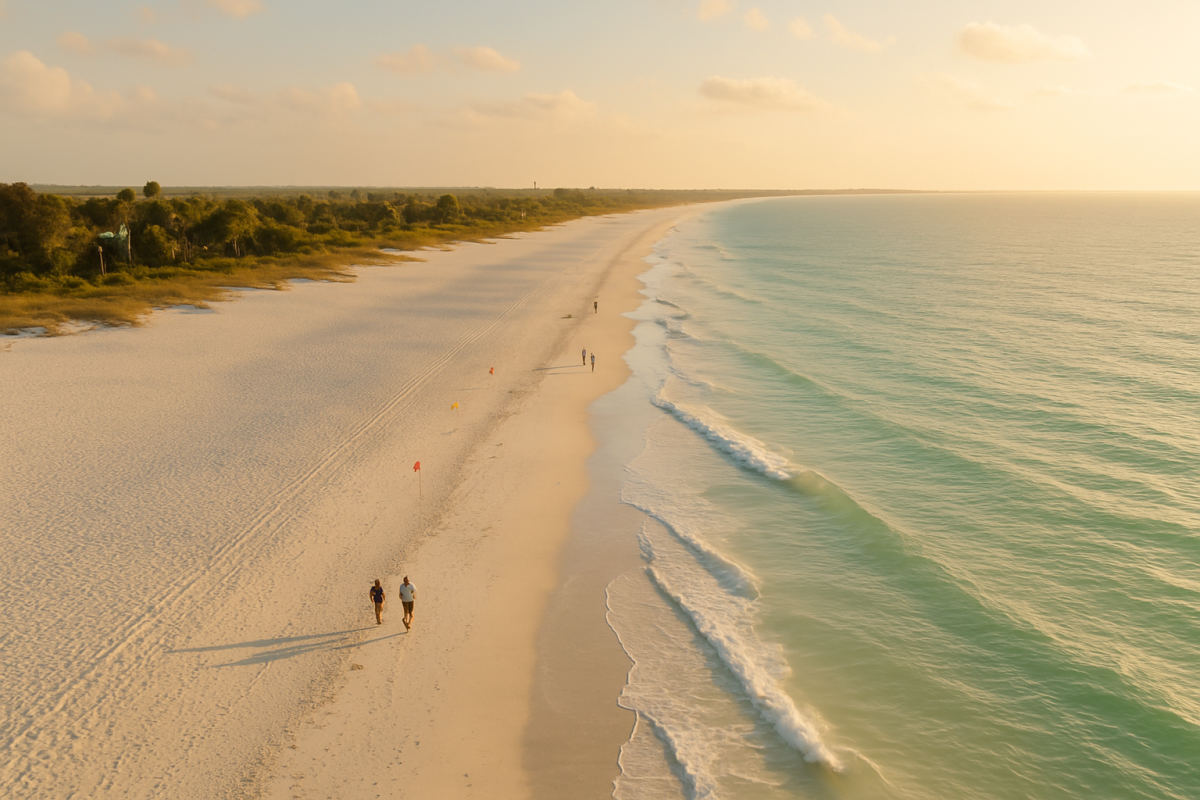
Beach renourishment is a familiar sight along Florida's Gulf Coast — crews hauling in massive loads of sand to rebuild shorelines worn down by erosion and storm surge. But a researcher is raising a pointed question: could those same projects be making the water more dangerous?
Dr. John Fletemeyer of the International Water Safety Alliance says the steep beach profiles left behind after renourishment can accelerate the return flow of water rushing back off the shore. That fast-moving backwash, he argues, is a recipe for rip currents — and his research points to a spike in rip current-related drowning deaths following renourishment projects at locations including Fort Myers Beach.
Not everyone in the scientific community is ready to draw a direct line, however. Professor Christopher Daly, a rip current specialist at Florida Gulf Coast University's Water School, acknowledges a possible correlation but cautions that rip currents are heavily driven by wave conditions, which vary widely depending on storm activity and seasonal factors. He noted that 2024's busy hurricane season made coastline comparisons especially complicated.
The U.S. Army Corps of Engineers, which oversees many of these projects, said it has found no evidence that current engineering practices or safety protocols need to change — though it did acknowledge the relationship between beach nourishment, coastal shape, and rip current formation deserves ongoing scientific attention. There is also a dispute over communication: the Corps says researchers never submitted their findings formally, while Fletemeyer says he did and received no reply.
For beachgoers, the takeaway is a familiar one: always check rip current forecasts before entering the water, and know how to respond if caught in one — swim parallel to shore, not against the current. This story was originally reported by Gulf Coast News Now.