More than 5,500 online volunteers have helped the Florida Fish and Wildlife Conservation Commission review wildlife-camera images through Everglades Wildlife Watch, a Zooniverse citizen-science project.
Zooniverse reports that volunteers classified more than 100,000 photos, producing more than 1 million individual classifications because multiple people typically reviewed each image. The effort documented 43 wildlife species across 14 Wildlife Management Areas.
Camera traps can generate far more images than biologists have time to sort. At Dinner Island Ranch Wildlife Management Area, where FWC began a large wildlife survey in 2023, volunteer assistance saved at least 100 hours of review work, according to Zooniverse. That project identified 16 mammal species and 27 species overall.
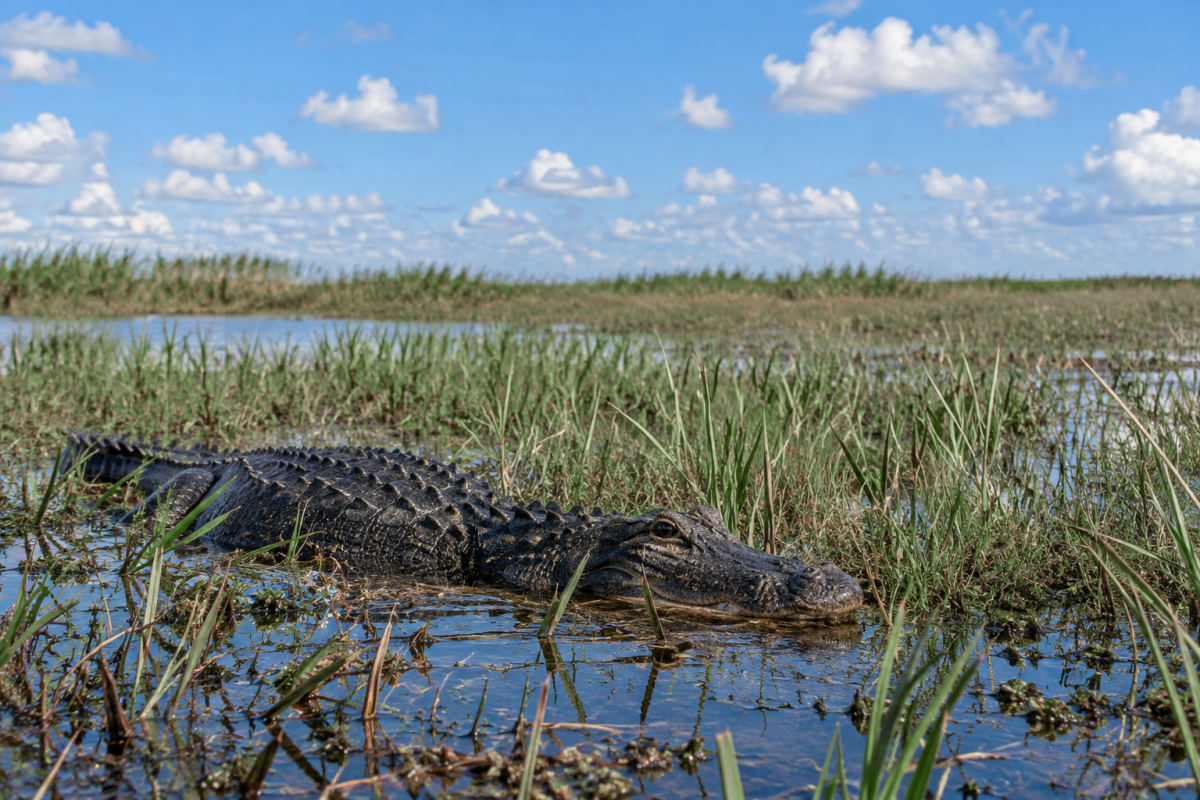
Another camera effort in the Everglades and Francis S. Taylor area used eight cameras in an attempt to detect Everglades minks. The chicken-wing bait and squeaky rodent sound did not draw any minks, but the cameras captured more than 26,000 images over two months and recorded 32 species. The images included alligators investigating the bait, feral pigs digging and a night heron with an amphiuma, an eel-like salamander.
The photos have also supported practical management decisions. During high water in fall 2024, deer moved onto levees and tree islands; volunteers reviewed weekly camera images to help the team determine when those areas could safely reopen to the public.
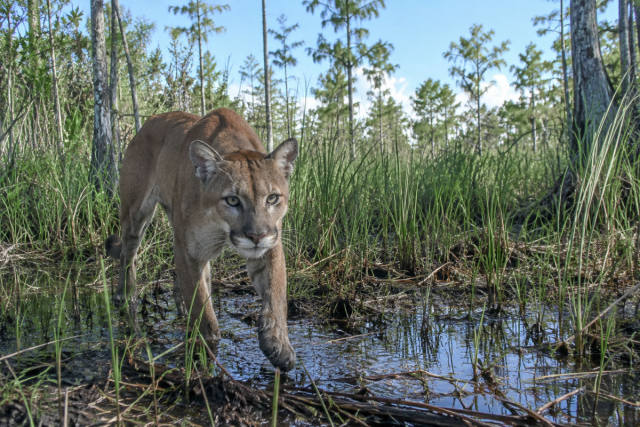
Trail-camera footage is also being reviewed for possible signs of feline leukomyelopathy in Florida panthers and bobcats. The disease was first identified near Corkscrew Swamp in Collier County in 2018. Videos of the two cats are sent to FWC panther biologists and veterinarians; no new cases had appeared in the footage reviewed so far, according to the source material.
Everglades Wildlife Watch currently shows no images available for classification. Zooniverse says additional material is expected at the start of December 2026.