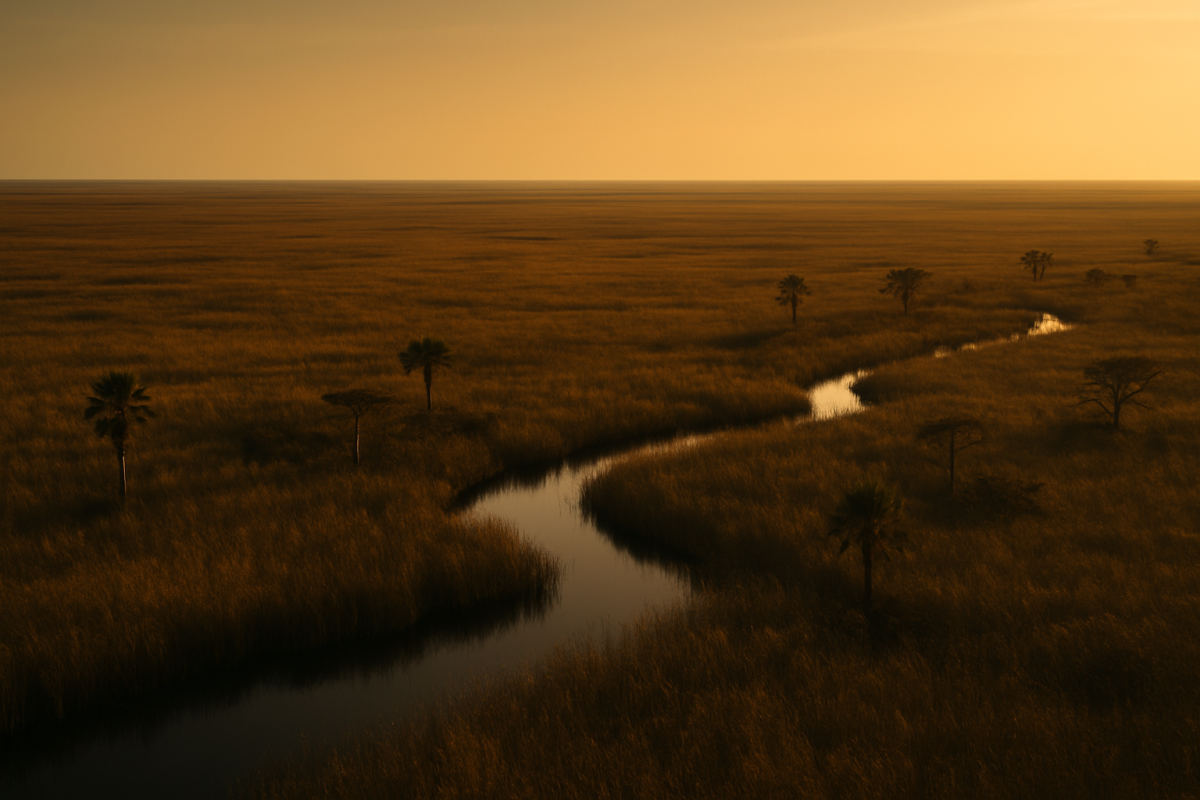
Burmese pythons have long been a fixture of the Florida Everglades, but wildlife officials say the invasive snakes are now firmly established well beyond their historical stronghold. The Florida Fish and Wildlife Conservation Commission (FWC) considers the species established across a wide swath of South Florida — from just south of Lake Okeechobee down to Key Largo, and from western Broward County west to Collier County. Now, a spokesperson confirmed to ABC News that a new satellite population has taken hold in western Charlotte County, putting the snakes noticeably farther north, in the area between Naples and Fort Myers.
Because pythons tend to stay hidden, it often takes time to gather enough evidence to officially confirm a new area of establishment, the FWC notes. Adults have virtually no natural predators in Florida and regularly prey on native wildlife, including threatened and endangered species. Most captured pythons in the state measure between six and ten feet, though they can exceed twenty feet. They're typically tan with dark, puzzle-piece-shaped blotches along their backs — a pattern that can resemble giraffe markings — along with distinctive dark wedges on their heads.
Florida has two professional removal programs working side by side to address the problem. The FWC's Python Action Team Removing Invasive Constrictors (PATRIC) and the South Florida Water Management District's Python Elimination Program both compensate qualified contractors with experience handling large constrictors. The work is demanding — most contractors remove more than 30 pythons per year, according to PATRIC's application materials. Pay through the water district's program ranges from $14 to $30 per hour depending on the search area, with up to ten billable hours per day.
The combined effort has made a significant dent: as of April 2025, more than 23,500 pythons had been removed from natural areas across Florida, with over 11,000 of those taken by PATRIC and the Python Elimination Program contractors since the programs launched. Officials encourage hunters, anglers, and other outdoor recreationists with relevant experience to consider applying.
This report is based on coverage by Sarah Perkel for the USA TODAY Network.