Apalachicola Bay's long-struggling oyster fishery is showing real signs of recovery, and Florida wildlife officials are telling their staff to keep doing what they're doing. At a Florida Fish and Wildlife Conservation Commission meeting in Panama City Beach this week, Chairman Rodney Barreto and Commissioner Joshua Kellam both praised the restoration program, with Kellam calling the past year's work "a huge success" after the bay had been closed to harvesting since 2020.
The comeback story here is a steep one. Apalachicola Bay once supplied more than 90 percent of Florida's oysters and roughly 10 percent of the national supply, but decades of damage — from reef material being removed for road construction, hurricanes, disease, and poor water quality — shrank the oyster reef from 2,000 acres to less than 100 acres. The fishery collapsed entirely in 2013. A limited two-month harvest season, spread across four reefs, only restarted at the beginning of this year.
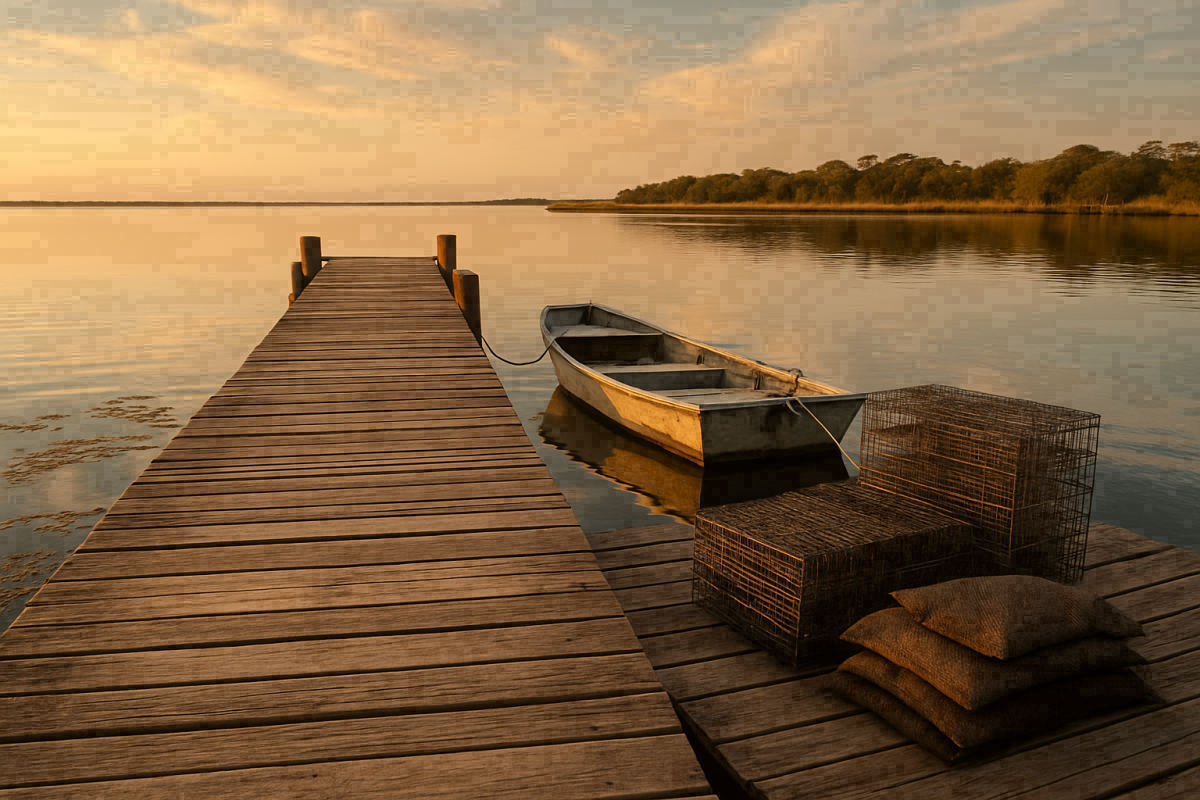
The upcoming season, running October 1 through February 28, 2027, will look a bit different from the last one. One of the four reefs that opened this past winter — known as the East Hole — didn't meet its anticipated harvest threshold, so it will be closed for the coming season. As a result, the number of bags distributed for oyster collection will drop from 4,726 to 2,560, split between commercial and recreational harvesters.
Funding for the effort remains substantial. The state's 2026–2027 budget includes $15 million for oyster reef restoration statewide, with $11 million of that directed specifically to Apalachicola Bay. Charter fishing captain TJ Saunders, who attended the commission meeting, expressed hope that future restoration work would expand west of the St. George Island Bridge — an area he said represents significant untapped habitat that hasn't yet been part of the program.
This report is based on coverage from WUSF and the News Service of Florida.