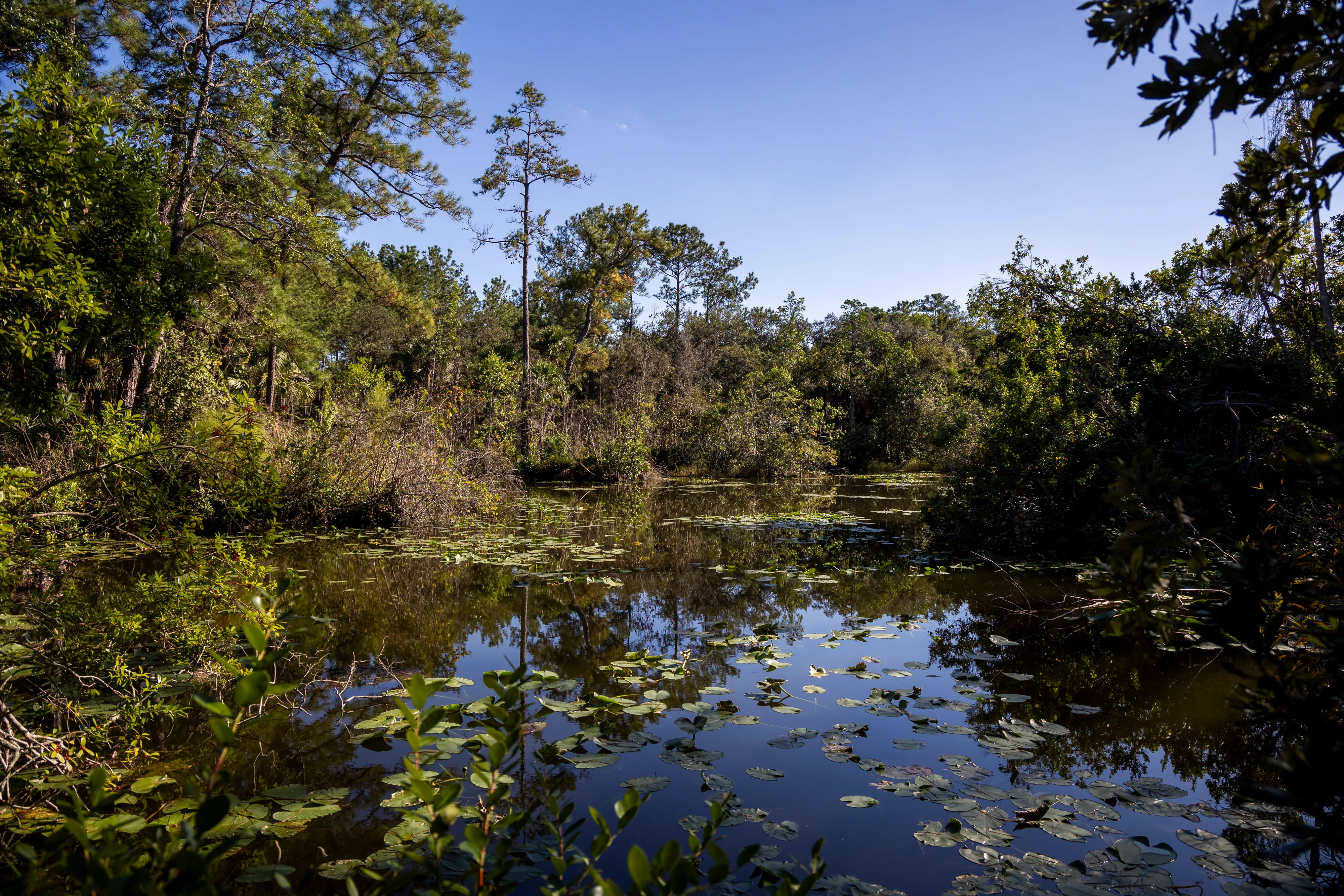
Planning a spontaneous dip at a Florida spring or a quick bike ride through a state park? You may need to book an appointment first — and not everyone thinks that's a good thing. Several of Florida's most popular parks, including Wekiwa Springs State Park in Seminole County, now require day-use reservations for all visitors, even those who hold annual passes. Blue Spring State Park joined the system on July 15, with Rainbow Springs and Henderson Beach also operating under mandatory reservation rules.
In a guest commentary published by the Orlando Sentinel, Orlando trial attorney Jeffrey T. Donner argues the policy has turned a simple afternoon outdoors into a bureaucratic hurdle. He points out that the traditional first-come, first-served model — pausing entry when a parking lot fills and resuming when a spot opens — responds to real conditions on the ground, while reservation systems respond only to predictions. Held reservations can leave parking spaces sitting empty while a government website tells would-be visitors the park is full.
Donner reserves particular criticism for applying the system equally to every visitor regardless of how they arrive. A cyclist who rides 20 miles to a park entrance, he notes, occupies no parking space and creates no traffic — yet at Blue Spring, that person still needs a digital reservation, even if it costs nothing. Requiring advance permission from a pedestrian or bicyclist, he argues, is administrative convenience dressed up as conservation.
He also raises concerns about accountability. No-show reservations are nonrefundable even though the state provided no service, and the small dollar amounts involved mean many visitors won't bother pursuing a refund — while the unused slot may have blocked another family from entering. Donner calls on Florida to publish data on reservations issued, actual check-ins, no-shows, and parking utilization so the public can judge whether the system genuinely improves access or simply makes attendance more predictable for administrators.
His proposed alternative keeps optional reservations for visitors who want certainty, but restores meaningful walk-up capacity, provides live parking information online, and releases unused reservations promptly so others can fill them. Florida's constitution, he argues, recognizes that natural resources are held in trust for all residents — and that relationship puts the burden on government to demonstrate a real problem before restricting access. This commentary originally appeared in the Orlando Sentinel.