Florida wildlife officials are asking hunters to report suspected New World screwworm infestations in deer and other game as the invasive blowfly continues its northward spread through Mexico and has expanded into Texas, New Mexico and Arizona.
The Florida Fish and Wildlife Conservation Commission said hunters should inspect recently harvested animals and watch remote-camera footage for warning signs. New World screwworm larvae feed on living tissue, unlike native blowfly maggots that consume decaying flesh. The larvae can affect warm-blooded animals, including deer, birds, domestic animals and people.
Female flies lay clusters of white eggs near open wounds, including tick bites, and around the navels of newborn animals. Larvae burrow into fresh wounds, which can become thickened, draining and foul-smelling, with bloody discharge. FWC said the infestation can kill an affected animal.
On trail cameras, hunters are asked to note animals that appear lethargic, shake their heads, isolate themselves or have large draining wounds. In harvested game, officials advise checking wounds and genitalia for maggots feeding in living tissue. FWC said hunters should not confuse screwworms with nasal bots, fly larvae commonly found in the nasal sinuses of otherwise healthy deer during head removal.
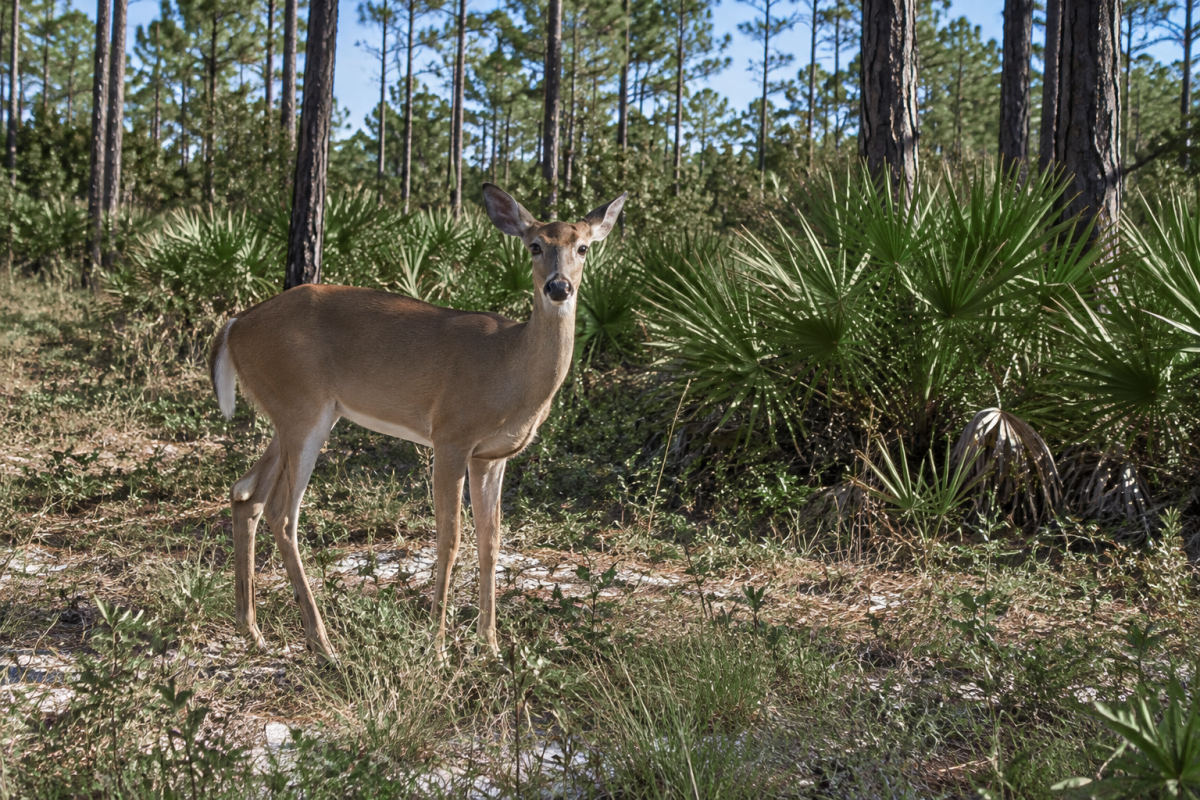
Florida has not confirmed the parasite's arrival during the current expansion. FWC said it could enter through its range expansion or through movement of infested animals or people. The United States eradicated New World screwworm in the 1960s, although Florida experienced a severe outbreak among Key deer in the Florida Keys in 2016.
If a hunter suspects screwworm in a harvested animal, FWC says not to move, field-dress or eat the carcass. Hunters should wear gloves, wash thoroughly afterward, photograph the wounds or larvae and record the exact GPS coordinates. Suspected wildlife cases can be reported through FWC's online survey portal or its sick and dead deer reporting system. Cases involving domestic animals or wildlife may also be reported to the Florida Department of Agriculture and Consumer Services online, by email at [email protected], by calling 850-410-0900 during office hours or 1-800-342-5869 after hours.