There is no sporting event in Florida quite like the Daytona 500. The noise alone — engines screaming past at close to 200 mph — is enough to rewire your brain. If you've never been, 2027 is the year to go. The 69th running of The Great American Race is scheduled for Sunday, February 21, 2027, at Daytona International Speedway in Daytona Beach. One scheduling note worth knowing: the race falls a week later than its traditional Presidents' Day weekend slot because Super Bowl LXI lands on February 14 that year, giving Daytona a clean week of undivided motorsports attention. Here's everything you need to plan a trip that runs as smoothly as a caution-free superspeedway.
Getting Your Tickets — Before They're Gone
The Daytona 500 has sold out for more than a decade straight, so early action is essential. The best route to guaranteed seats is through the official ticket office at DAYTONA500.com, where all guests — regardless of age — must hold a reserved seat. The speedway also operates a pre-sale program: fans who attended the 2026 race received exclusive early access to 2027 inventory, so signing up for the official pre-sale notification list at DaytonaInternationalSpeedway.com is wise if you're starting fresh. For first-timers who want a curated experience, On Location is the official travel package provider and offers bundles that can include premium tickets, hotel accommodations, exclusive pre-race access, and race-day transportation — all in a single package.
Ticket packages come in two main tiers. A 2-Day Package pairs your Daytona 500 grandstand seat with the Saturday NASCAR O'Reilly Auto Parts/ARCA Menards Series doubleheader. The 4-Day Package adds the Craftsman Truck Series race on Friday night and the Duel at Daytona qualifying races on Thursday. For a first visit, the 4-Day option is worth serious consideration — by Sunday you'll already know the layout, the rhythms, and which vendors have the shortest lines. Confirm current pricing directly with the speedway, as rates shift based on seat location and availability.
Choosing Your Seat
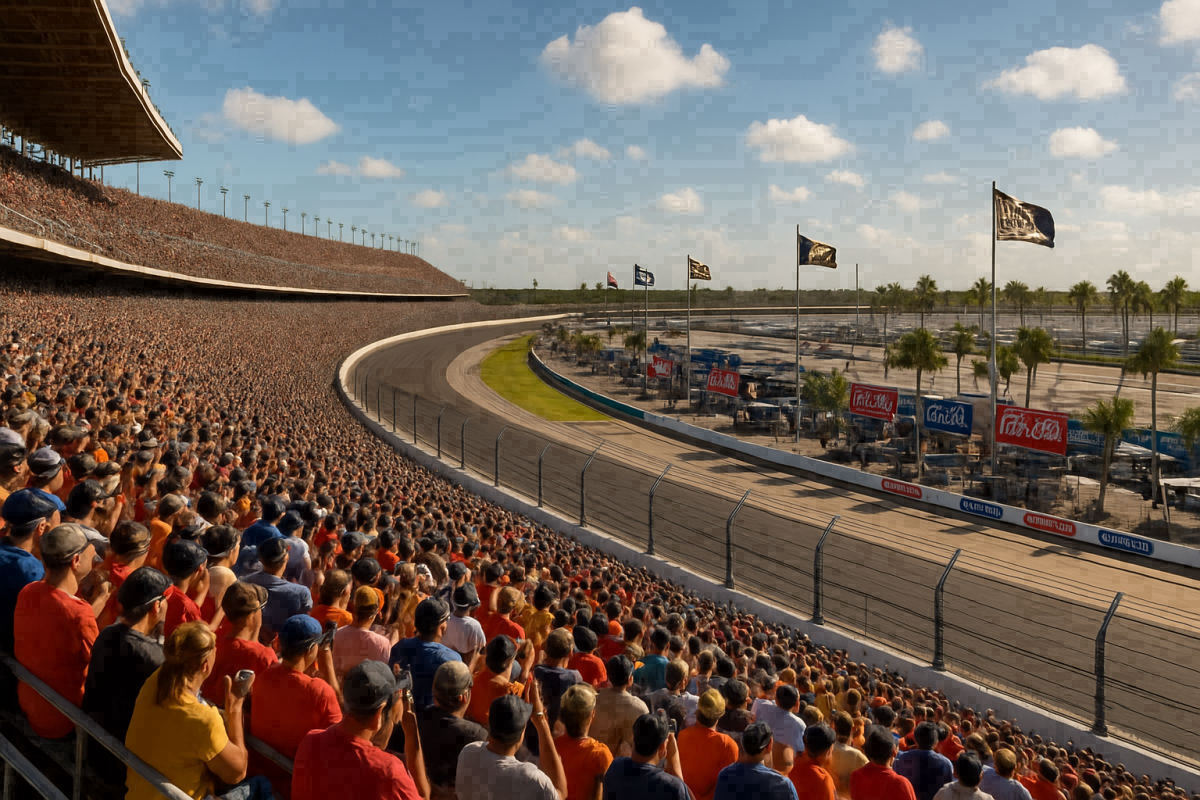
The 2.5-mile superspeedway has around 101,500 seats, so picking the right section matters. Here's a quick breakdown by experience type:
- Tri-Oval / Sections 400–450: These seats near the start/finish line put you in the heart of the drama — the green flag, pit strategy unfolding in real time, and the last-lap sprint to the checkered flag. The Trioval Club in this zone adds a dedicated open-air bar and patio overlooking the Midway, plus comfortable 21-inch reserved seating. It's the premium choice for fans who want sightlines and atmosphere in one package.
- Frontstretch Grandstands: Classic race-watching territory. You can see most of the oval and catch the full pack roaring through the banking directly in front of you. Higher rows give you a better sight line over the SAFER barrier walls — worth keeping in mind when selecting your row number.
- Budget Picks: Upper rows in the turn areas tend to come in at lower price points while still offering wide views of the track. Good binoculars help bridge any distance gap.
- Infield / Fan Zone: An infield pass gets you onto pit road for driver introductions and the electric pre-race show. The infield perspective is raw and immersive — you feel the cars more than you see the whole track — and pairing it with a grandstand seat for the race itself is a popular strategy among veterans.
- Luxury Suites: Climate-controlled rooms with catering, premium sightlines, and an escape from the February sun. Best for group outings or corporate trips where comfort is the priority.
Wheelchair-accessible seating is available in the Tri-Oval and turn sections with companion seating. Check with the speedway's guest services team when purchasing for current ADA details.
The Full Speedweeks Schedule
Speedweeks Presented by AdventHealth is the official name for the entire week of racing that culminates in the 500. For 2027, the confirmed schedule runs as follows:
- Wednesday, Feb. 17: NASCAR Cup Series practice and DAYTONA 500 Qualifying Presented by Busch Light — where drivers duel for the two coveted front-row starting spots.
- Thursday, Feb. 18: The Duel at Daytona — two 150-mile qualifying races that shape the rest of the starting grid. These races are genuinely thrilling; every position matters, and the drafting battles are easy to follow even for first-timers.
- Friday, Feb. 19: NASCAR Craftsman Truck Series race under the lights — a terrific night-racing atmosphere and a more intimate crowd than Sunday.
- Saturday, Feb. 20: The ARCA Menards Series season opener and the NASCAR O'Reilly Auto Parts Series race — a full day of on-track action before the main event.
- Sunday, Feb. 21: The DAYTONA 500. Green flag drops at approximately 2:30 p.m. Eastern Time, following pre-race ceremonies, driver introductions, and the national anthem.
Also penciled into the Speedweeks calendar: a one-year revival of The Clash at Daytona on Saturday night, February 13 — a week before qualifying — so check the official event calendar at DaytonaInternationalSpeedway.com for the complete lineup, as details can shift closer to race week.
Parking & Getting There
Parking near the track is available for purchase directly through the speedway — and buying in advance is strongly recommended, as lots close to the action fill up fast. Plan to arrive well before 8 a.m. on race day if you want a spot near the gates without a long walk. The speedway's official parking and transportation page has event-specific maps, so download those before you leave home. If you'd rather skip the parking calculus entirely, the official travel packages include race-day motor coach transfers, and several nearby hotels are within easy walking distance of the gates.
Where to Stay
Hotels within a mile or two of the speedway — including options directly across the street at ONE DAYTONA — typically sell out six to twelve months before race weekend, so book the moment you lock in your tickets. Properties right on Daytona Beach are roughly ten to fifteen minutes away by car and tend to offer better rates and livelier off-track evenings, which can be a smart trade-off. Look for flexible cancellation policies when you book; race weekends occasionally shift, and a refundable rate is worth the small premium. Ormond Beach, just north of Daytona, is another underrated base with a quieter vibe and easy highway access to the track.
What to Pack
February in Daytona Beach is mild — daytime highs typically run between 60°F and 75°F — but conditions can swing, so layer up and toss a rain poncho in your bag. A few essentials no first-timer should skip:
- Ear protection. Engines near the frontstretch can hit 120–140 decibels, on par with a jet takeoff. Bring quality earplugs for adults and over-ear protection for children — it's non-negotiable with kids.
- A portable power bank. You'll spend the day running the NASCAR app, texting your group, and shooting video. Dead phones are a race-day nightmare.
- Sunscreen. Even in February, several hours in open grandstands adds up fast.
- A small soft-sided cooler. The speedway permits fans to bring in food and drinks in original, sealed packaging. Packing your own snacks trims concession line time and keeps costs down.
- A cooling towel. Useful on a warm afternoon when you're sitting in direct sun between cautions.
- A scanner or headset rental. Picking up team radio chatter transforms the race — suddenly every pit call and strategy swap makes sense. Rentals are typically available at the track.
Finally, download both the NASCAR app and the Daytona International Speedway app before you arrive. They carry live timing, driver standings, track maps, and real-time traffic updates for the post-race exit — the one moment every Daytona veteran dreads slightly more than a rain delay. Build in patience, have a plan for where your group meets up if you get separated, and soak in every lap. There is genuinely nothing else like it in Florida — or anywhere.